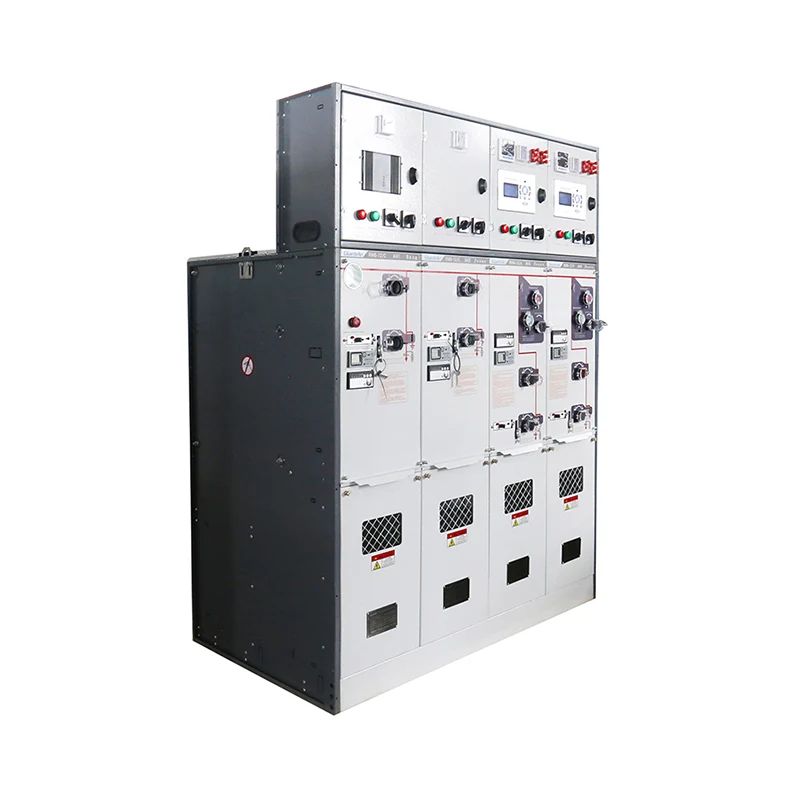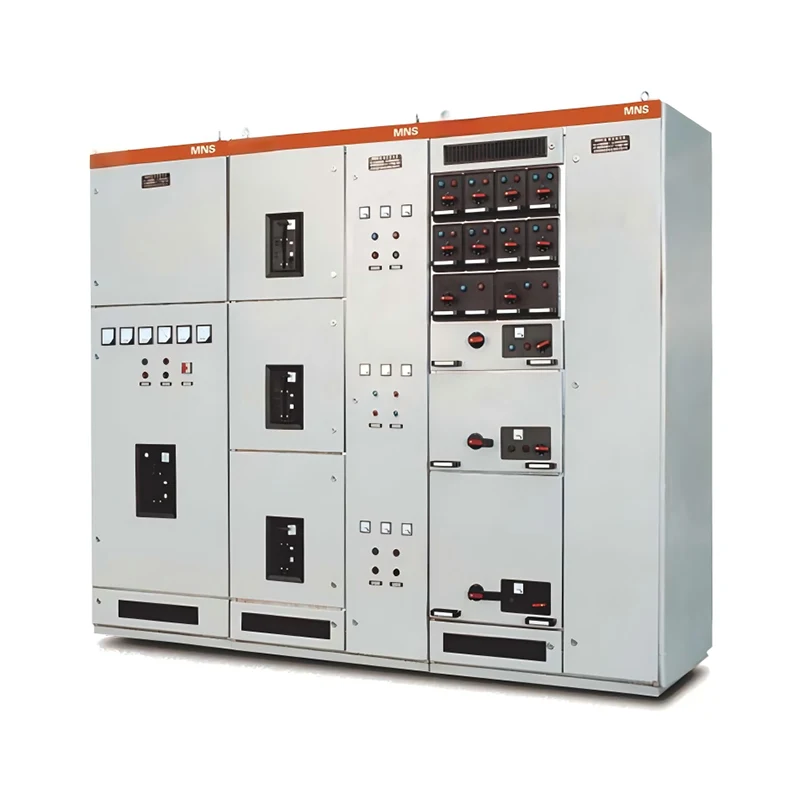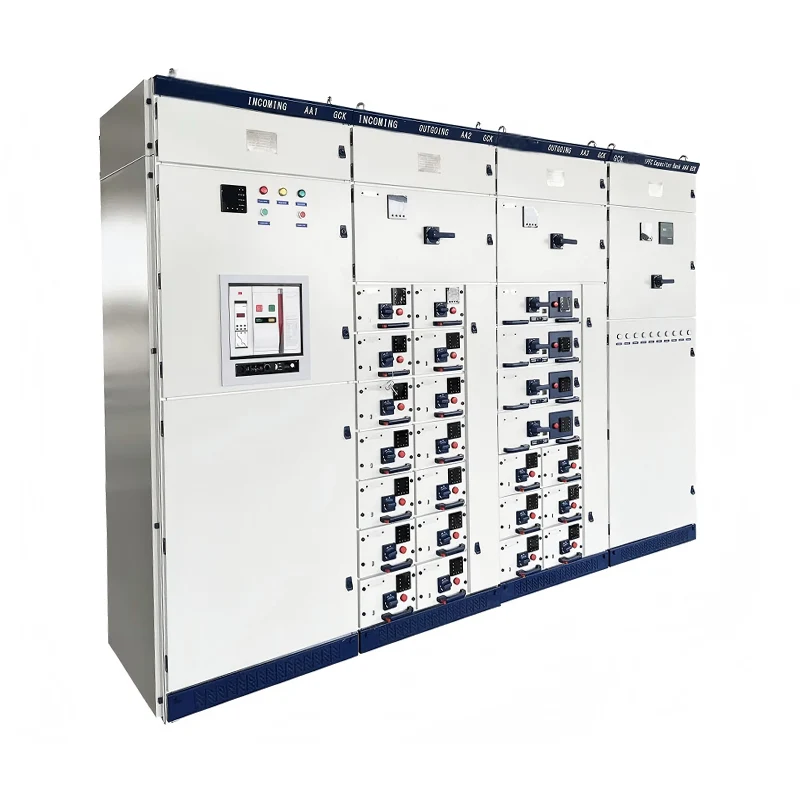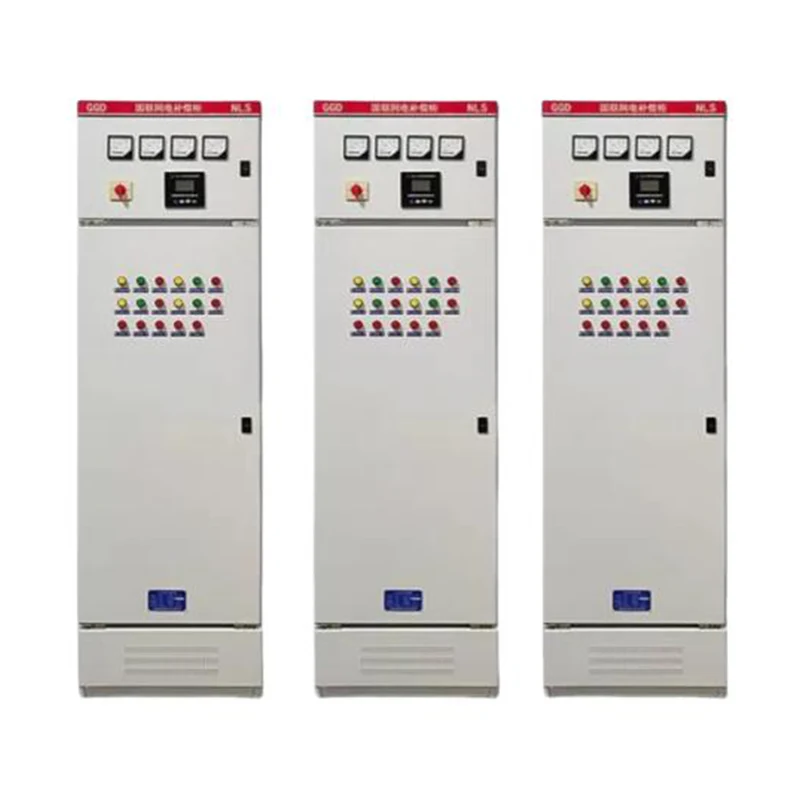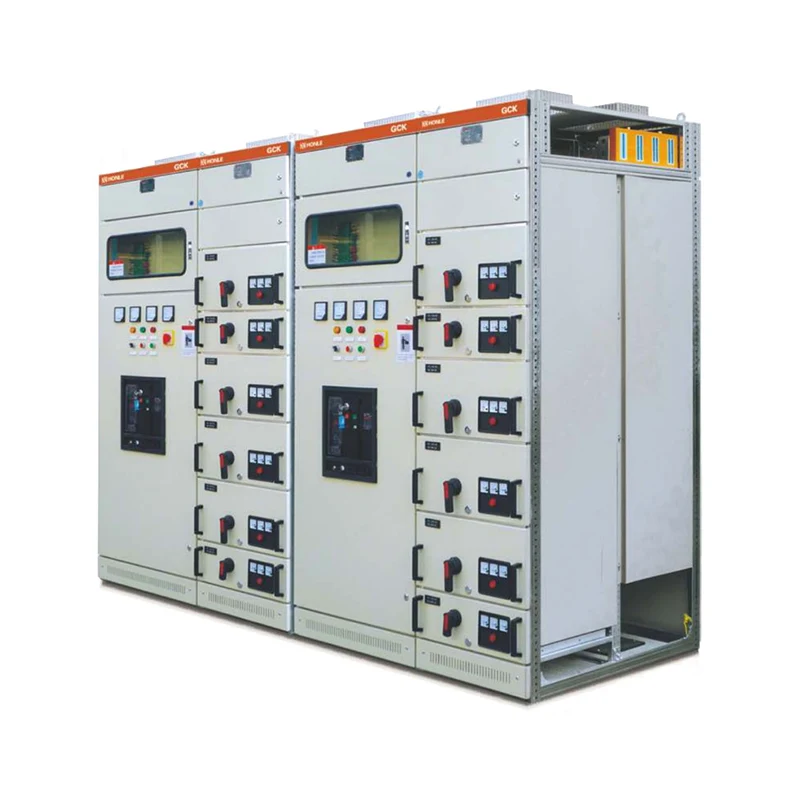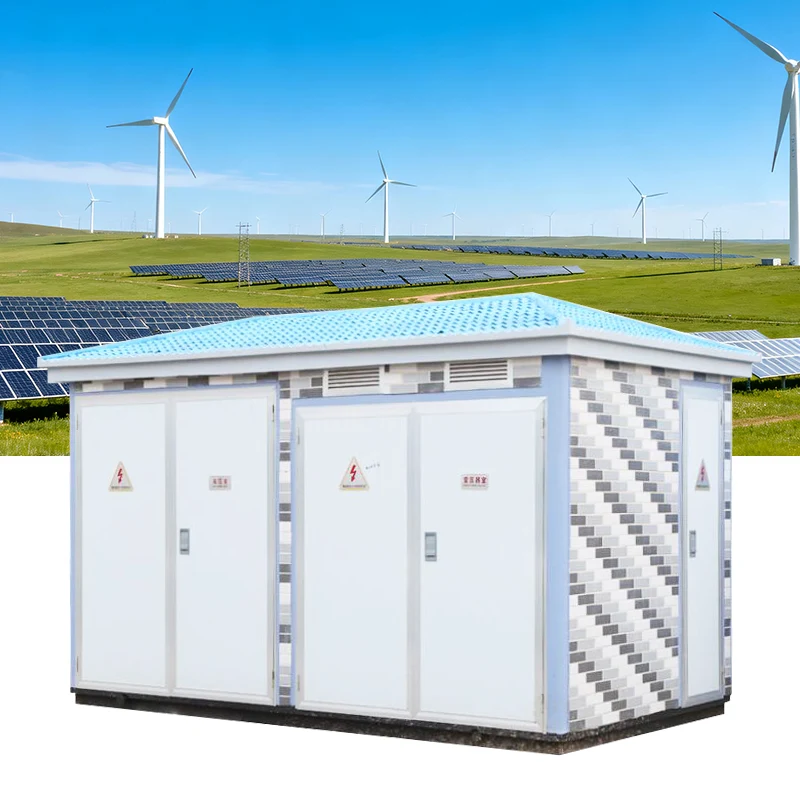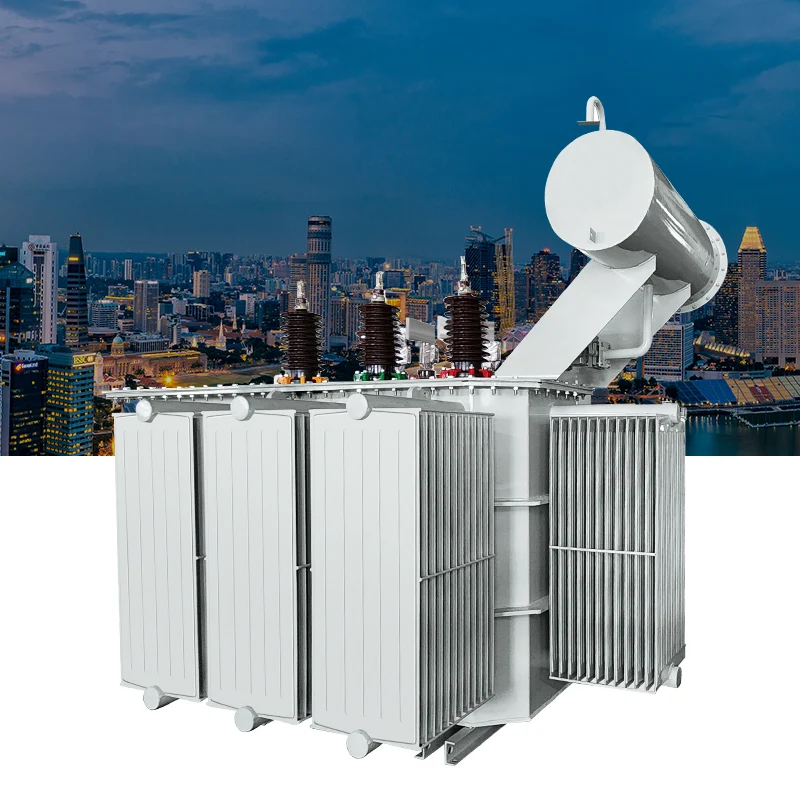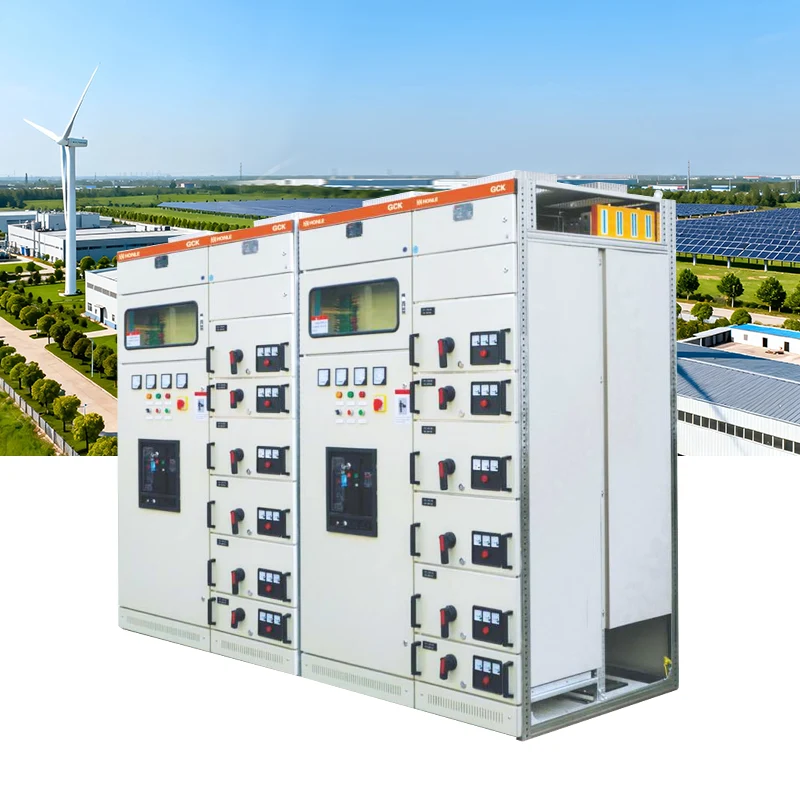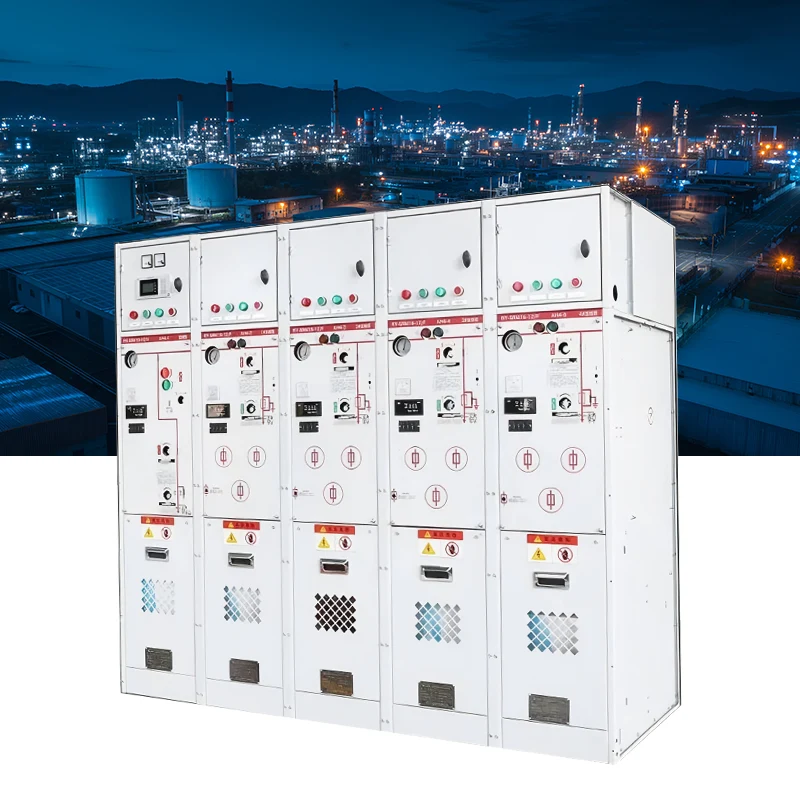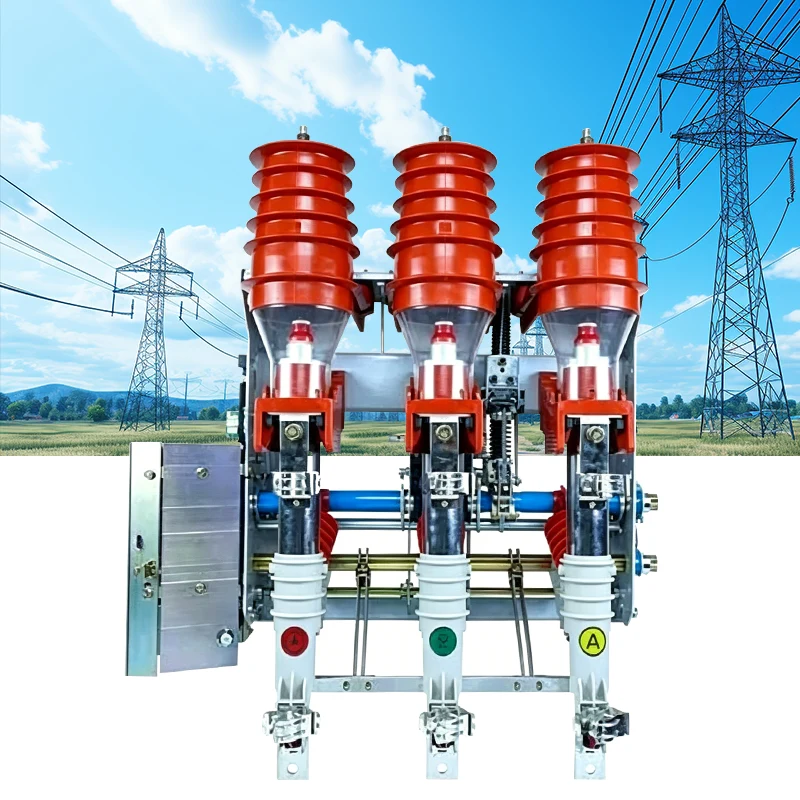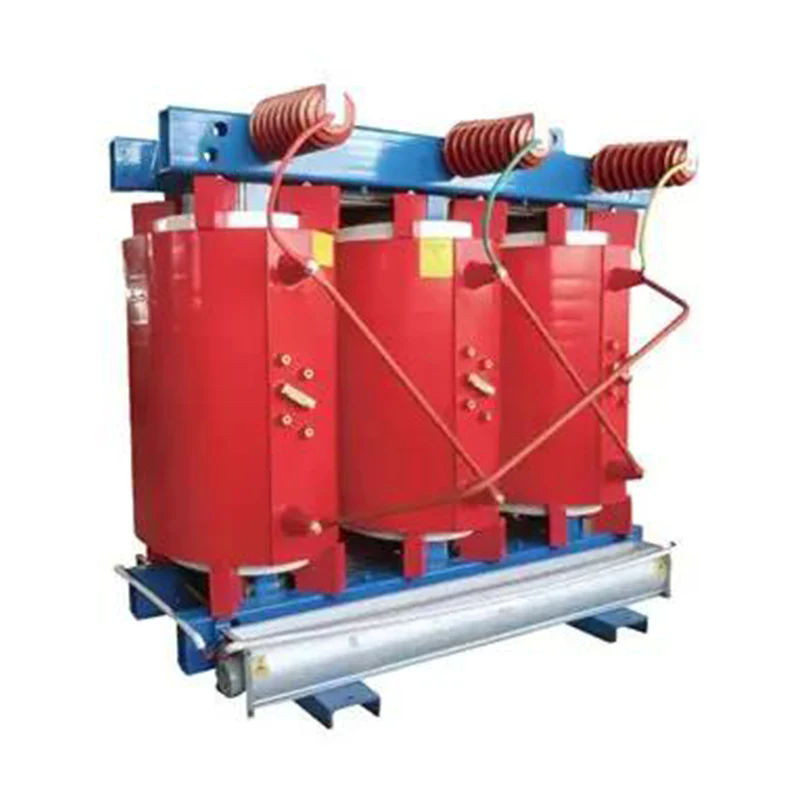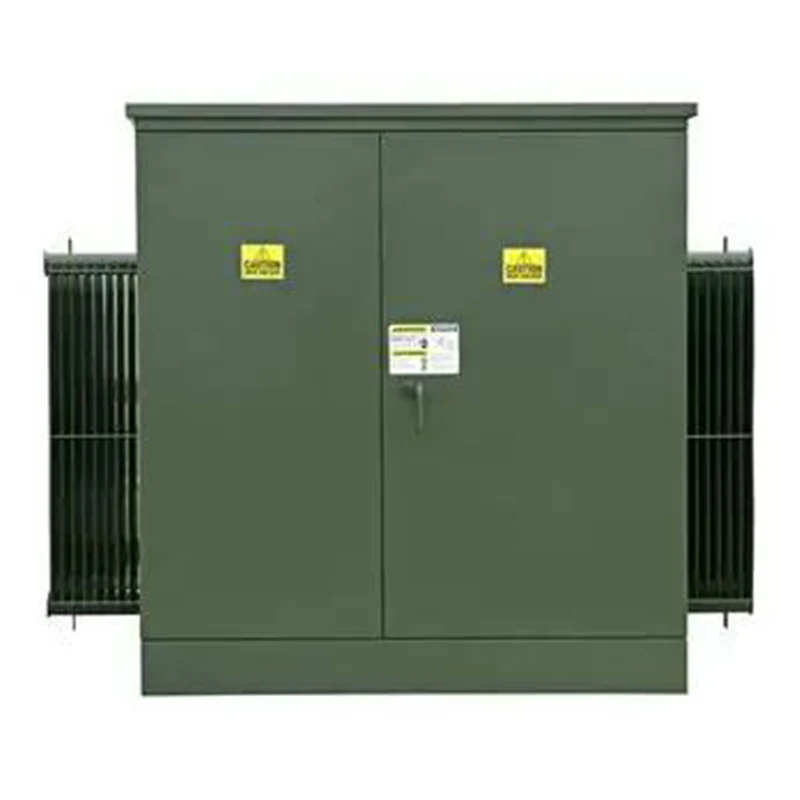
Electrical infrastructure demands components that combine safety, efficiency, and precision. Low Voltage Switchgear stands at the heart of modern power management, controlling and protecting circuits in commercial buildings, industrial plants, and utility networks. JUCEG has spent decades refining this technology to deliver solutions that meet rigorous international standards while adapting to site-specific challenges. Whether you are upgrading an aging electrical room or designing a new facility, understanding the full scope of what quality low voltage switchgear can offer will help you make an informed investment.
Low voltage switchgear finds application anywhere that electrical energy needs to be distributed reliably. JUCEG equipment has been deployed in data centers where uptime is measured in “nines,” in hospitals where life safety circuits cannot afford a single interruption, in metro rail networks subject to vibration and dust, and in heavy industries like steel and mining where harmonic-rich loads are the norm. The ability to configure internal arc classifications, ingress protection, and seismic zones allows the same platform to serve a pharmaceutical cleanroom or an offshore platform.
A distribution board typically combines a single busbar with plug-in breakers inside a wall-mounted enclosure, suitable for light commercial loads up to perhaps 400A. Low voltage switchgear, on the other hand, is a floor-standing, often multi-section assembly capable of handling thousands of amps, with formal internal segregation, draw-out breaker mechanisms, and comprehensive protection schemes. JUCEG switchgear meets the strict requirements of IEC 61439-2 and is designed for selective coordination across entire power networks, something a basic panelboard cannot guarantee.
How do I select the correct form of internal separation for my JUCEG low voltage switchgear?Form 2b separates busbars from functional units but not all terminals. This is cost-effective for applications where downtime can be tolerated and access is limited to trained personnel. Form 3b separates busbars from all functional units and also separates the terminals of each unit from one another, preventing arc propagation between outgoing circuits. Form 4b provides the highest level of separation, where both busbars and terminals are completely compartmentalized, allowing safe work on a single feeder while others remain energized. JUCEG application engineers perform a risk assessment with you to balance safety, space, and budget before recommending a form.
Can JUCEG low voltage switchgear integrate with existing building management systems?Absolutely. All JUCEG intelligent low voltage switchgear solutions come equipped with communication-ready trip units and meters that support Modbus RTU or TCP/IP as standard. We also offer gateway cards for Profibus, BACnet, and SNMP, enabling seamless integration with SCADA, BMS, and energy management platforms. Our detailed point lists and commissioning test packets allow system integrators to map every parameter without guesswork.
What documentation is delivered with each JUCEG low voltage switchgear project?Each order includes a comprehensive documentation package: certified single-line diagrams, general arrangement drawings, wiring schematics, bill of materials, type-test certificates, routine test reports, installation and maintenance manuals, and an ARC flash risk assessment if requested. We also supply a digital twin model in common formats to assist facility management teams with long-term operation and training.