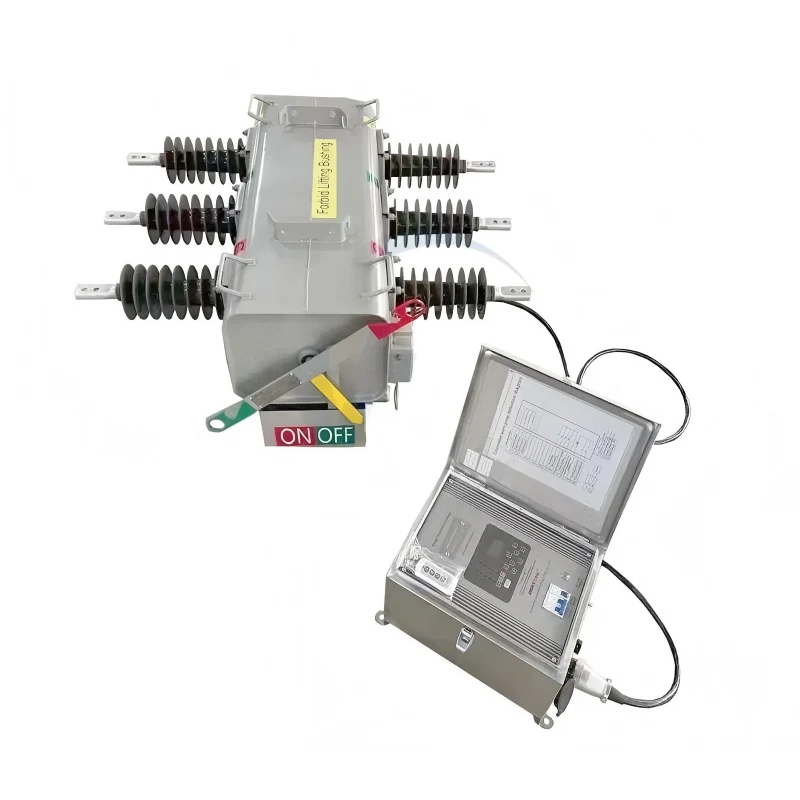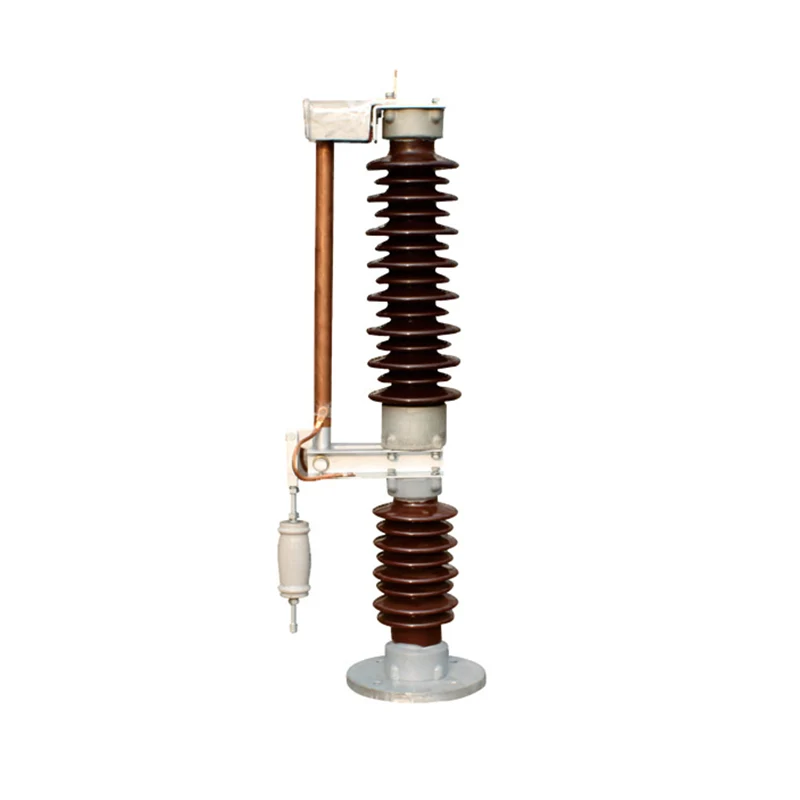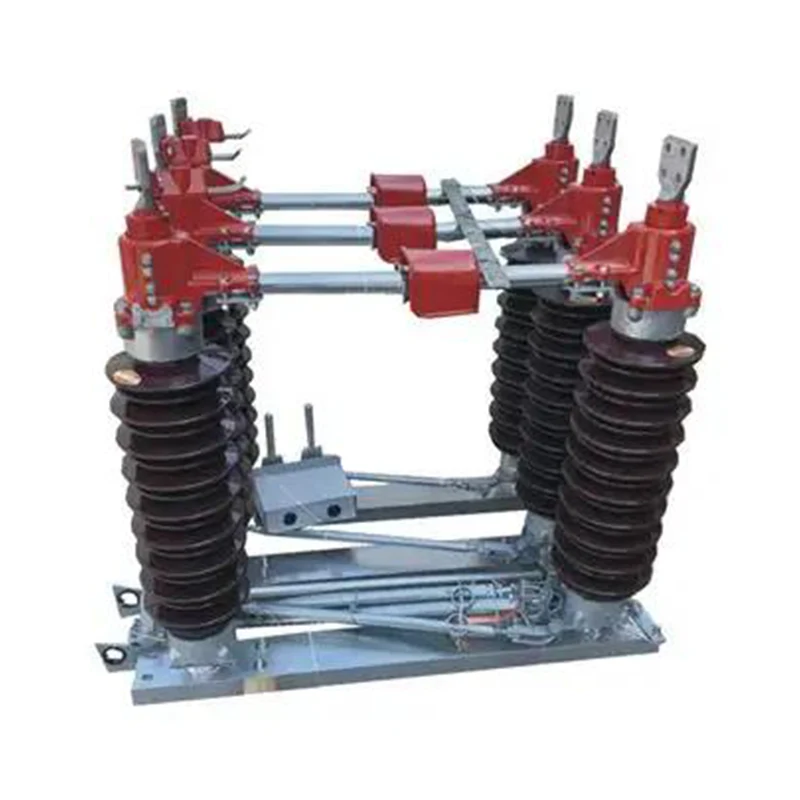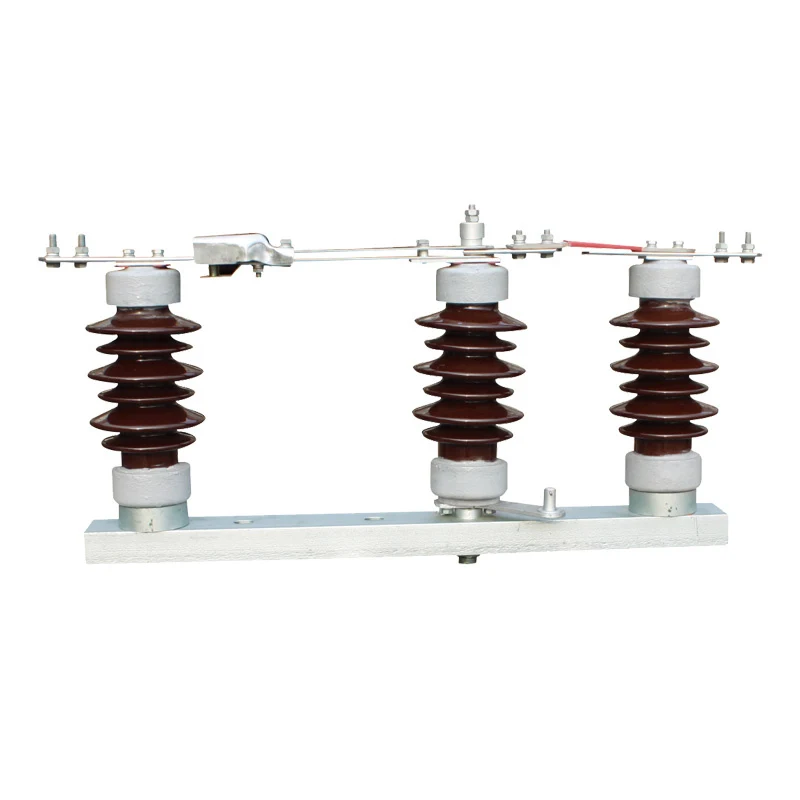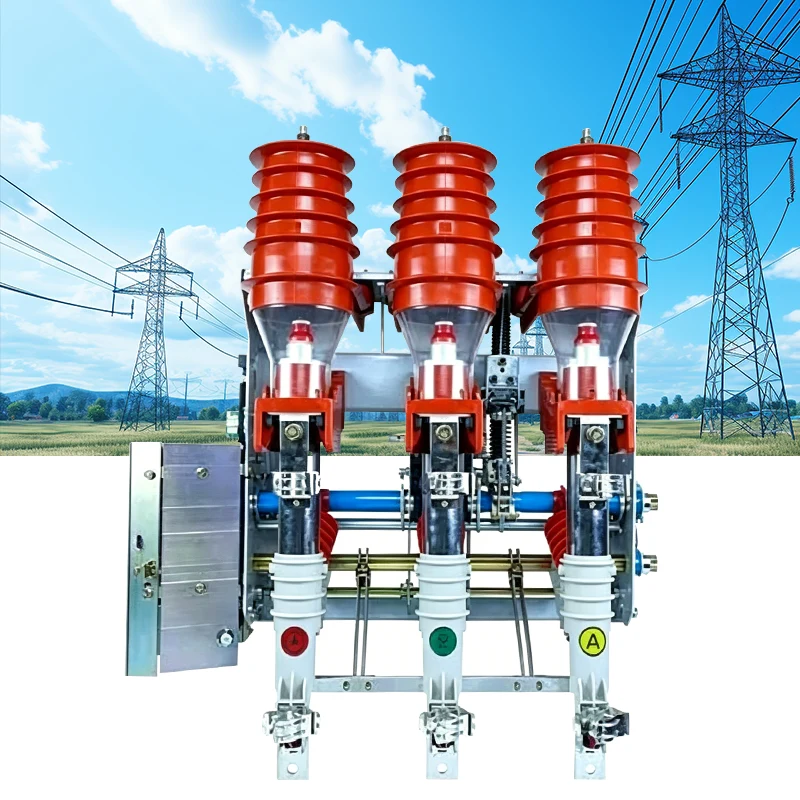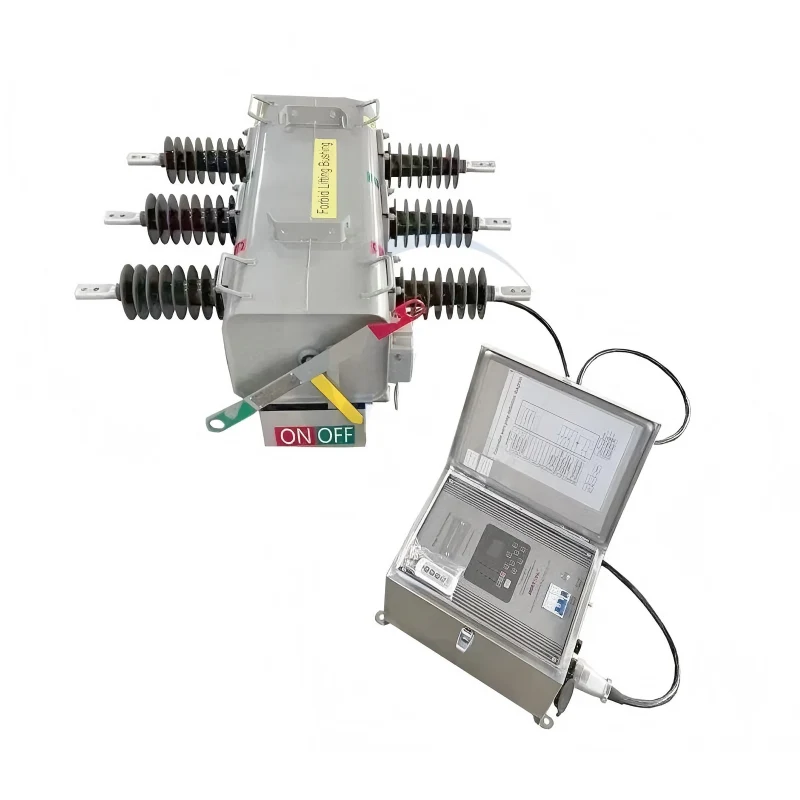
The Outdoor Disconnecting Switch is a cornerstone of electrical safety and system management, purpose-built to isolate specific circuit sections under no-load conditions. These devices deliver a visible and verifiable air gap, confirming that downstream equipment is completely de-energized. Engineered for endurance, outdoor disconnecting switches confront torrential rain, ultraviolet exposure, wind-borne debris, and temperature swings from arctic freezes to desert extremes. Their role spans transmission substations, distribution feeders, industrial power loops, and renewable energy collector systems, making them indispensable for operational flexibility and crew protection.
JUCEG applies a vertically integrated manufacturing philosophy to outdoor disconnecting switches, in-house casting ferrous and non-ferrous parts, machining contact surfaces, and assembling final products under ISO 9001:2015 and ISO 14001:2015 certified workflows. Each switch undergoes a battery of electrical tests: a one-minute power-frequency withstand routine, impulse voltage testing for BIL verification, millivolt-drop measurements across main and earthing contacts, and a 5000-operation mechanical duty trial on sampled lots. Thermal imaging cameras screen for hotspot propagation during current injection, ensuring compliance with the 65°C maximum temperature rise limit prescribed by standards. Packaging includes desiccant sachets, VCI paper, and seaworthy crates, protecting the switch during worldwide transport.
An outdoor disconnecting switch is meant solely to either establish or isolate an electrical path when no current flows, providing a visible isolation gap. A load break switch, in contrast, is designed to interrupt normal load currents—up to its rated capacity—but it lacks fault-interruption capability. In practice, disconnecting switches anchor the safety chain after a circuit breaker opens; load break switches can replace breakers in lower-energy meshes.
How does JUCEG ensure corrosion resistance in coastal or industrial environments?JUCEG applies a multi-layer protective strategy starting with substrate selection: 316L stainless steel for hardware, anodized aluminum for linkage arms, and silicone-covered insulators. After welding, frames receive a zinc arc-spray or hot-dip galvanizing coat, followed by a marine-grade epoxy topcoat. Contact points use tin-nickel or silver alloys resistant to hydrogen sulfide and saline mist. The IP65-rated control cabinet with gland plates avoids salt-laden air ingress.
Can a JUCEG outdoor disconnecting switch interface with a SCADA automation network?Yes, all motor-operated JUCEG switches can be furnished with a digital control unit supporting IEC 61850 Edition 2, DNP3, or Modbus TCP/IP protocols. The switch becomes a logical node in the substation LAN, broadcasting its open/close state, motor health, and SF6 density (if applicable) to the utility’s ADMS platform. Cybersecurity features such as role-based access and TLS encryption are configurable.
What factory tests are performed on a complete JUCEG outdoor disconnecting switch?Routine tests include power-frequency dry withstand at 100% of specified voltage for one minute, measurement of contact resistance via a 100-A DC micro-ohmmeter, and a mechanical operation sequence (CO-CO-CO). Type tests involve temperature-rise runs at rated current, short-time current peak withstand (kA peak), and an M1 mechanical endurance campaign exceeding 10,000 open-close cycles. Samples also undergo radio interference voltage checks to verify corona extinction below 1,000 µV.