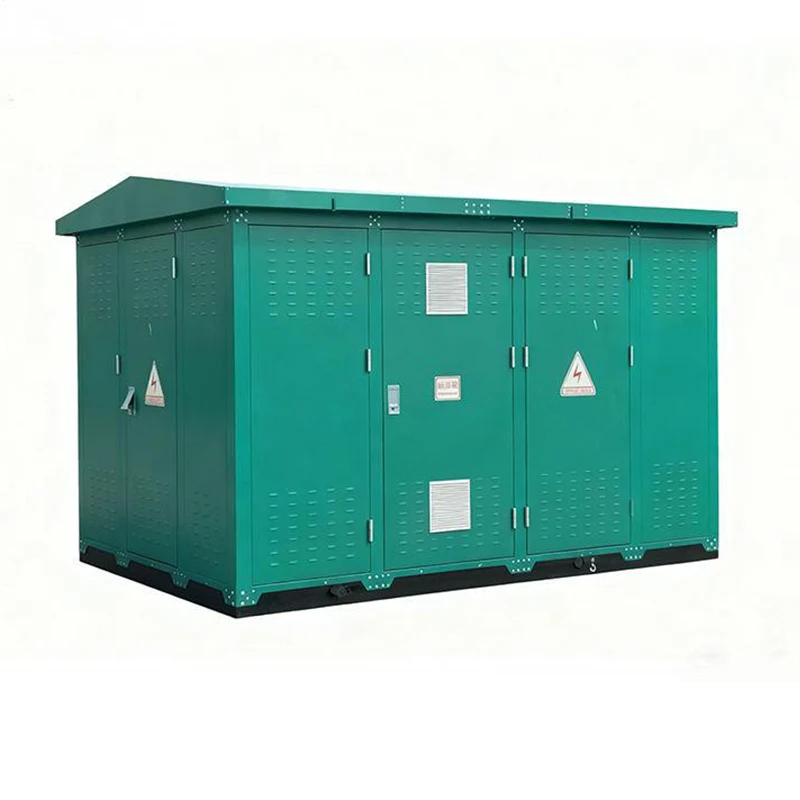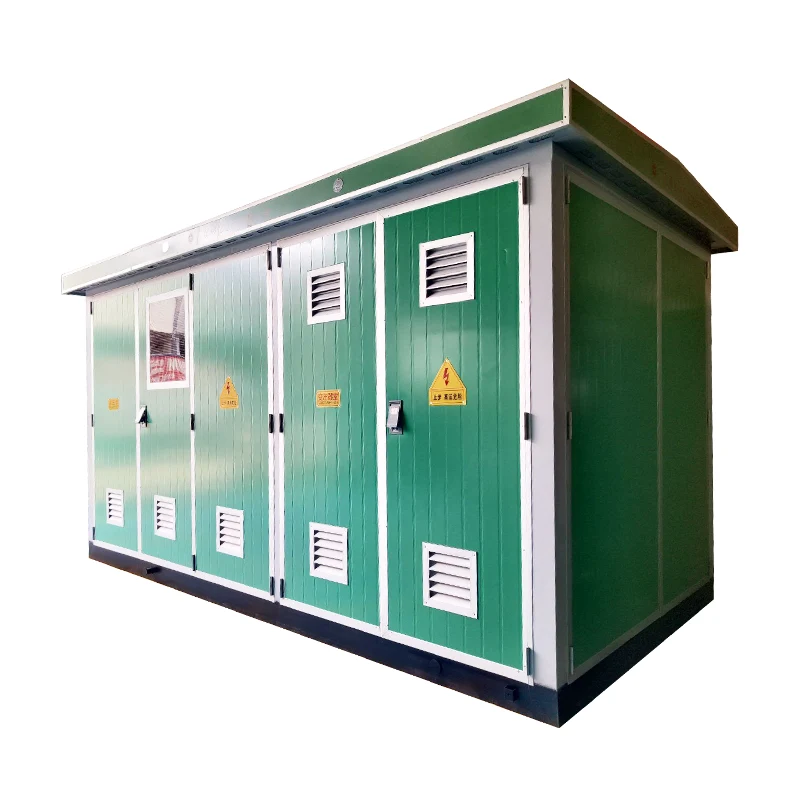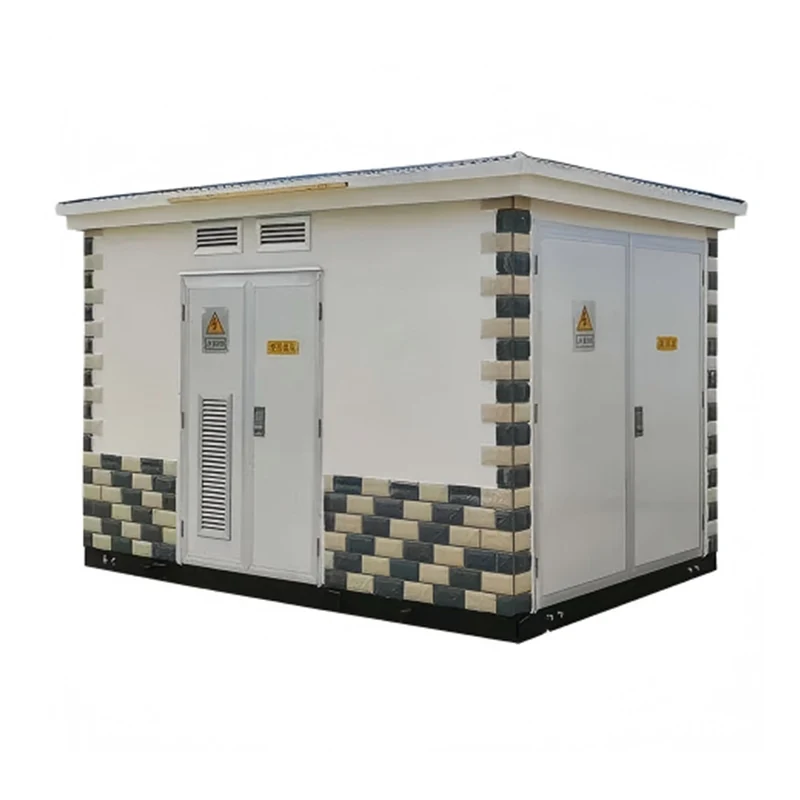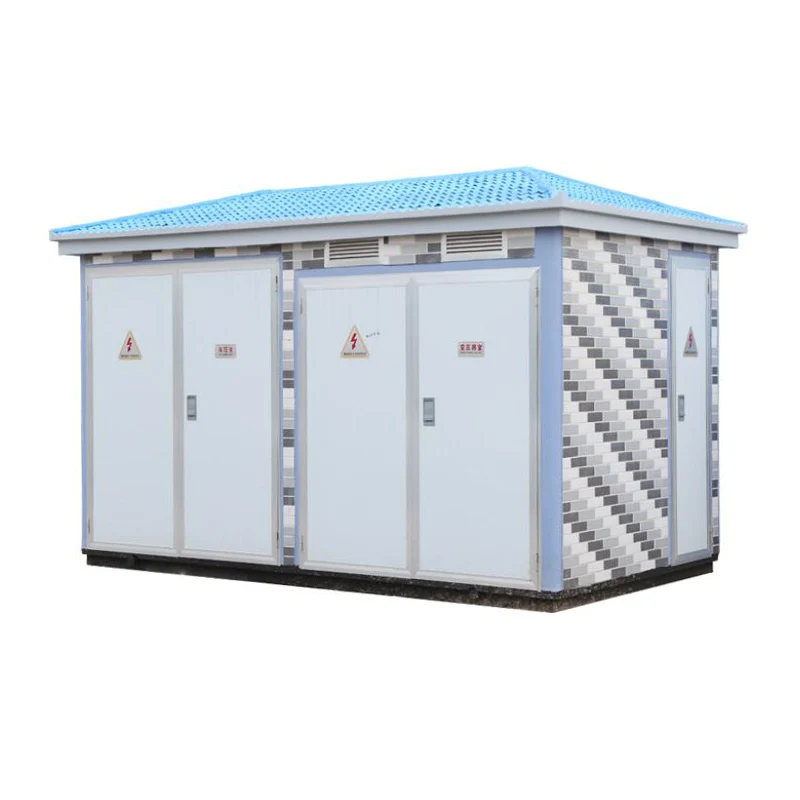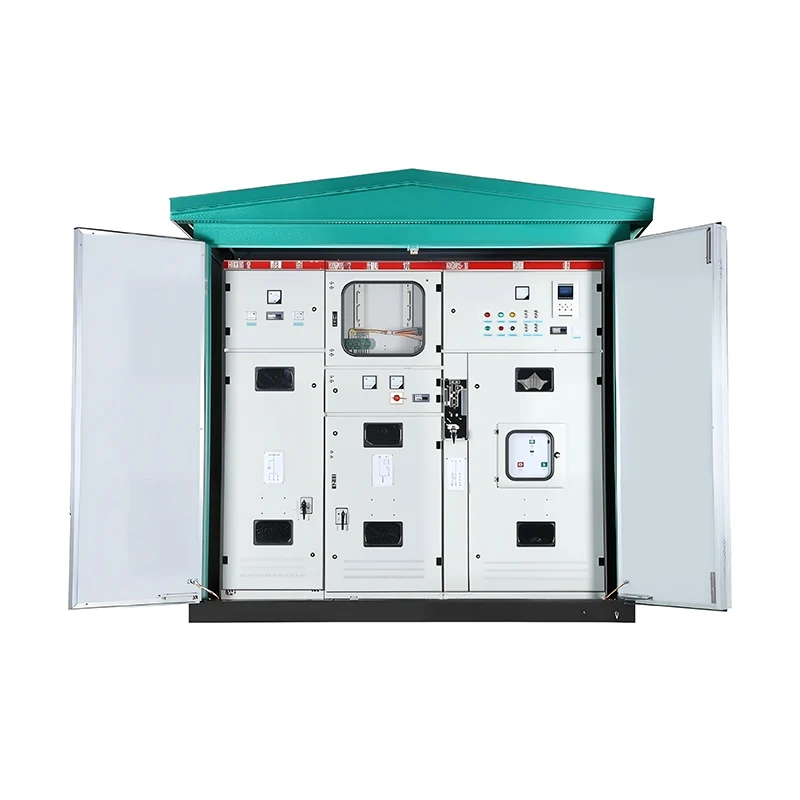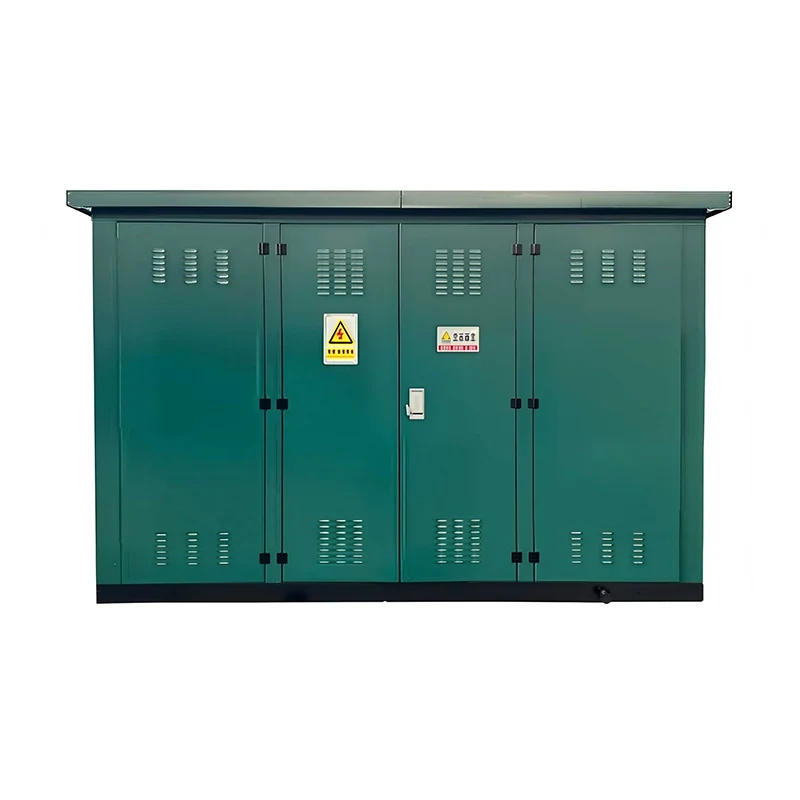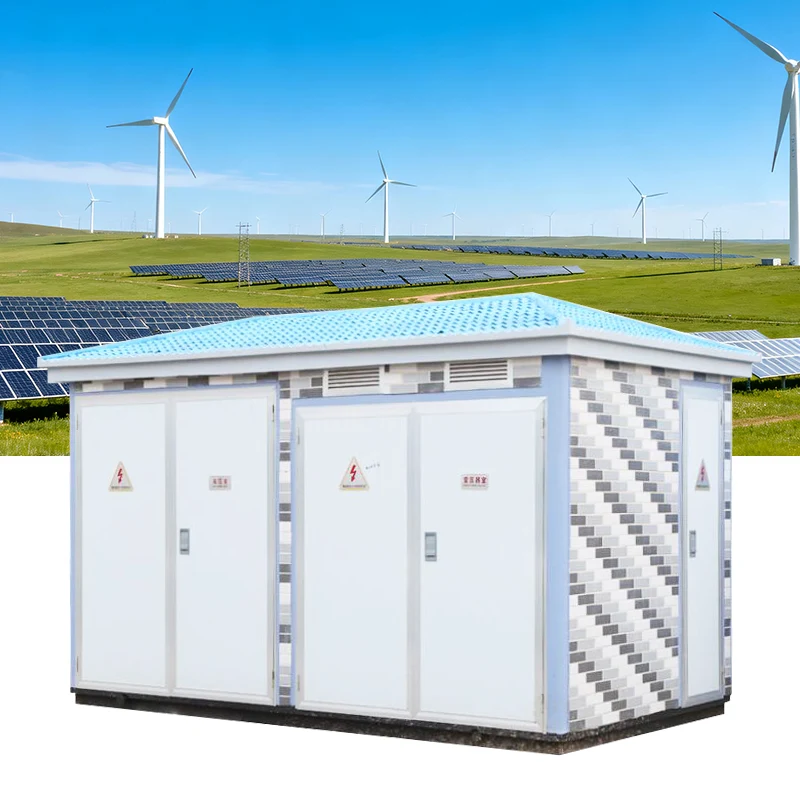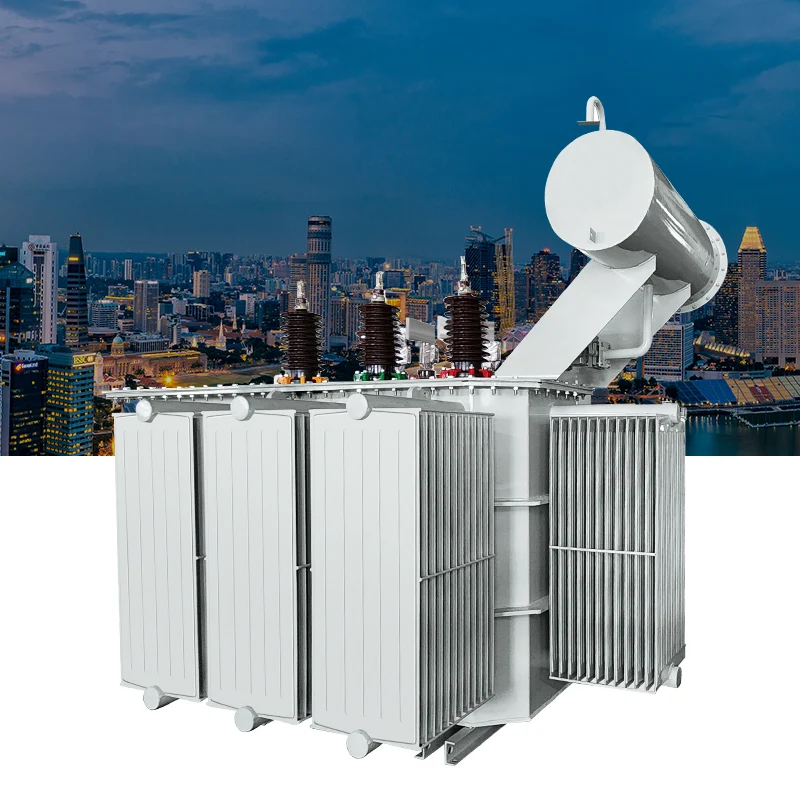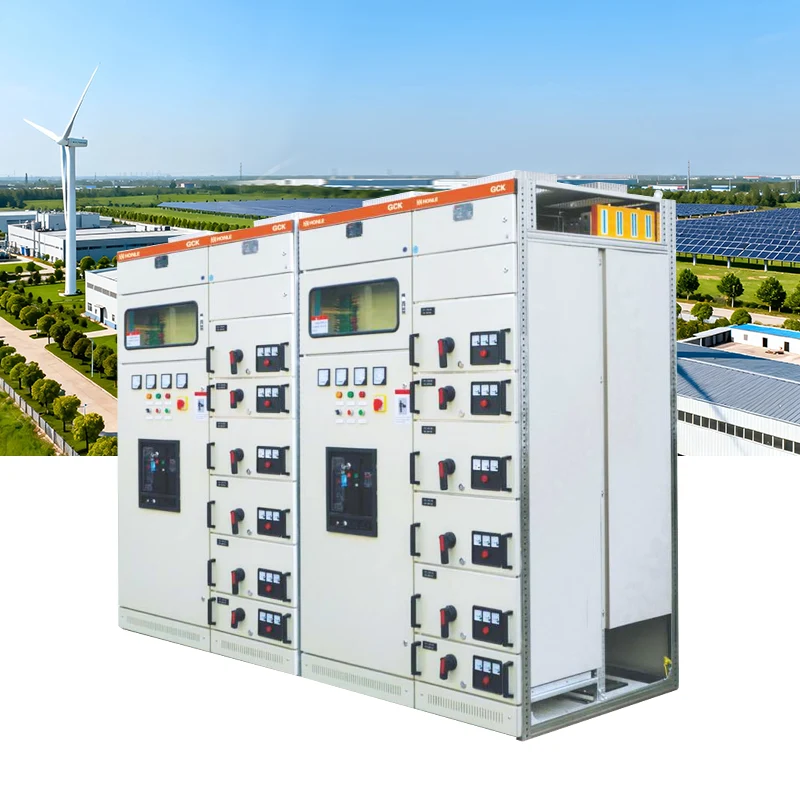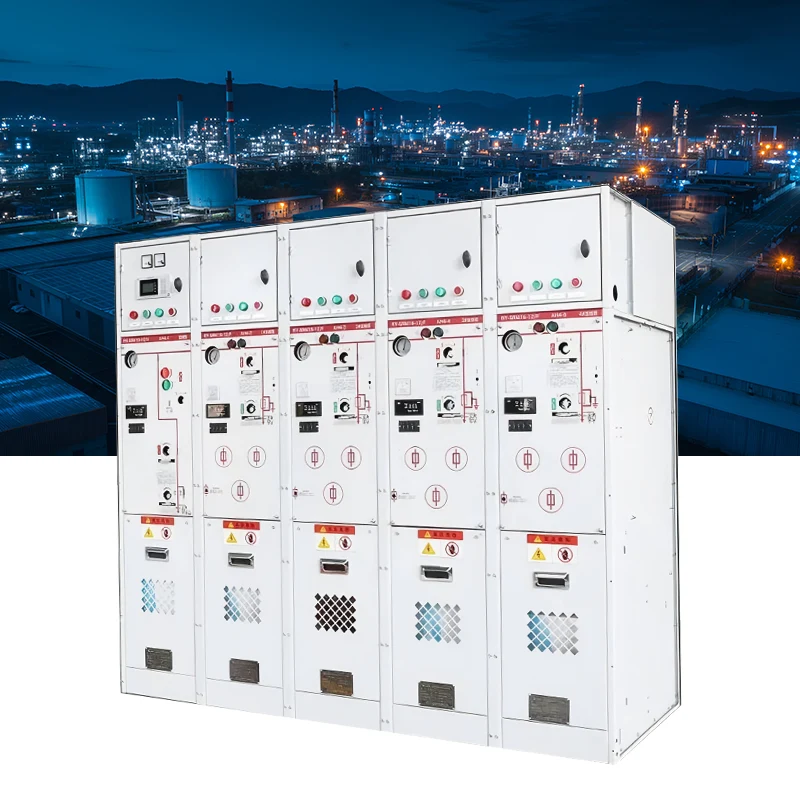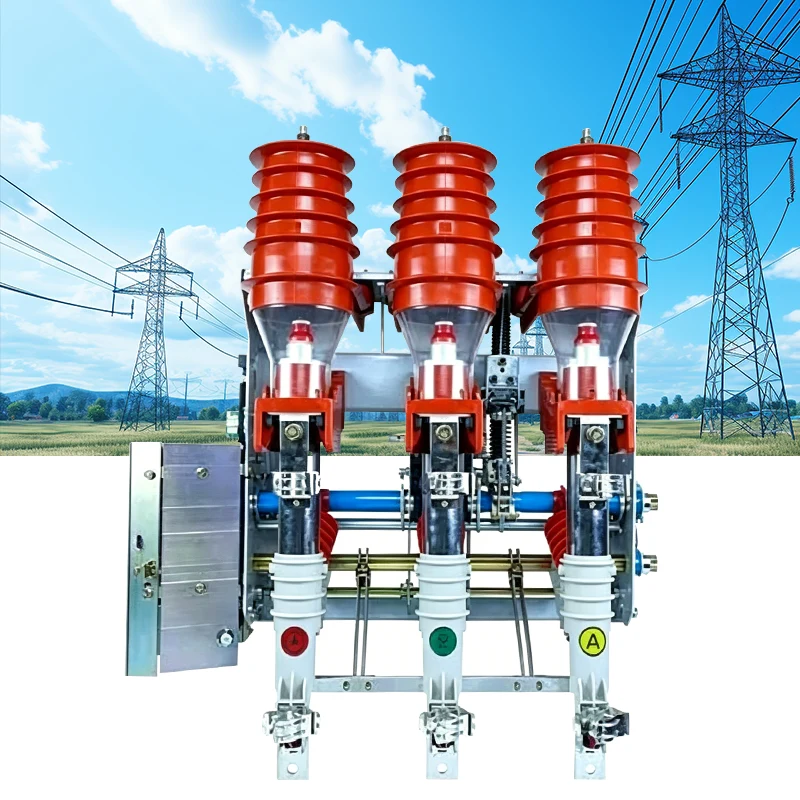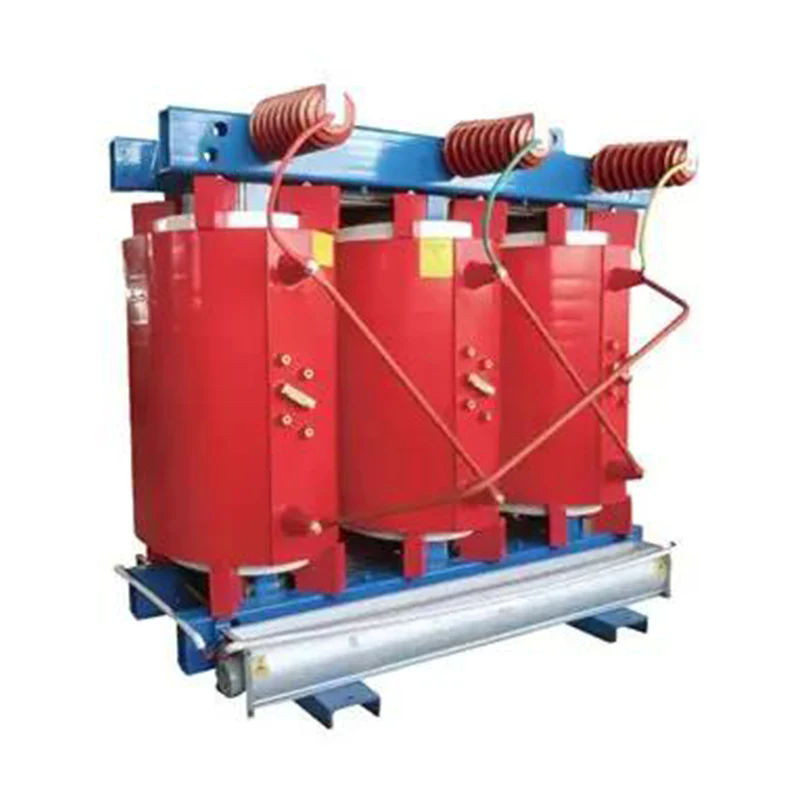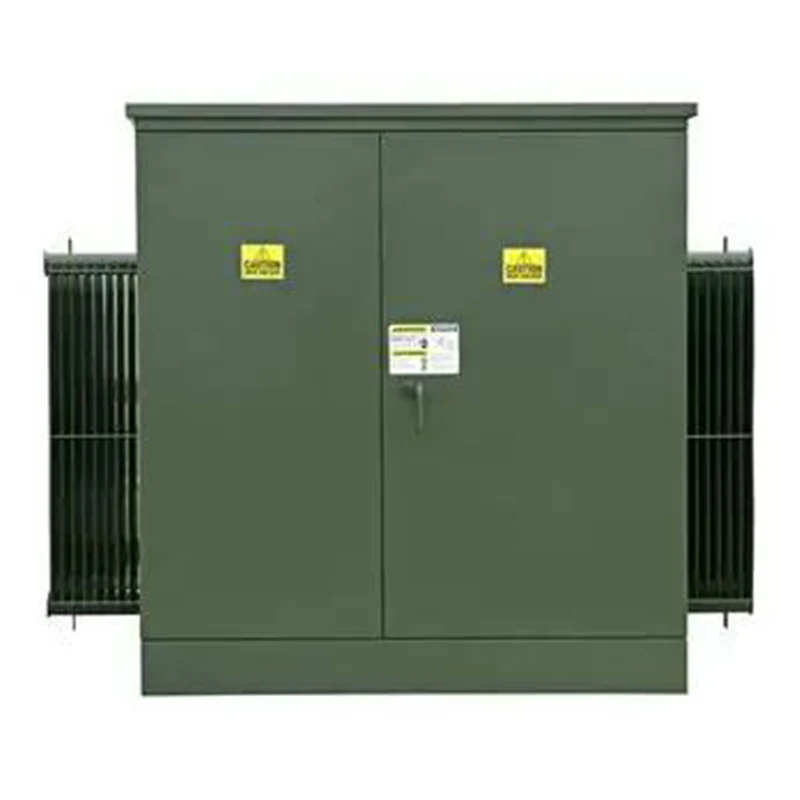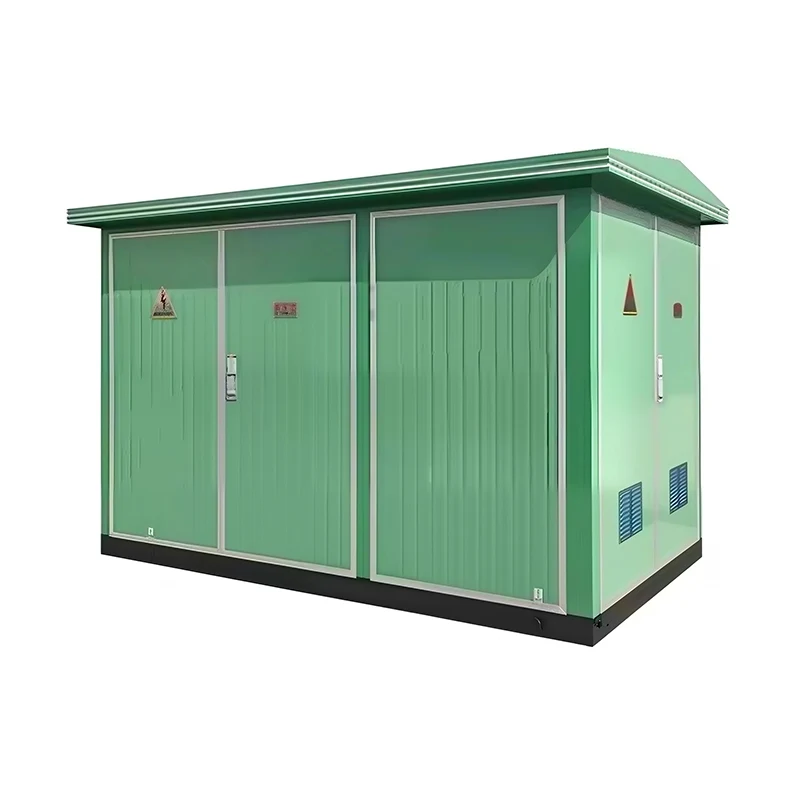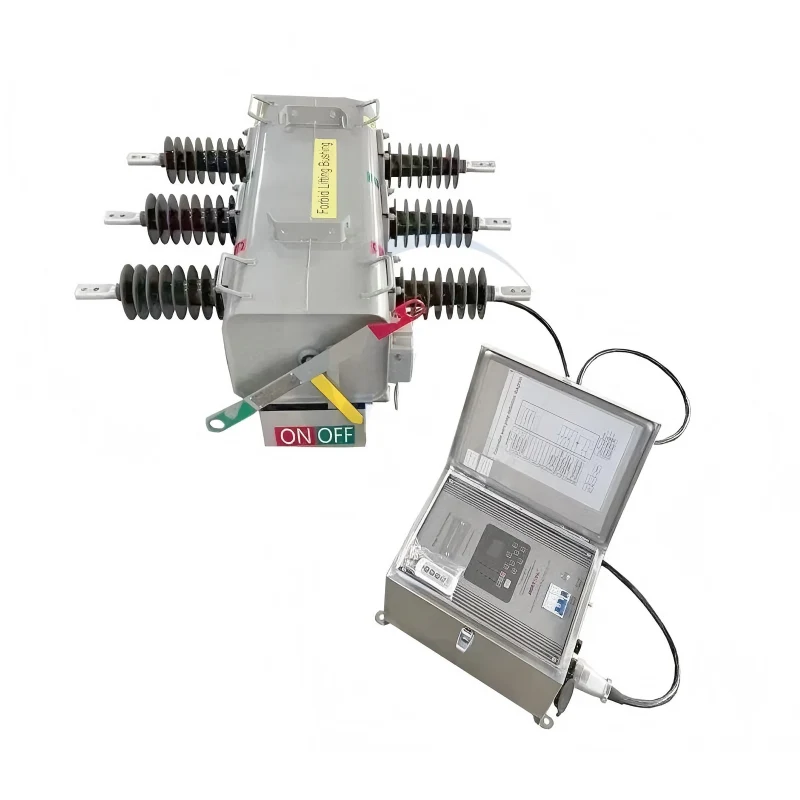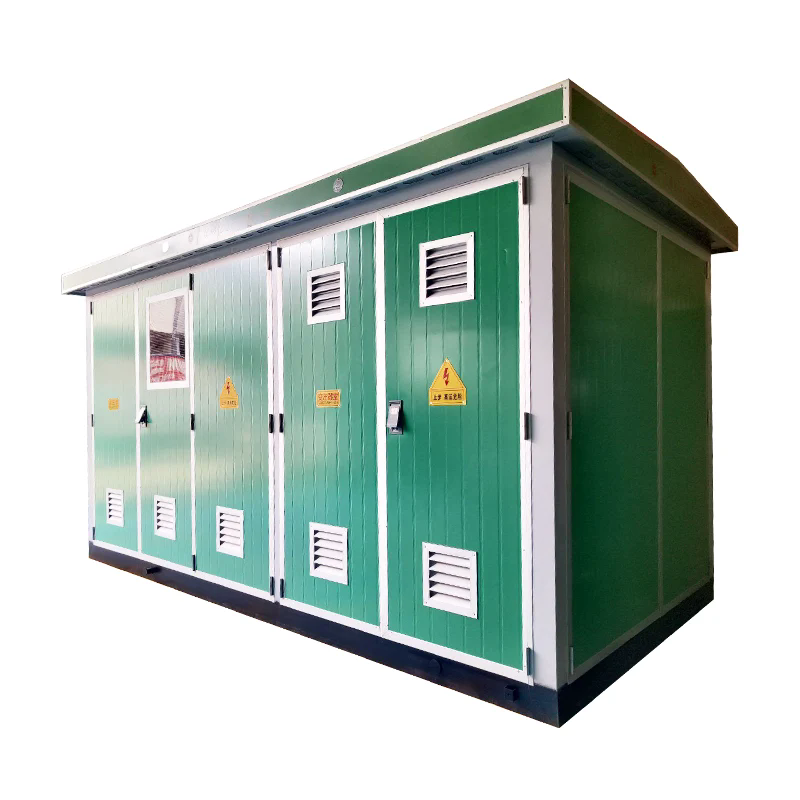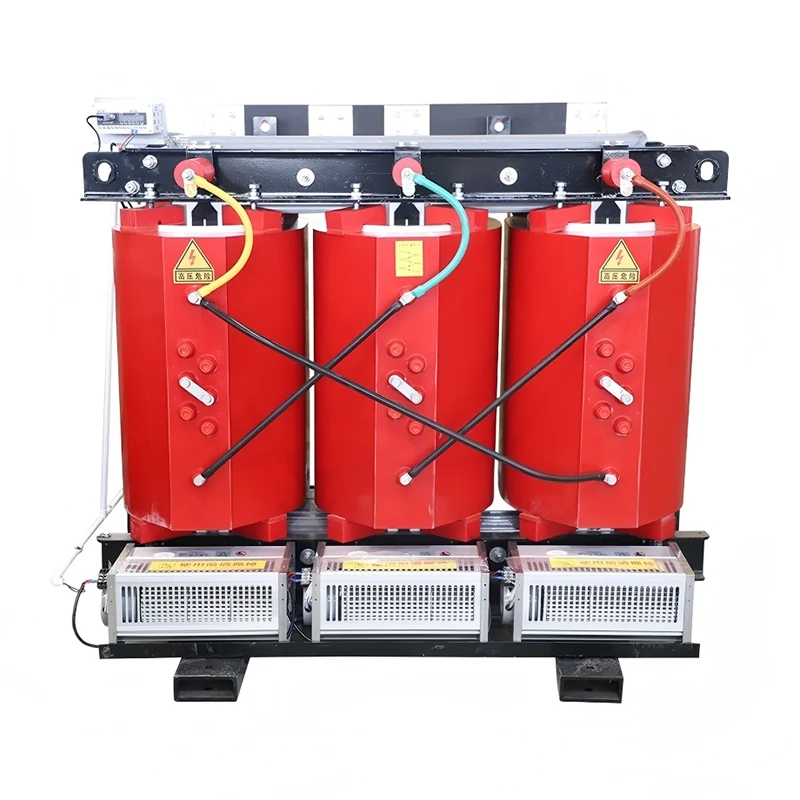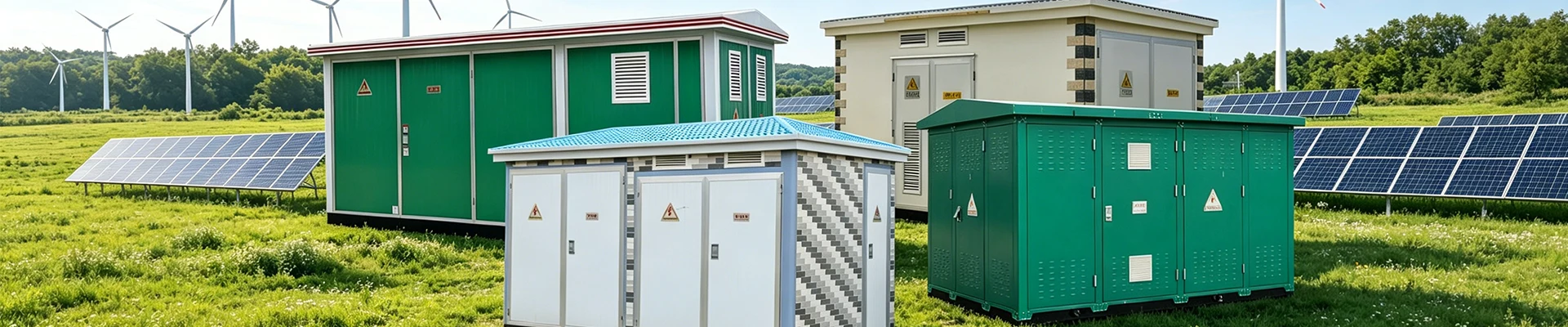
A typical JUCEG European Type Substation is divided into three segregated compartments. The high-voltage room contains ring main units, load break switches, or circuit breakers, all enclosed in metal cabinets. The transformer room houses either an oil-immersed or dry-type distribution transformer with natural or forced air cooling, thermally decoupled from adjacent sections. The low-voltage room includes main and feeder breakers, power factor correction capacitors, and intelligent metering systems. Each compartment meets IP54 or higher ingress protection and is fabricated from galvanized steel or aluminum-zinc alloy panels coated with anti-corrosion finishes.
JUCEG understands that each installation has unique requirements. European Type Substation enclosures can be customized in dimensions, door opening directions, lock types, and ventilation layouts. The HV switchgear can be selected from several manufacturers, and the transformer can be designed for specific impedance values to limit short-circuit currents. Low-voltage feeders can be configured with residual current devices, surge protective devices, and energy analyzers. For coastal regions, enclosures receive a C5-M marine coating. For extremely cold climates, anti-condensation heaters and low-temperature sealing materials are implemented. Optional acoustic enclosures reduce transformer noise to below 45 dB(A) at 1 meter, suitable for residential areas.
Each JUCEG European Type Substation undergoes rigorous factory acceptance testing before shipment. High-voltage tests include power frequency withstand voltage and partial discharge measurement on busbar systems. Transformer routine tests cover no-load and load losses, insulation resistance, and vector group verification. Functional tests of all switching devices and interlocks are conducted. Final assembly is checked for dimensional accuracy and coating thickness. A complete test report is delivered with the unit. Customers are welcome to witness these tests remotely or on-site.
Because the European Type Substation is fully assembled, transportation requires specialized logistics. JUCEG organizes flat-bed trailer shipments with appropriate securing arrangements to avoid mechanical stress. The unit is transported with transformer oil drained or nitrogen-sealed for overseas container shipments, then topped‑up locally. On delivery, JUCEG provides a lifting plan and foundation requirements, including embedded ducts and earthing grid interfaces.
From initial concept to commissioning, JUCEG’s engineering team assists with system design, short-circuit calculations, protection coordination studies, and arc flash hazard analysis. We produce detailed 3D models showing enclosure layout, ventilation path, and cable entry positions, allowing the customer to verify civil interfaces before manufacturing begins. This comprehensive engineering support ensures that every European Type Substation integrates seamlessly into the larger network.