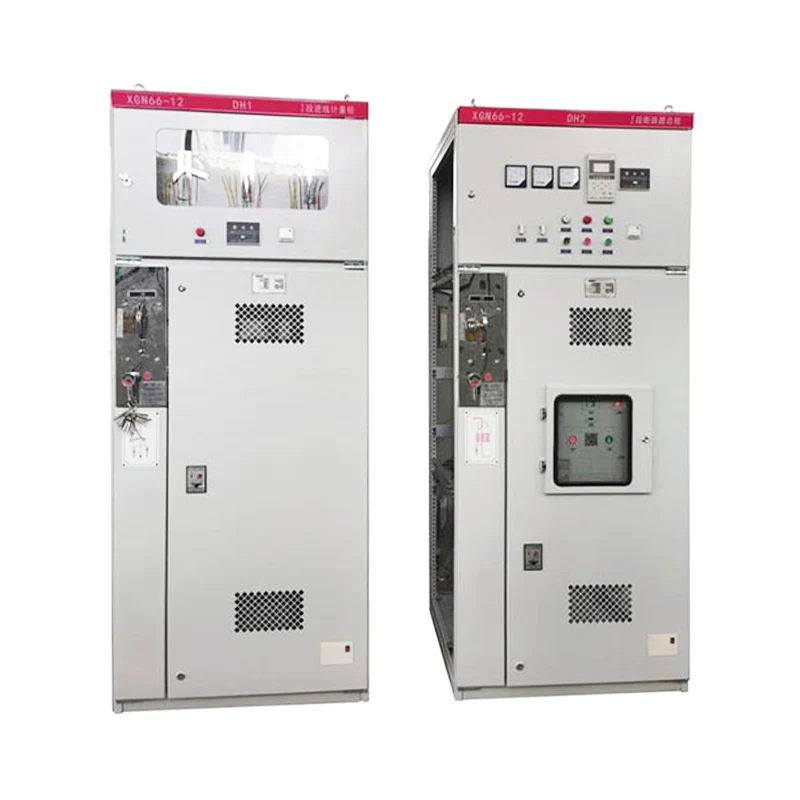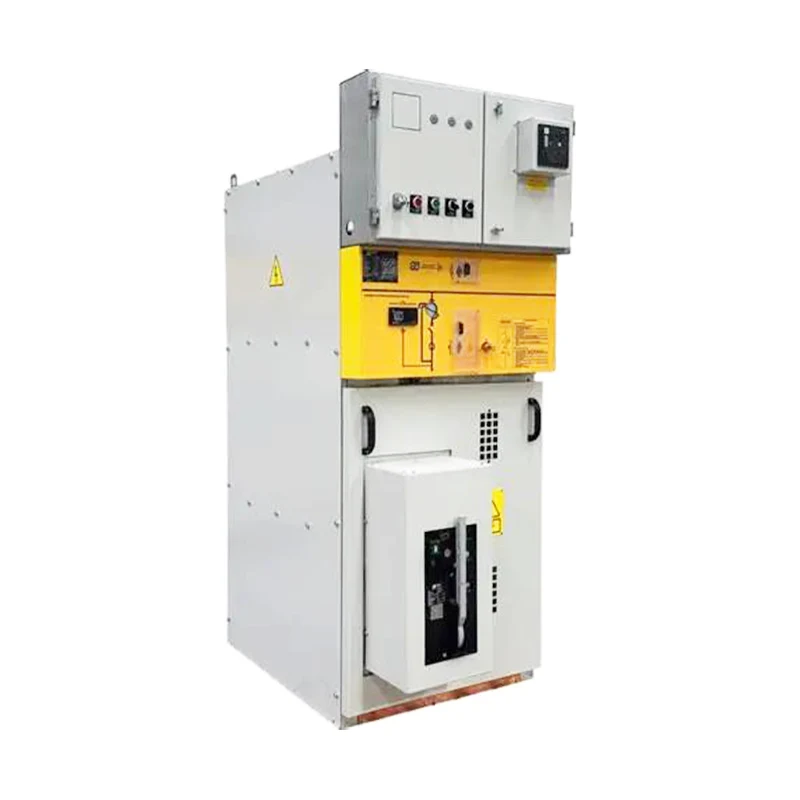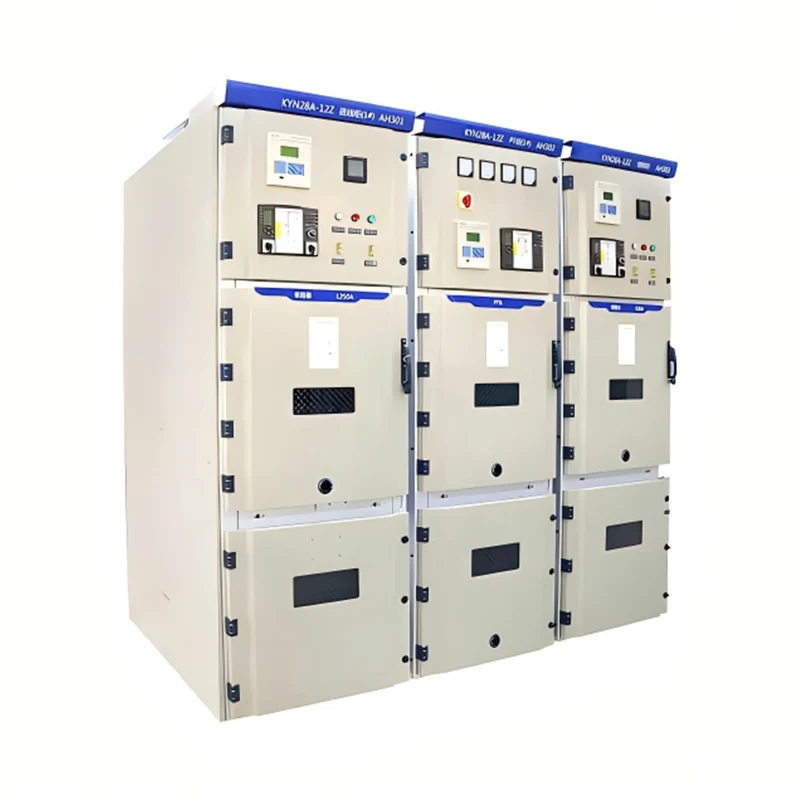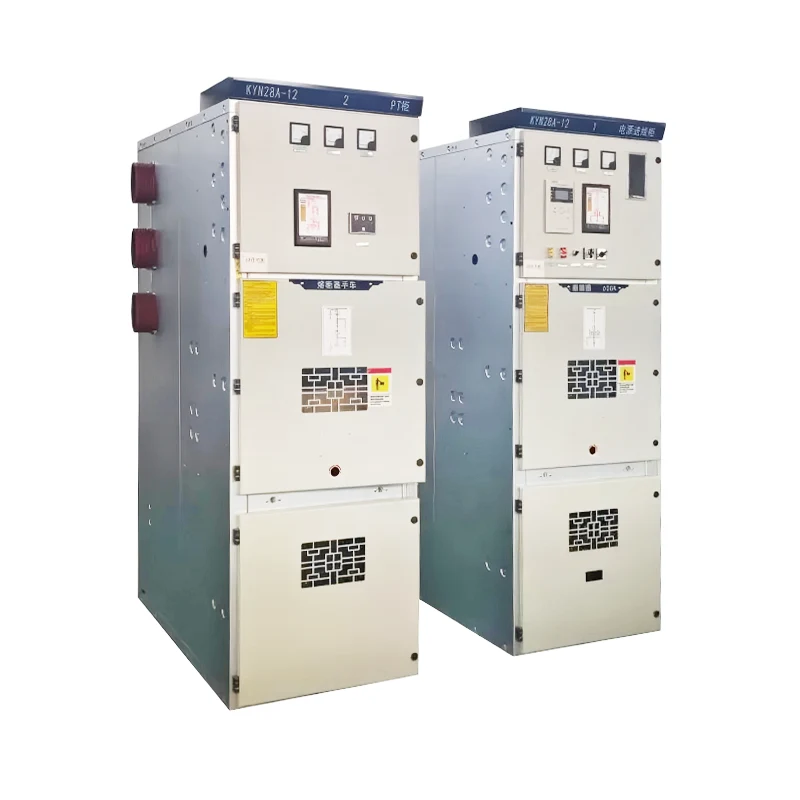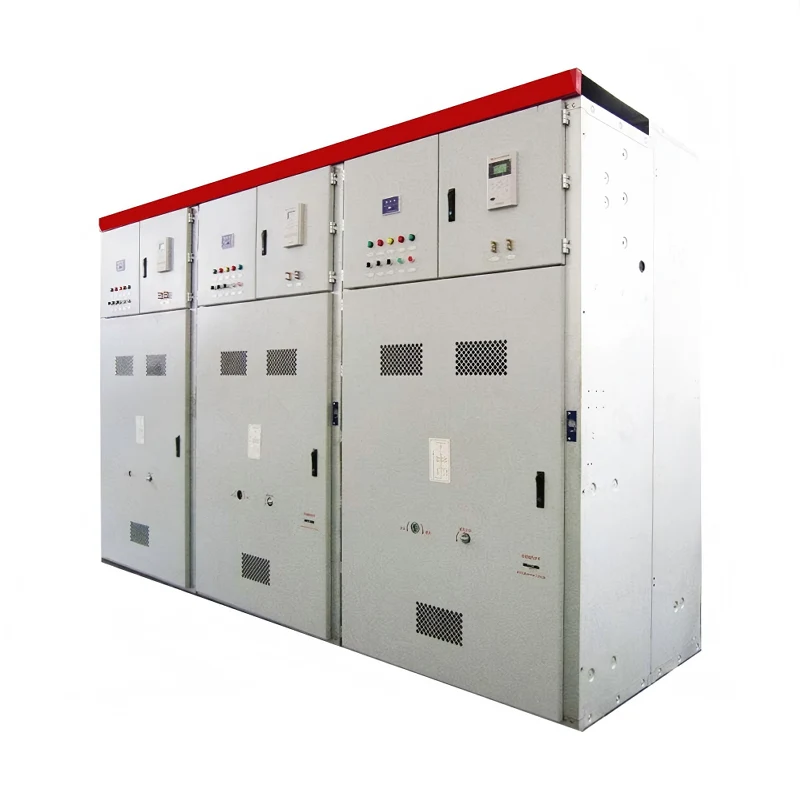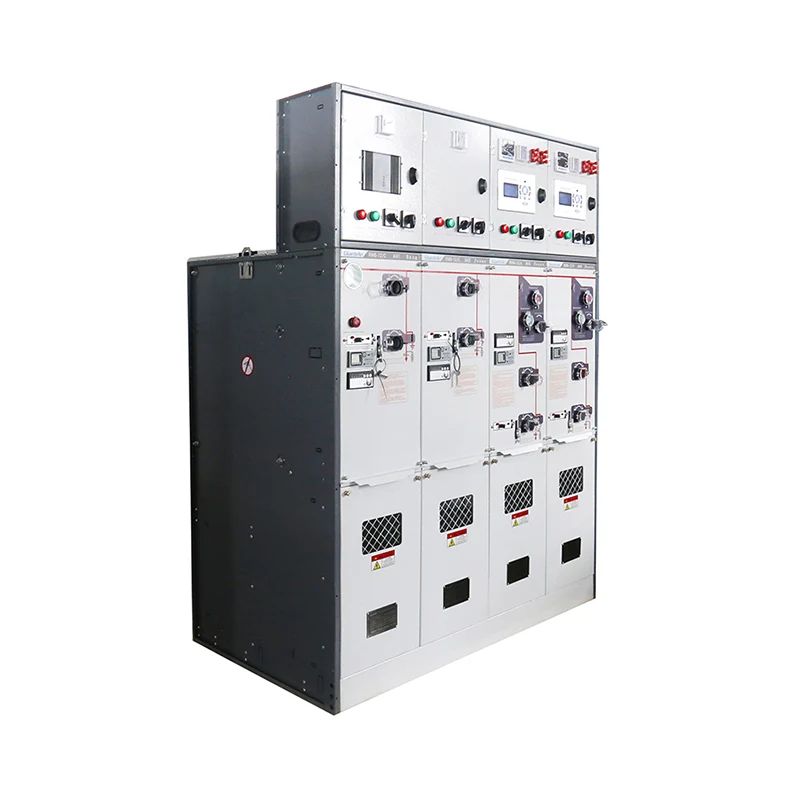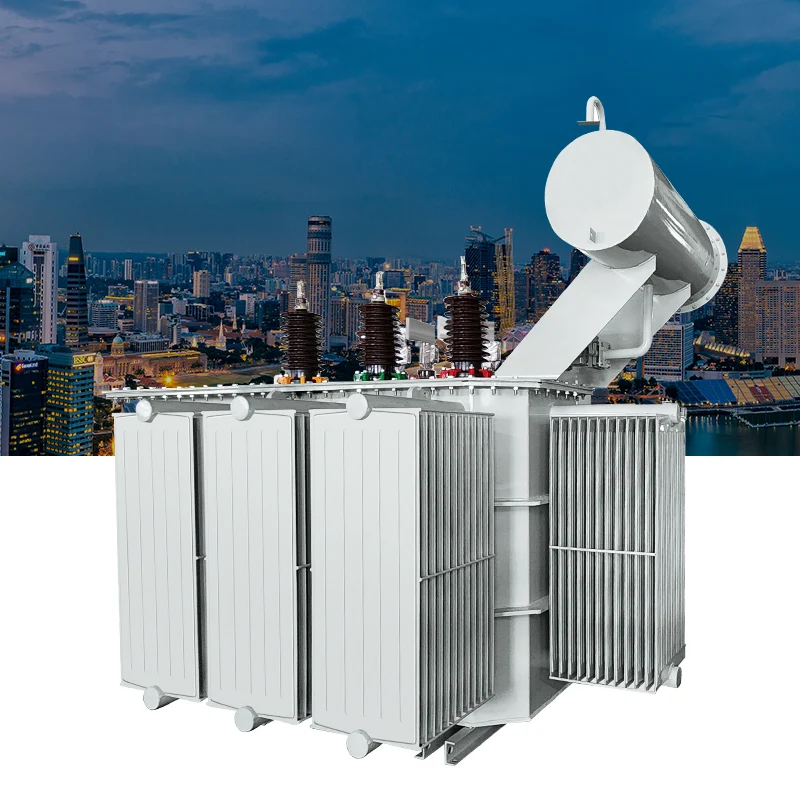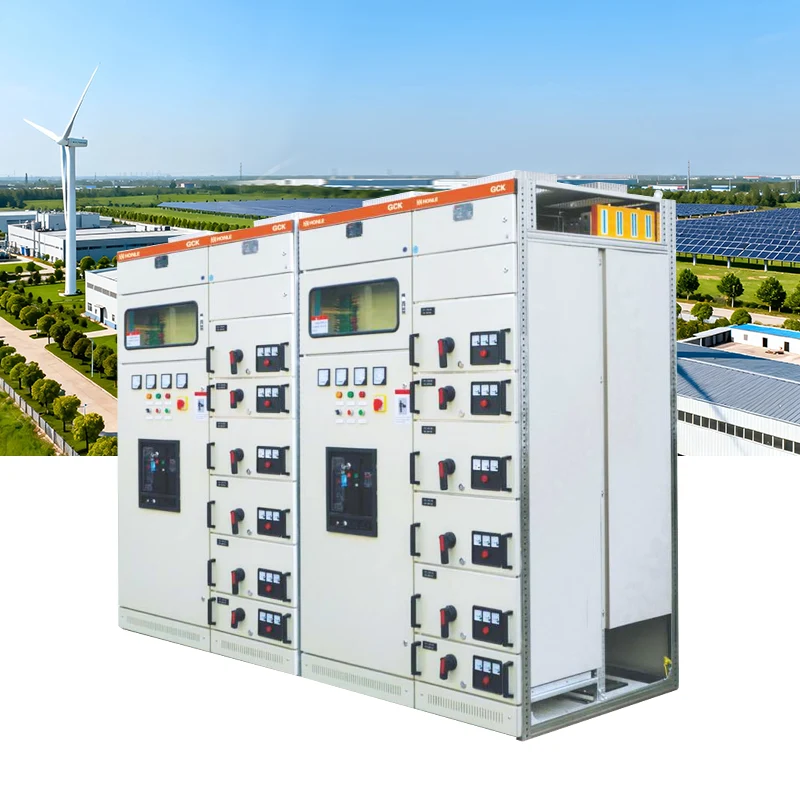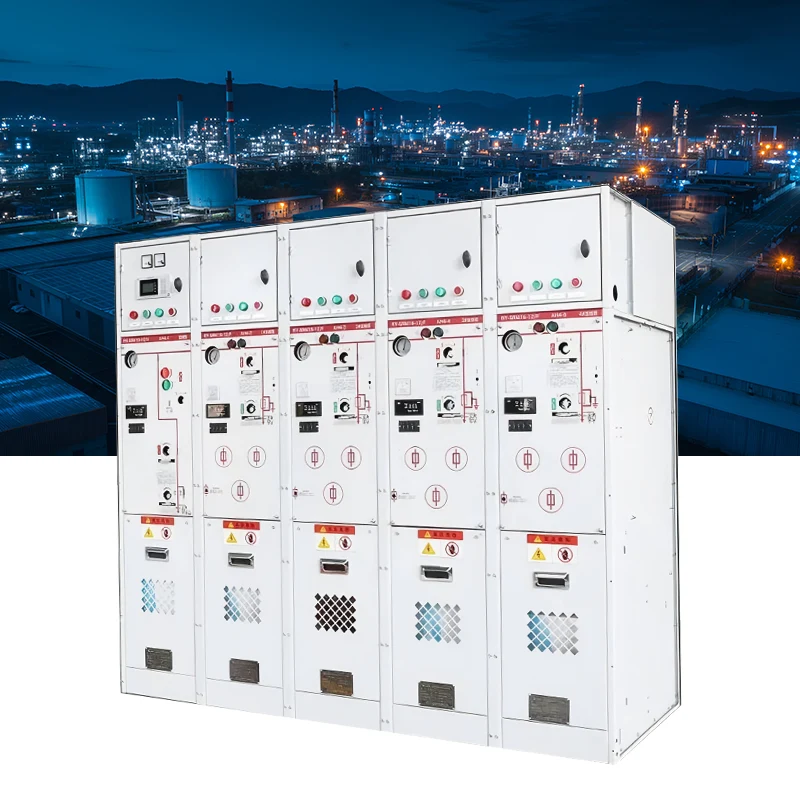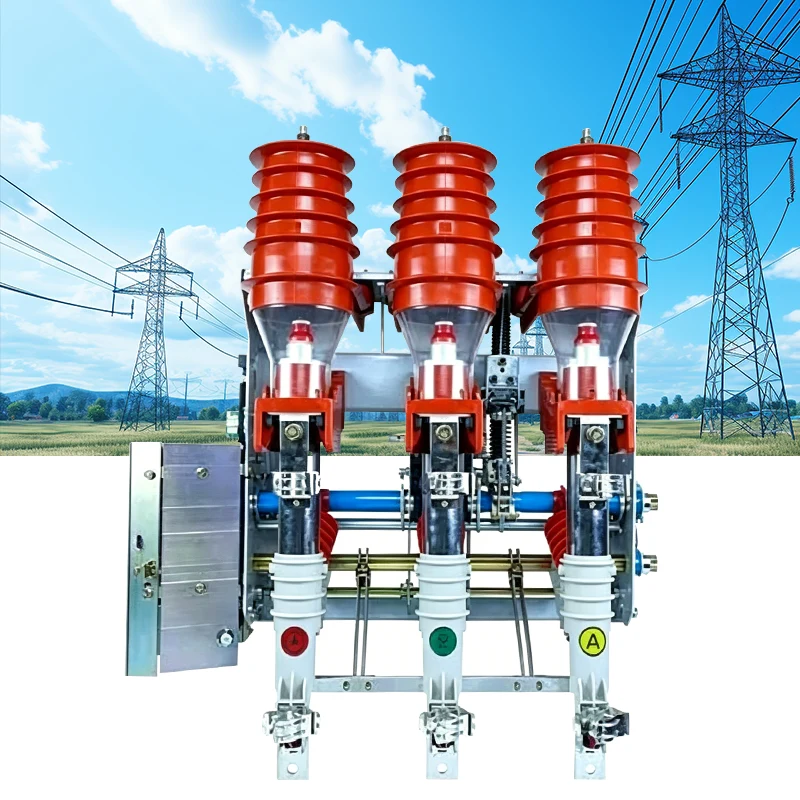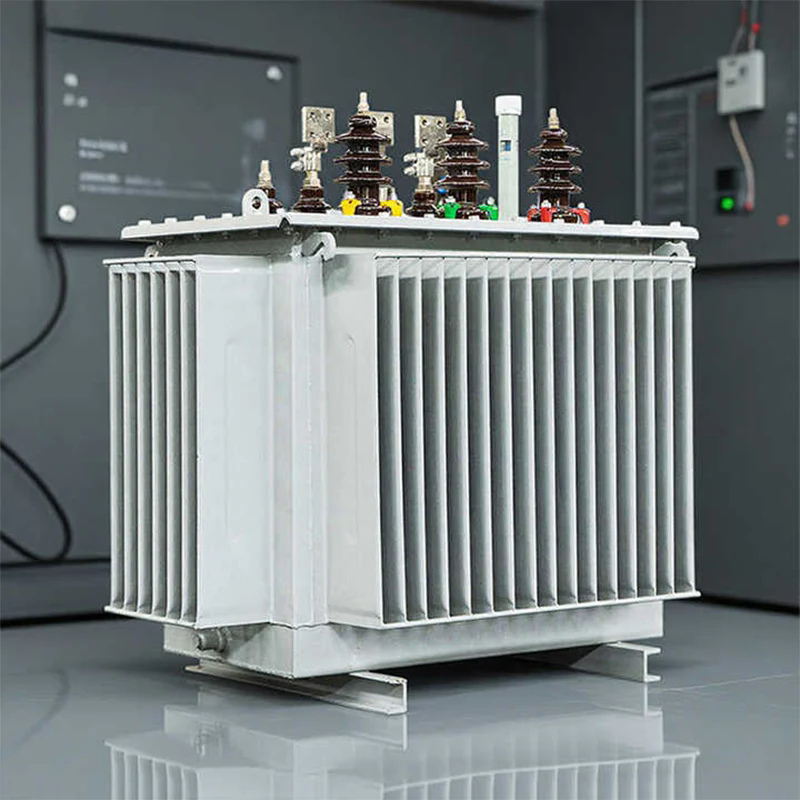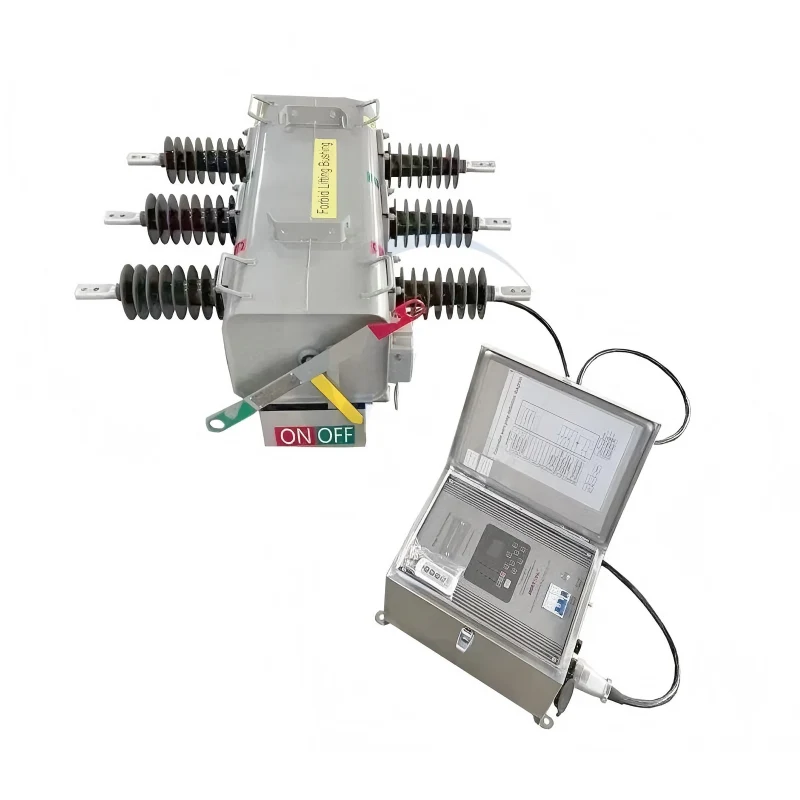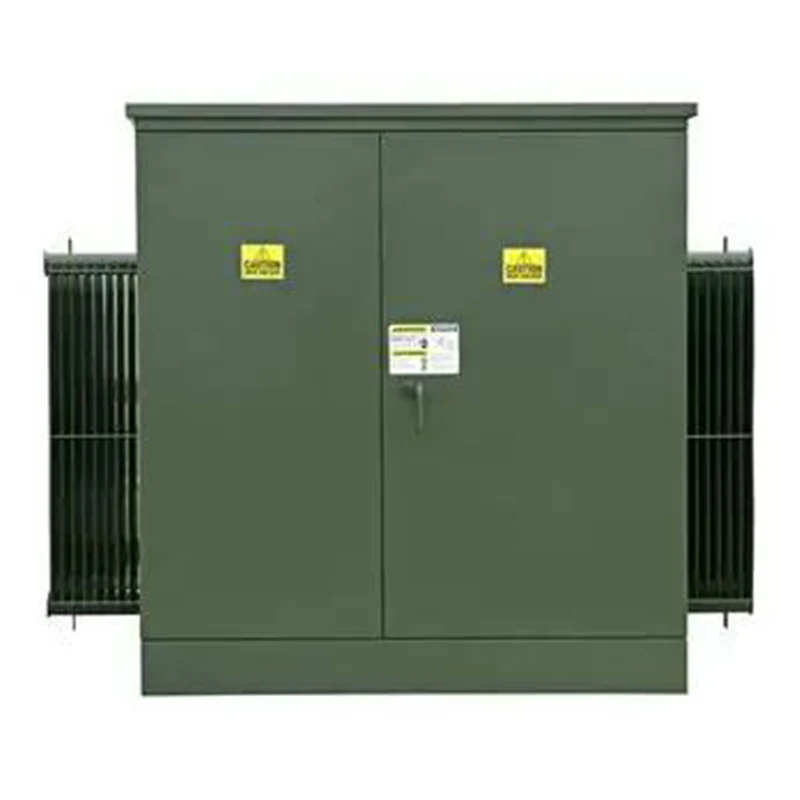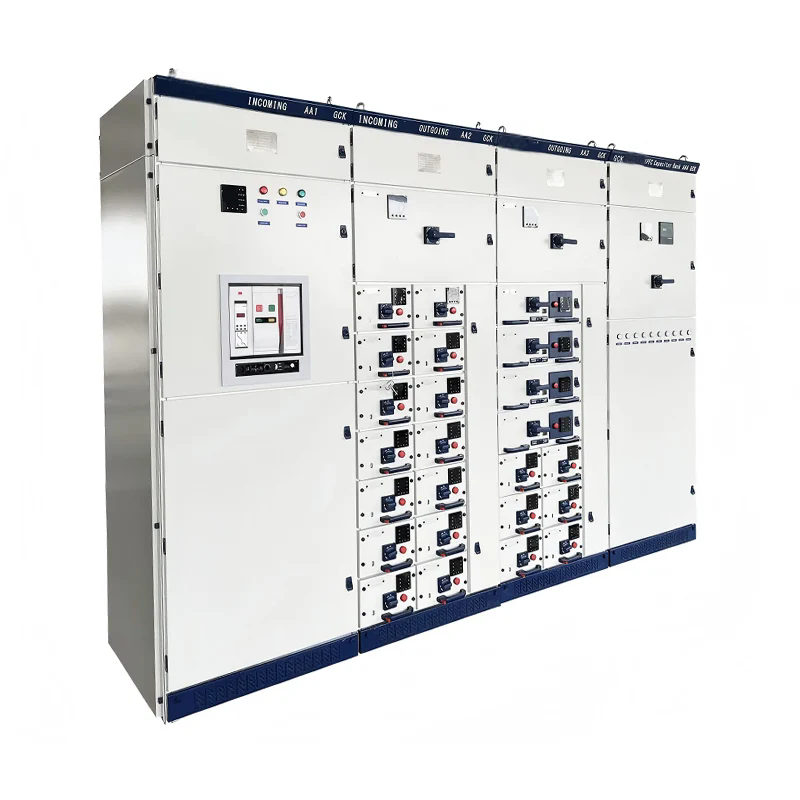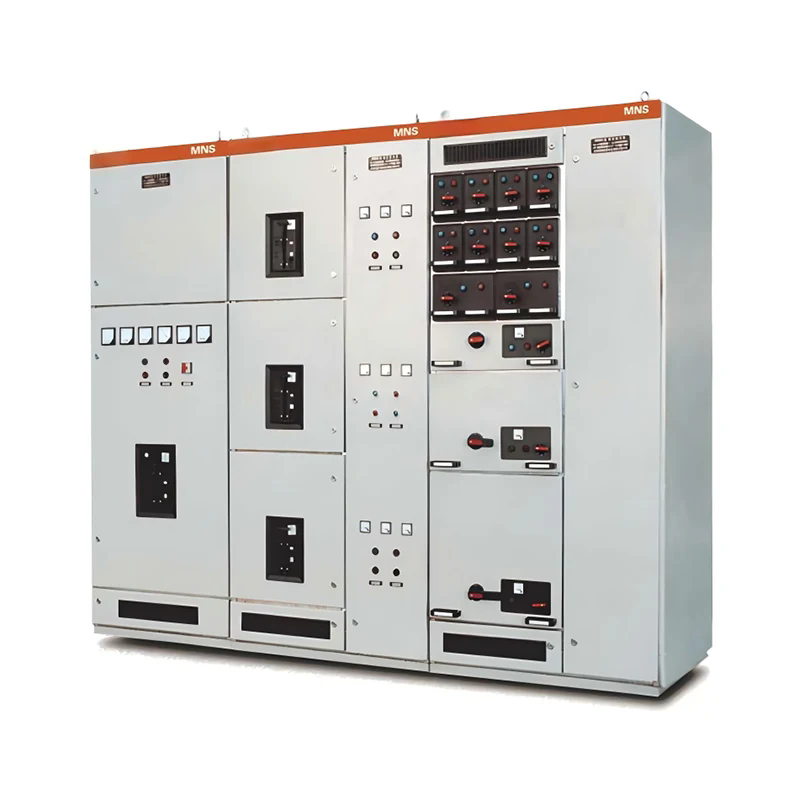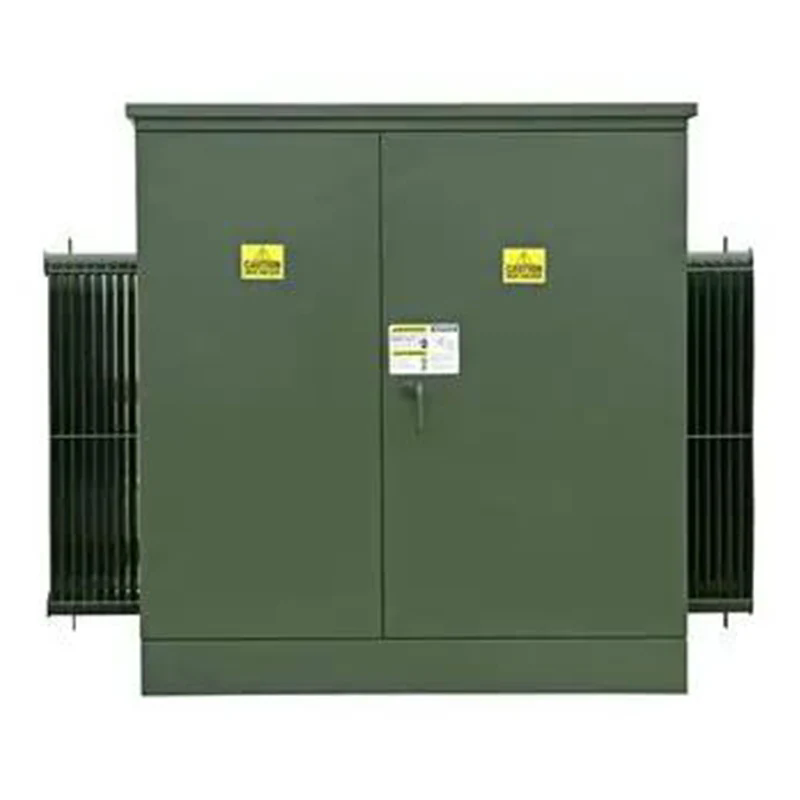
In modern electrical infrastructure, Switchgear stands as the backbone of safe power distribution, immediate fault isolation, and operational continuity. For facility managers, electrical engineers, and procurement specialists, selecting the right switchgear is not simply about choosing a metal cabinet full of circuit breakers. It is about ensuring uninterrupted productivity, safeguarding high-value equipment, and complying with evolving grid codes and safety standards. JUCEG has spent over two decades refining low-voltage and medium-voltage switchgear solutions that meet these demands across industrial plants, commercial high-rises, data centers, utility substations, and large-scale renewable energy integrations. This deep-dive guide covers the technical scope of JUCEG switchgear, its core specifications, intelligent monitoring capabilities, and the features that make it a reliable choice for mission-critical environments.
JUCEG switchgear is designed to control, protect, and isolate electrical equipment between the power source and downstream loads. The portfolio covers air-insulated, gas-insulated, and hybrid configurations for nominal voltages from 400 V up to 40.5 kV. The range is segmented into low-voltage (LV) switchgear for 690 V AC systems and medium-voltage (MV) switchgear up to 40.5 kV. Each product line is tested according to IEC 61439 and IEC 62271 standards, with type-test certificates for internal arc containment, temperature rise, short-circuit withstand, and electromagnetic compatibility.
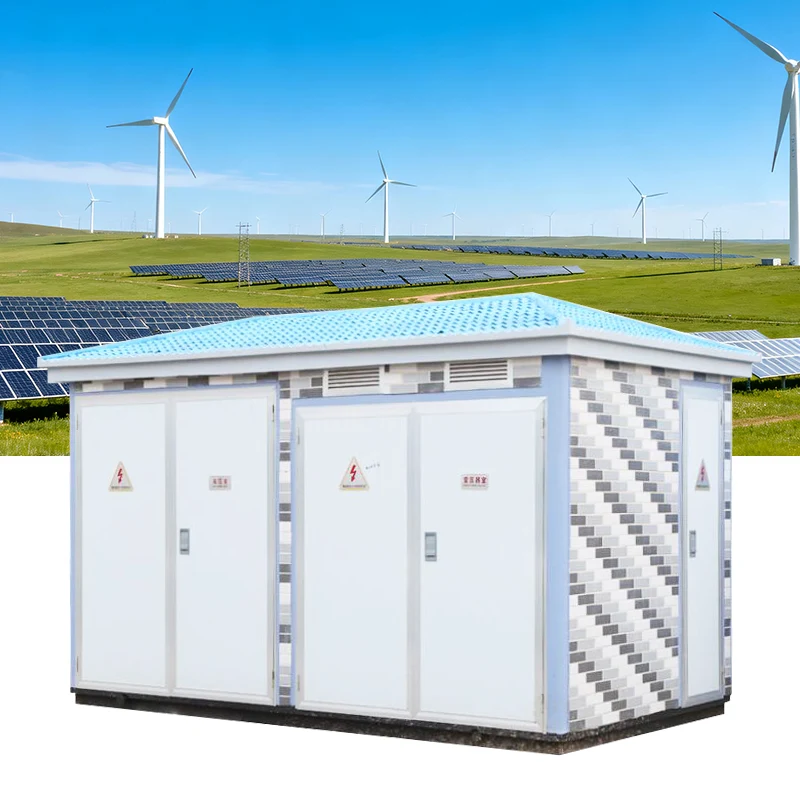
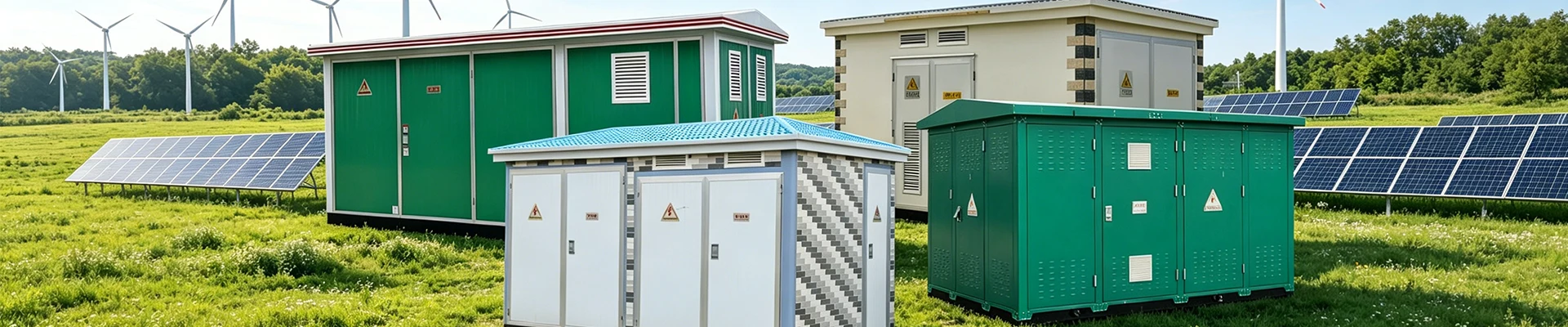
Typical deployments include main distribution boards in industrial manufacturing, automatic transfer schemes in hospitals, ring main units in secondary distribution networks, and compact transformer-substation packages in wind and solar farms. By combining modular compartmentation, selective coordination, and remote terminal unit (RTU) readiness, JUCEG switchgear allows operators to expand or reconfigure their systems without extensive downtime.
JUCEG’s involvement extends beyond equipment delivery. The engineering team collaborates during system design to create single-line diagrams, floor layout plans, and civil foundation details. Installation supervision and commissioning services ensure that the switchgear is properly mounted, busbar connections are torqued, and protection settings are coordinated with upstream and downstream devices. After commissioning, operators receive on-site training covering operational procedures, emergency handling, and maintenance routines. Long-term service agreements cover spare parts management, periodic testing, and 24/7 technical hotline support.
The life expectancy of a well-maintained JUCEG switchgear installation exceeds 30 years, supporting the sustainability goals of modern infrastructure. When upgrades are needed due to increased fault levels or grid code changes, retrofit kits and lifecycle extensions are offered to avoid the cost and waste of a full replacement.