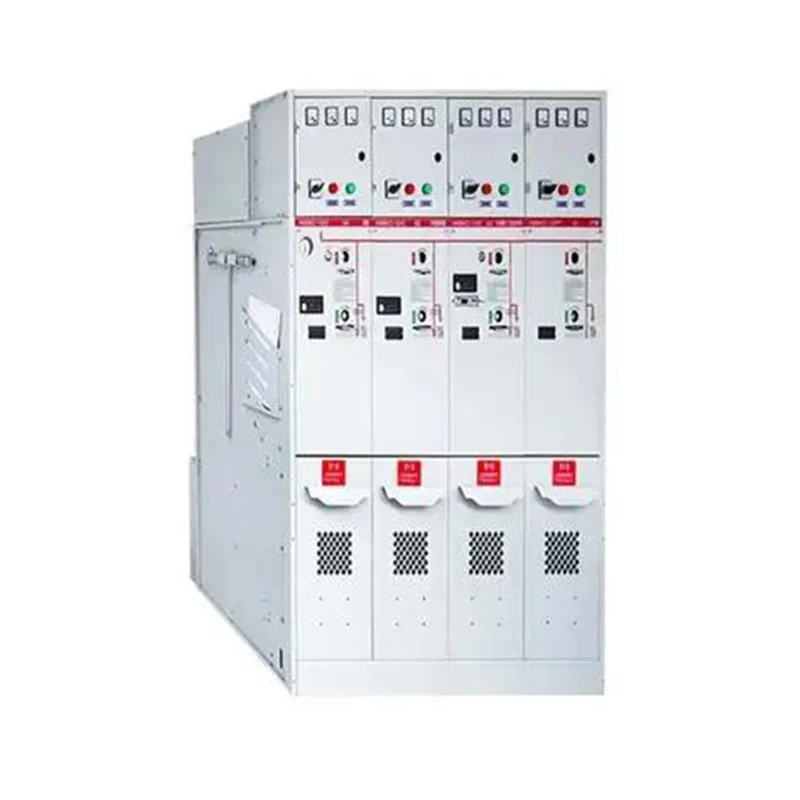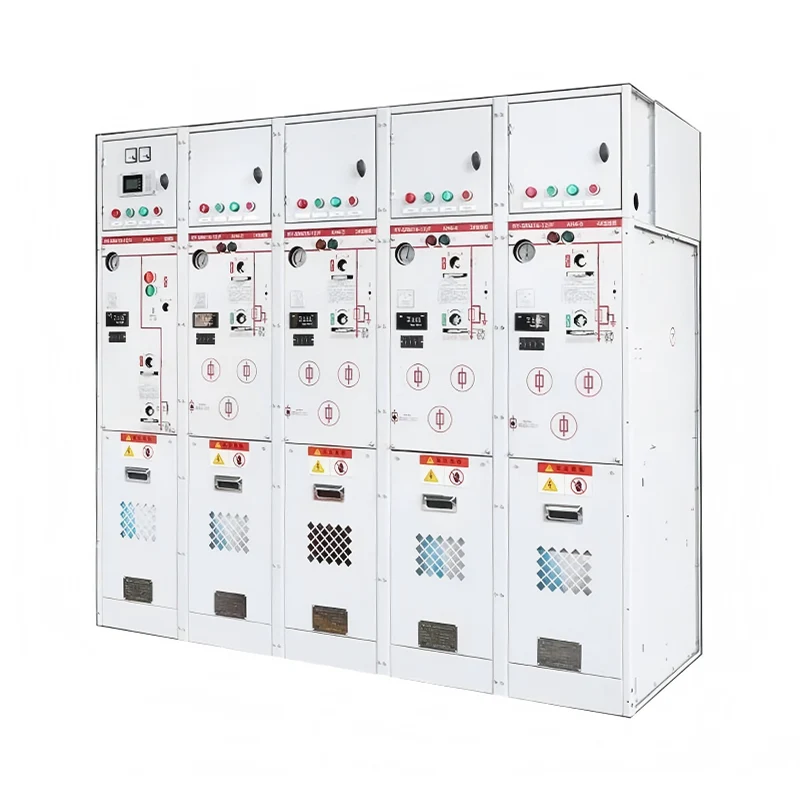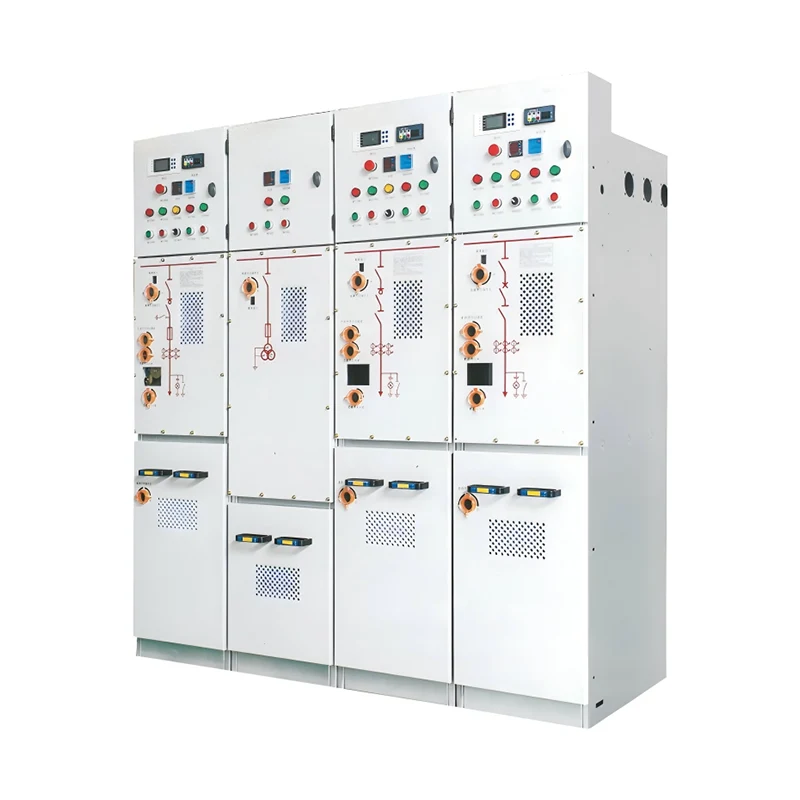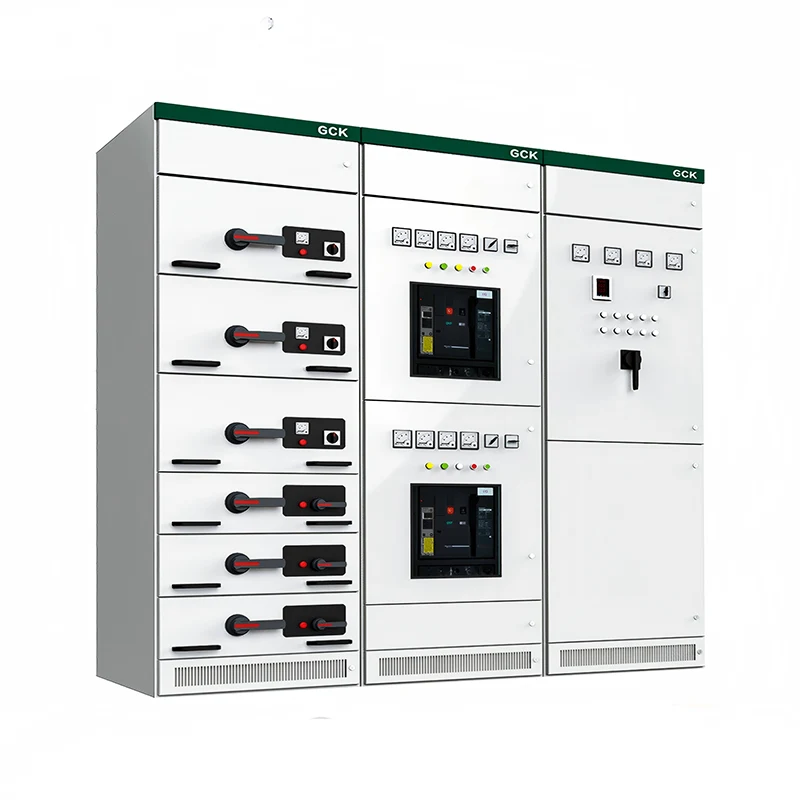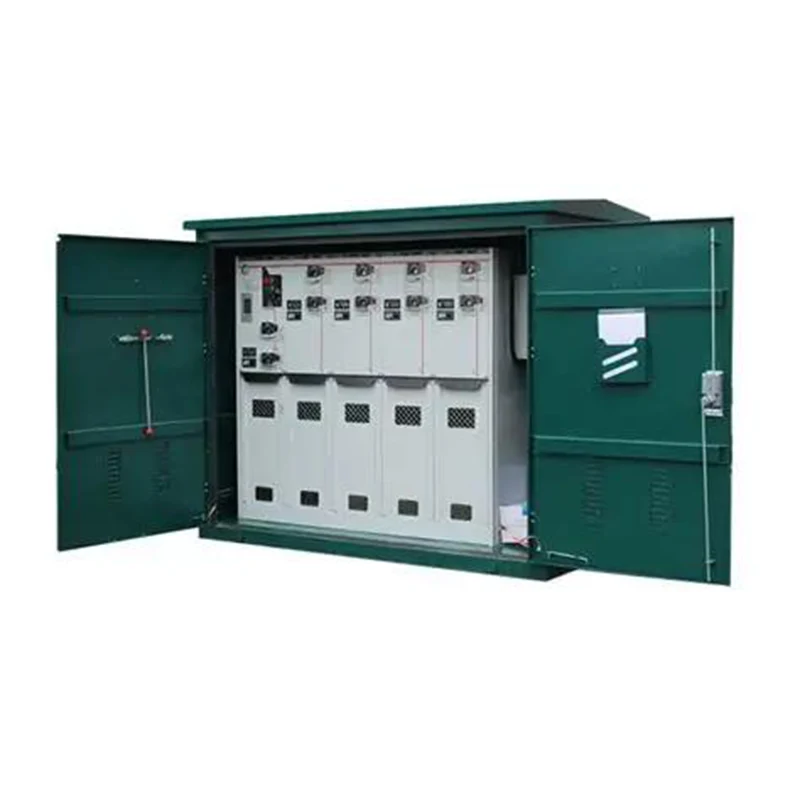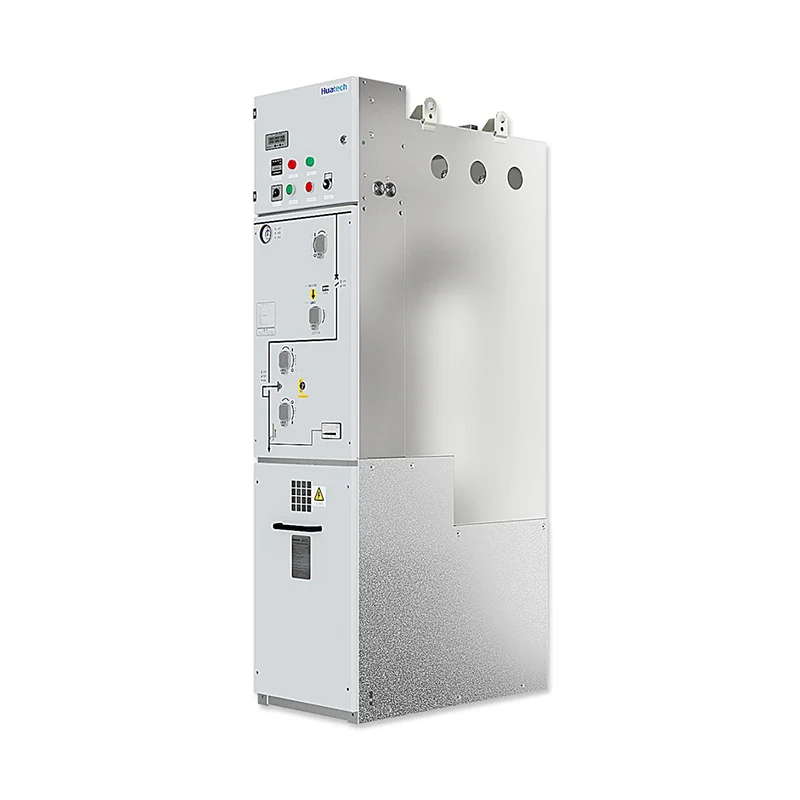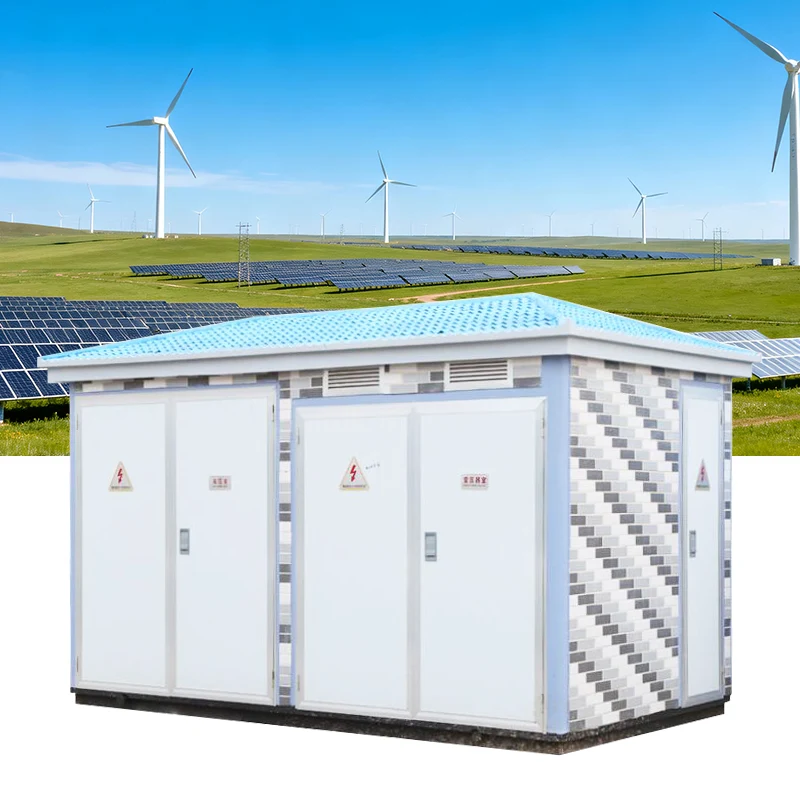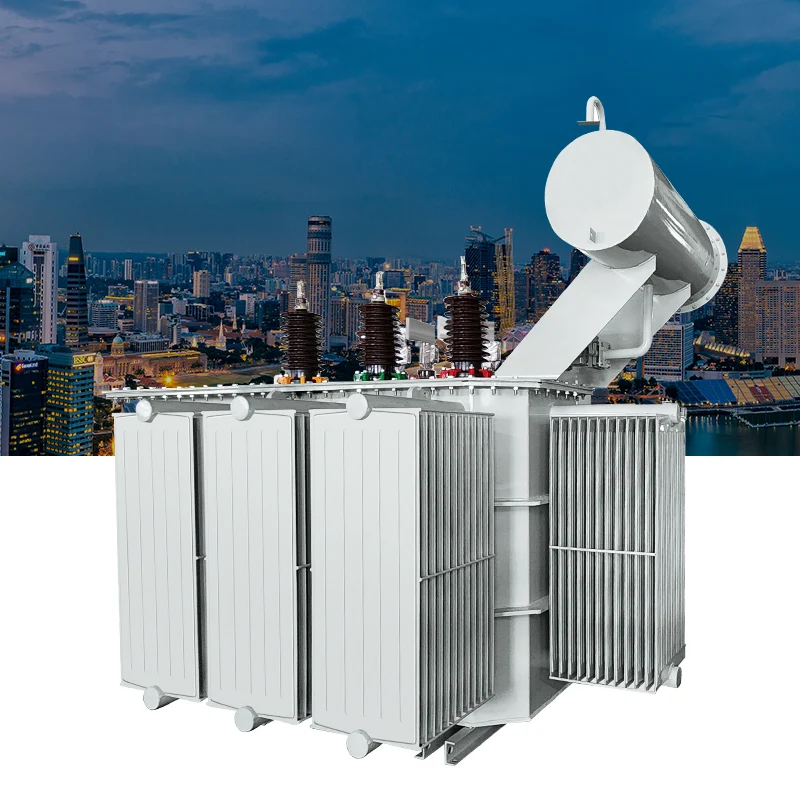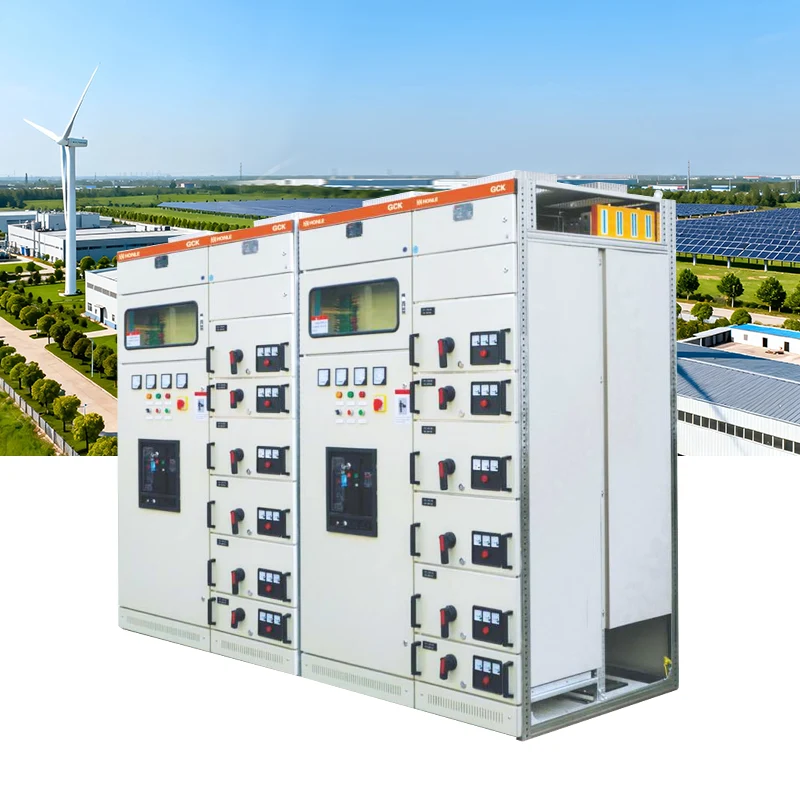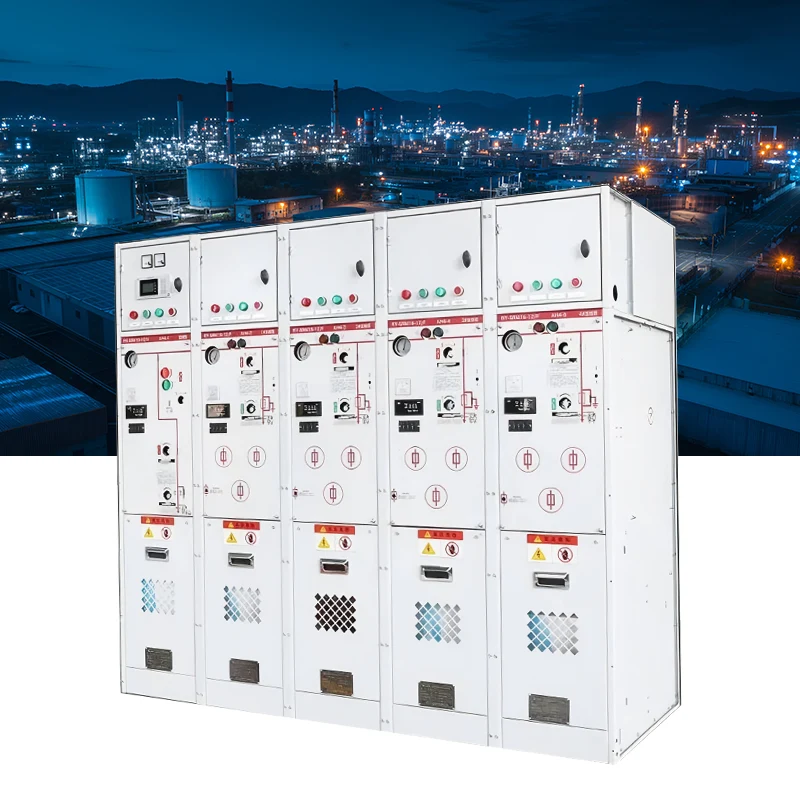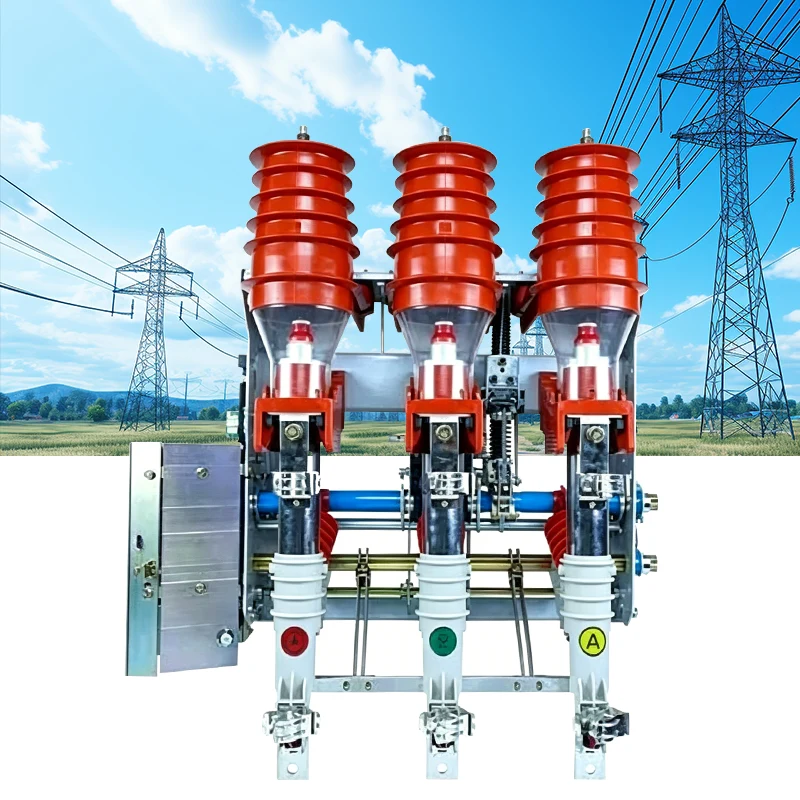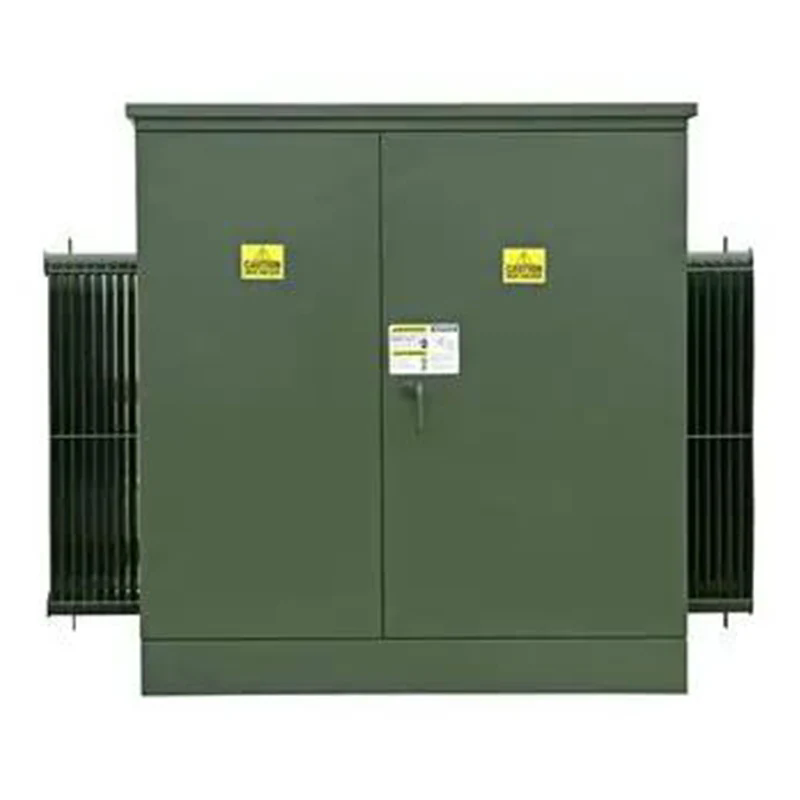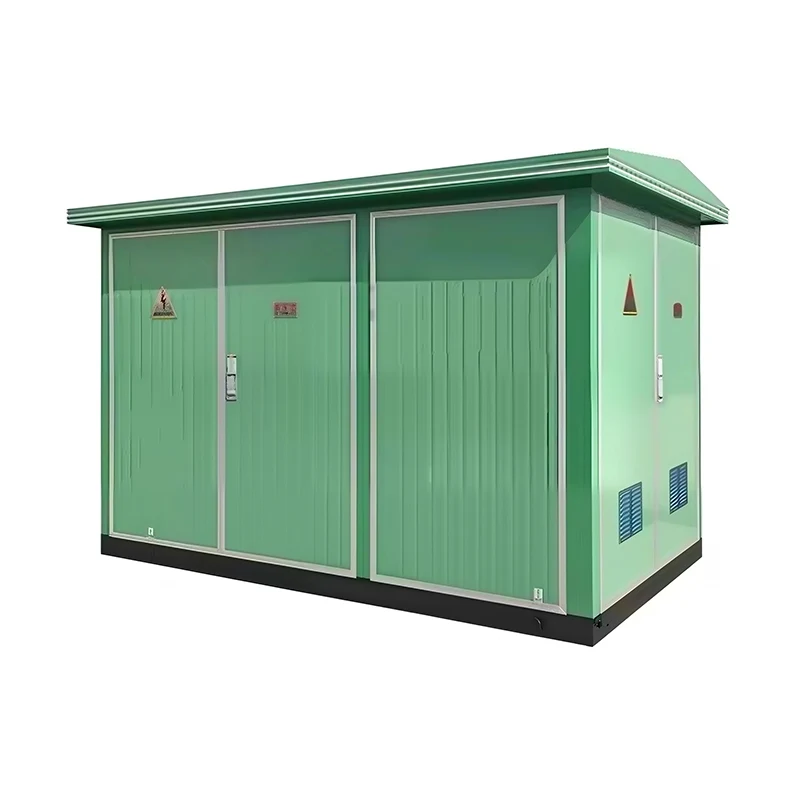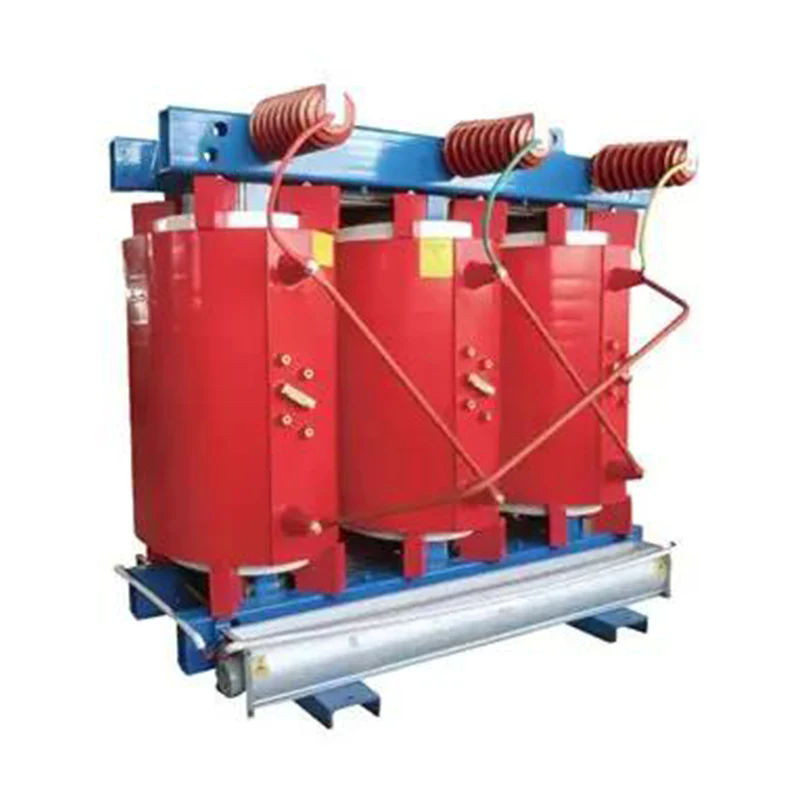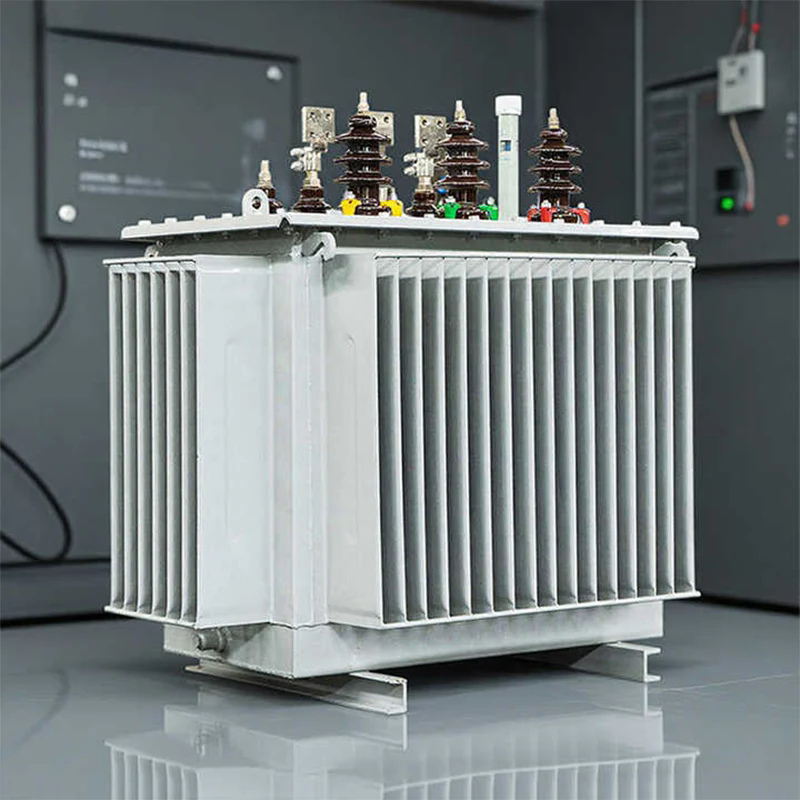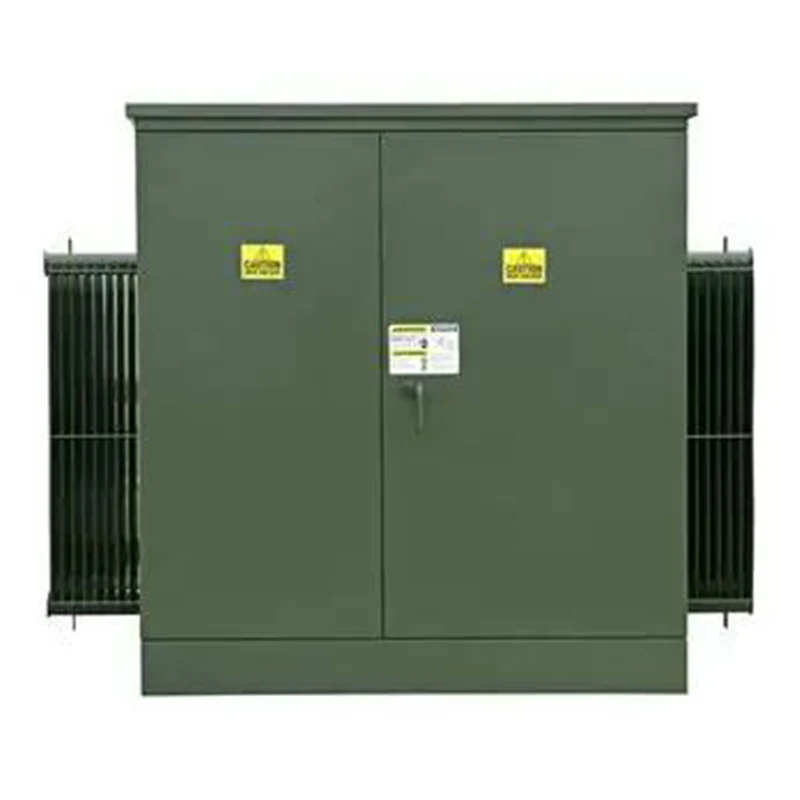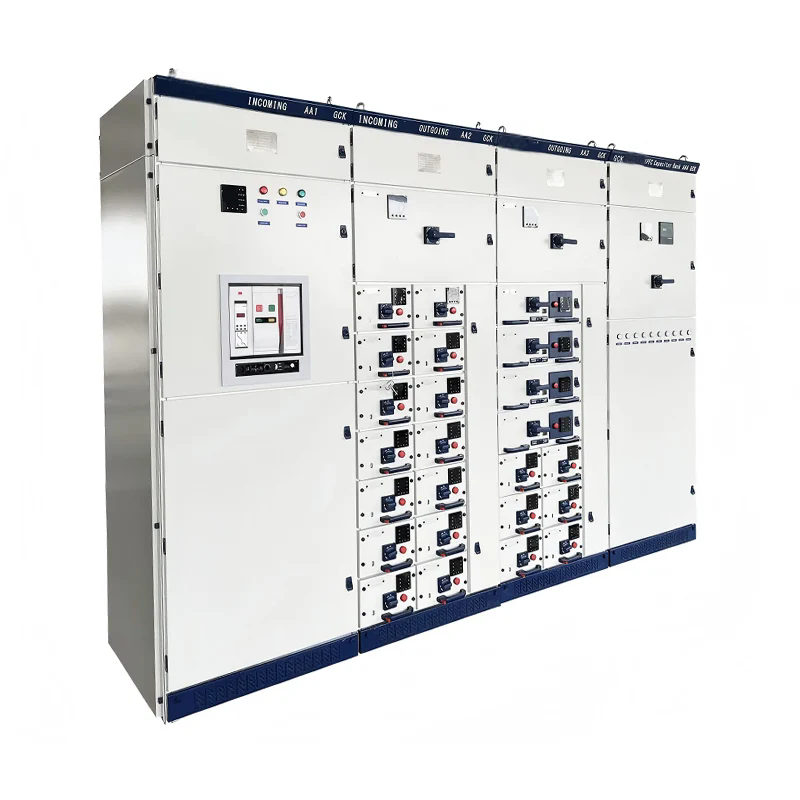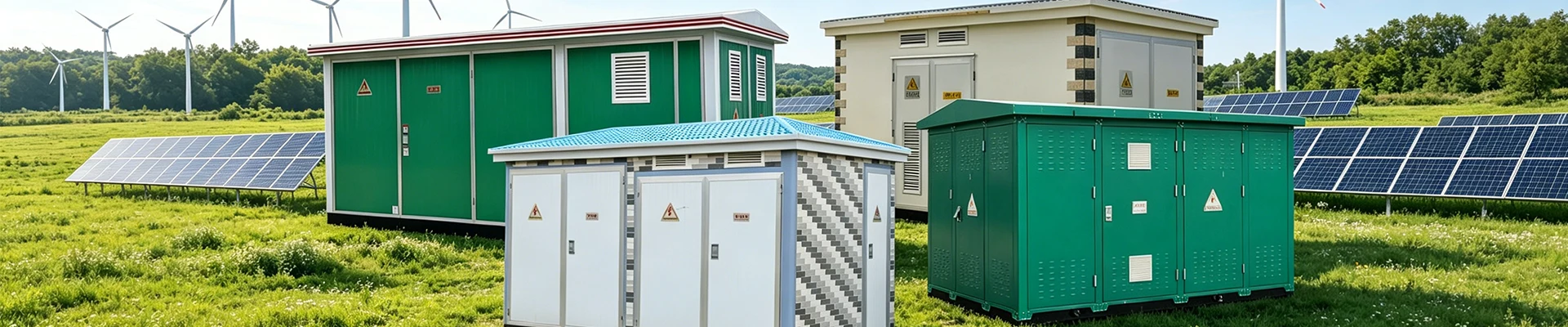
In the landscape of electrical power distribution, the Ring Main Unit emerges as a pivotal switchgear assembly that ensures continuity, safety, and operational flexibility. This compact, encapsulated system handles voltages typically between 11kV and 36kV, acting as a node within ring-type distribution topologies. Its design allows for multiple incoming and outgoing feeders, enabling load sharing, fault isolation, and network reconfiguration without prolonged outages. For utilities and industrial facilities, the ring main unit serves as a cost-effective, low-maintenance solution that integrates switching, protection, and metering functions in a single footprint, drastically reducing spatial and civil engineering demands compared to conventional air-insulated switchgear.
The ring main unit operates by interfacing two or more radial circuits into a closed loop, where power can flow in either direction. Under normal conditions, the ring is split at an open point to manage voltage drops and load balancing. When a fault occurs, the unit's protection devices automatically isolate the affected segment, and the ring is reconfigured to restore supply from an alternative path. This inherent redundancy minimizes downtime and is fundamental to modern smart grids. JUCEG ring main unit designs leverage advanced insulating media such as SF6 gas or eco-friendly dry solid compounds, achieving compact dimensions while maintaining high dielectric strength and arc-quenching capabilities.
Selection starts with defining the network voltage level, fault level, and required switching pattern. For underground residential distribution, a typical JUCEG ring main unit with 3-way configuration suffices—two ring switches (load break switches) and one tee-off protecting a distribution transformer via fuses or a circuit breaker. For industrial loops, add motorized actuators and SCADA compatibility. Verify submersible rating if the unit will be installed in a vault prone to flooding; JUCEG offers IP68 sealed units tested for 72 hours under 3 meters of water. Short-circuit analysis confirms that the 25kA/3s rating matches the grid's prospective fault current. Consider future expansion loops by opting for a 4-way or 5-way busbar layout with spare ways capped with insulating plugs.
Retrofitting is feasible depending on the original design. JUCEG ring main units with a modular accessory compartment accept aftermarket motor operators and remote terminal units (RTUs). Adding a communication module, such as a 4G LTE gateway, enables remote switching, load current monitoring, and fault passage indication. If the unit lacks auxiliary contacts, external Rogowski coils or split-core CTs can be clamped onto cable terminations without disrupting the primary circuit. For voltage measurement, capacitive dividers or LV compartment retrofits are available. A site survey by JUCEG engineers identifies the optimal approach, ensuring compliance with cybersecurity standards like IEC 62351 for secure data transmission.
Safety begins with insulated and earthed enclosures that provide a touch-safe exterior even during internal arcing. Internal arc fault containment tested to IAC AFLR class ensures gas ducting and relief flaps direct pressure away from personnel. Visual voltage indicators on each way confirm dead conditions before cable access. Mechanical interlocks prevent switching errors—the earthing switch cannot close unless the load break switch is open, and vice versa. Padlock and key lock provisions enable LOTOTO procedures. JUCEG solid-insulated ring main unit designs eliminate gas-related risks altogether, using vacuum interrupters embedded in epoxy resin, rendering the unit eco-friendly and maintenance-free throughout its life cycle.