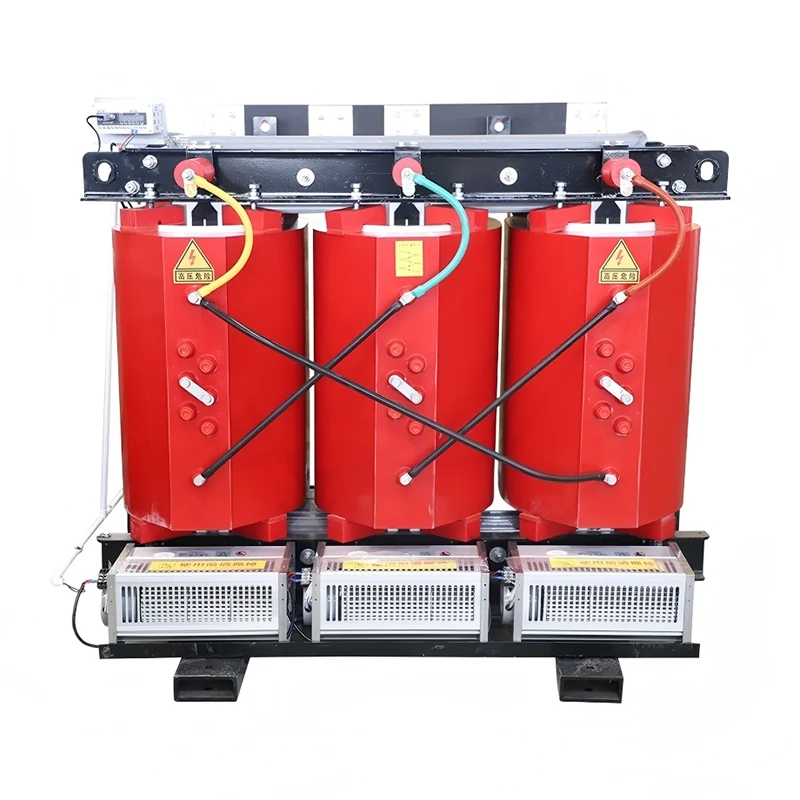
Modern power systems require reliable, energy-efficient, and durable transformer solutions to ensure stable electricity transmission across industrial plants, commercial buildings, renewable energy stations, and utility grids. An Oil lmmersed Transformer is widely recognized for its superior cooling capability, long operational lifespan, and excellent overload performance.
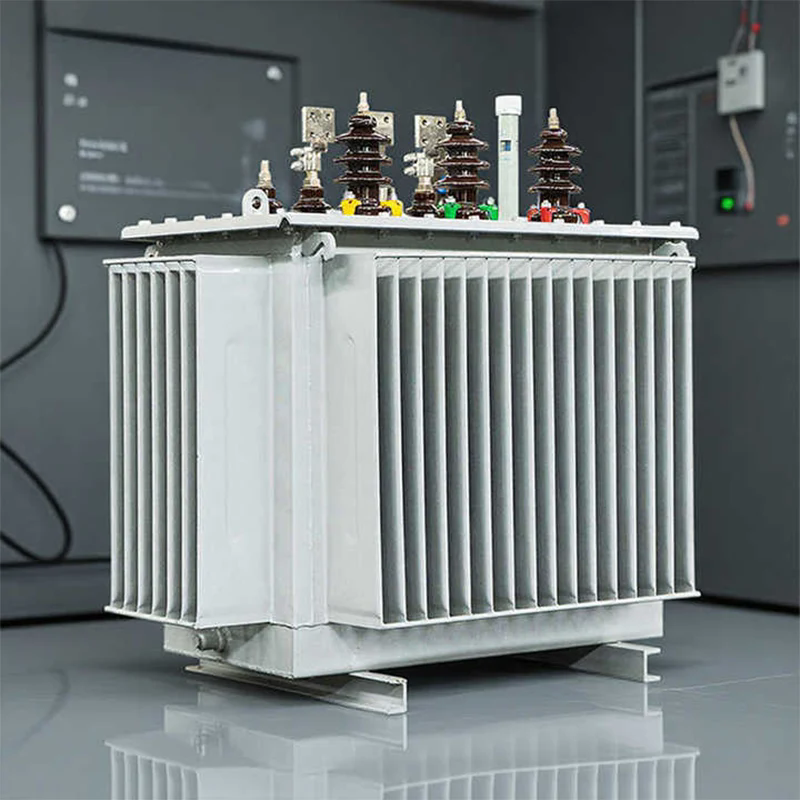
Compared with dry-type transformers, oil immersed models offer better heat dissipation and higher insulation strength, making them ideal for demanding environments and continuous heavy-load applications. In this article, we will explore how oil immersed transformers work, their advantages, common customer concerns, maintenance requirements, and how to choose the right transformer for your project.
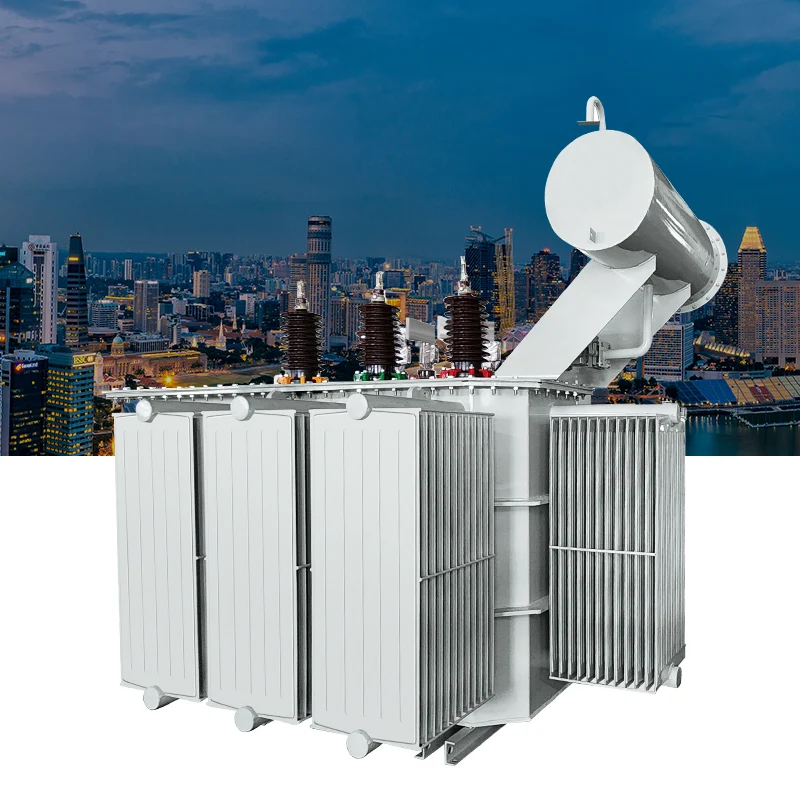
An Oil lmmersed Transformer is an electrical transformer that uses insulating mineral oil or environmentally friendly insulating fluid for cooling and electrical insulation. The transformer core and windings are fully immersed in oil inside a sealed tank.
During operation, electrical energy passing through the windings generates heat. The insulating oil absorbs this heat and transfers it to the radiator or cooling system, preventing overheating and ensuring stable performance.
Oil immersed transformers are commonly used in:
The operating principle of an oil immersed transformer is based on electromagnetic induction. When alternating current flows through the primary winding, it creates a magnetic field in the transformer core. This magnetic field induces voltage in the secondary winding, enabling voltage transformation between different power levels.
The insulating oil plays two critical roles:
This dual-function design significantly improves operational reliability and efficiency under continuous load conditions.
| Component | Function |
|---|---|
| Core | Transfers magnetic flux efficiently |
| Windings | Conduct electrical current for voltage conversion |
| Transformer Oil | Provides insulation and cooling |
| Radiator | Dissipates heat from the oil |
| Conservator Tank | Accommodates oil expansion and contraction |
| Buchholz Relay | Detects internal faults and gas accumulation |
| Tap Changer | Adjusts output voltage levels |
Many customers choose oil immersed transformers because of their long-term reliability and cost efficiency. Below are some of the major advantages.
| Feature | Oil lmmersed Transformer | Dry-Type Transformer |
|---|---|---|
| Cooling Method | Insulating oil cooling | Air cooling |
| Heat Dissipation | Excellent | Moderate |
| Overload Capacity | High | Lower |
| Maintenance | Requires oil inspection | Lower maintenance |
| Application Environment | Outdoor and industrial use | Indoor installations |
| Initial Cost | Generally lower for high capacity | Higher for large capacity |
Customers often worry about transformer reliability and maintenance costs. Understanding common issues can help minimize downtime and improve operational safety.
| Problem | Possible Cause | Recommended Solution |
|---|---|---|
| Oil Leakage | Aging seals or welding defects | Inspect seals and repair leakage points |
| Overheating | Overload or blocked cooling system | Reduce load and clean radiators |
| Moisture Contamination | Poor sealing or humid environment | Perform oil testing and dehydration |
| Abnormal Noise | Loose components or core vibration | Conduct internal inspection |
| Insulation Failure | Aging oil or excessive temperature | Replace or filter transformer oil |
Oil immersed transformers are widely used in industries requiring continuous and stable power supply.
Their robust structure and strong cooling capability make them highly suitable for harsh outdoor environments and heavy-duty operations.
Selecting the correct transformer is essential for long-term system stability and operational efficiency. Buyers should evaluate the following factors carefully:
Regular maintenance significantly extends transformer lifespan and improves operational safety.
Preventive maintenance reduces unexpected downtime and minimizes expensive repairs.
JUCEG specializes in high-quality transformer manufacturing solutions designed for modern power distribution systems. With extensive industry experience and advanced production technology, JUCEG provides reliable oil immersed transformers for industrial, commercial, and utility applications worldwide.
Key advantages of JUCEG include:
JUCEG focuses on delivering dependable transformer systems that help customers improve energy efficiency, reduce operational risks, and ensure long-term electrical reliability.
What is the lifespan of an Oil lmmersed Transformer?
With proper maintenance, oil immersed transformers can typically operate for 25 to 40 years or longer.
Is transformer oil dangerous?
Transformer oil must be handled correctly, but modern systems include safety protection features to minimize risks.
How often should transformer oil be tested?
Oil testing is generally recommended annually, although high-load environments may require more frequent inspections.
Can oil immersed transformers be installed outdoors?
Yes. They are specifically designed for outdoor and industrial environments with durable protective structures.
What causes transformer overheating?
Common causes include overload conditions, inadequate cooling, blocked radiators, and insulation deterioration.
Oil immersed transformers remain one of the most reliable and efficient solutions for modern electrical power distribution systems. Their superior cooling capability, strong insulation performance, and long service life make them an ideal choice for industrial facilities, substations, renewable energy projects, and commercial infrastructure.
Choosing a high-quality transformer supplier is essential for ensuring operational safety and long-term performance. JUCEG provides professional transformer solutions tailored to different application requirements and industry standards.
If you are looking for dependable transformer products with excellent technical support and competitive pricing, contact us today to learn how JUCEG can support your next power distribution project.