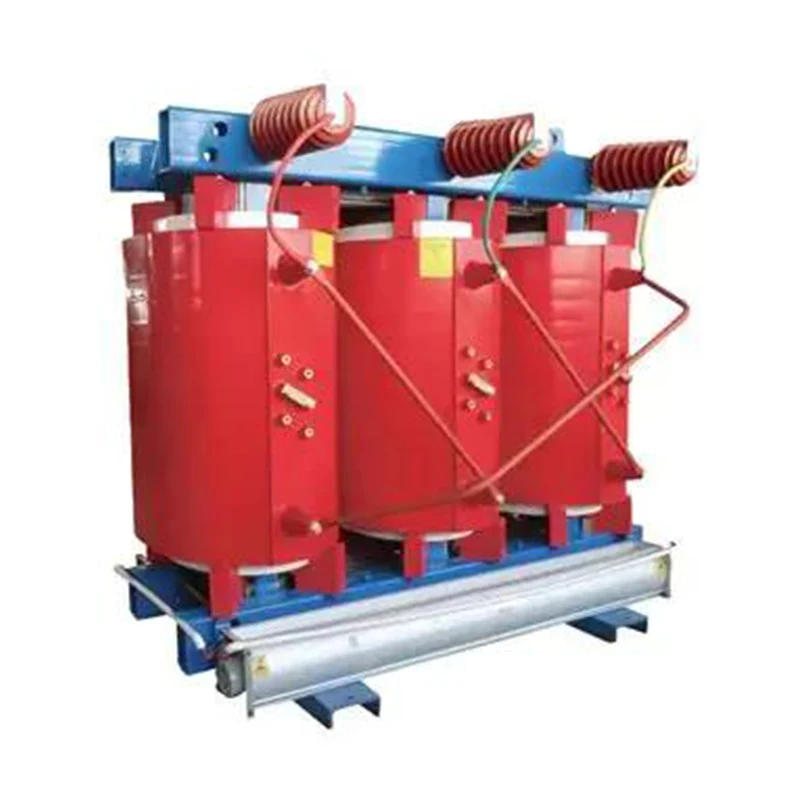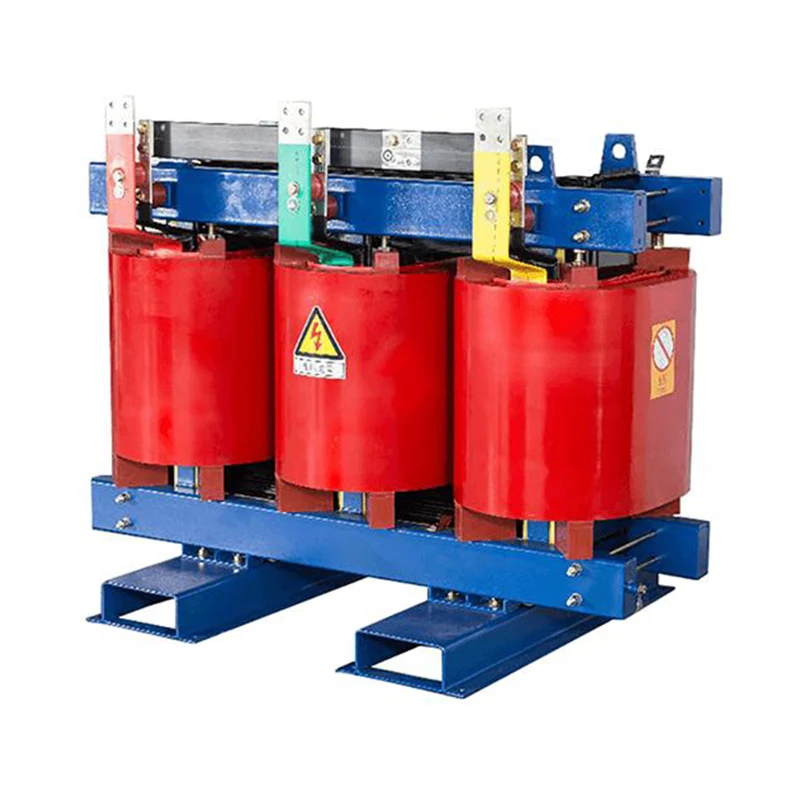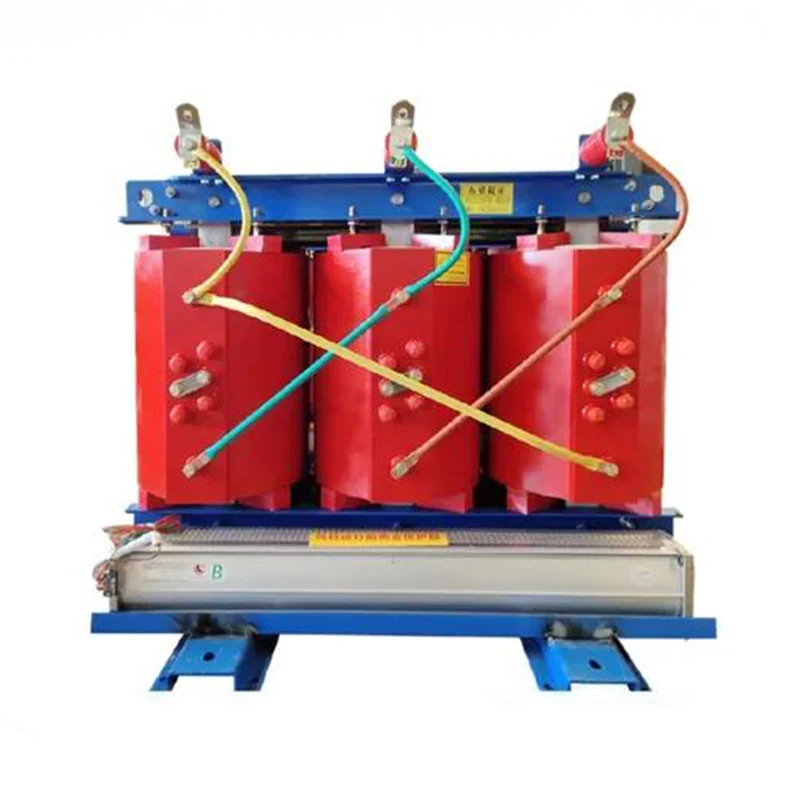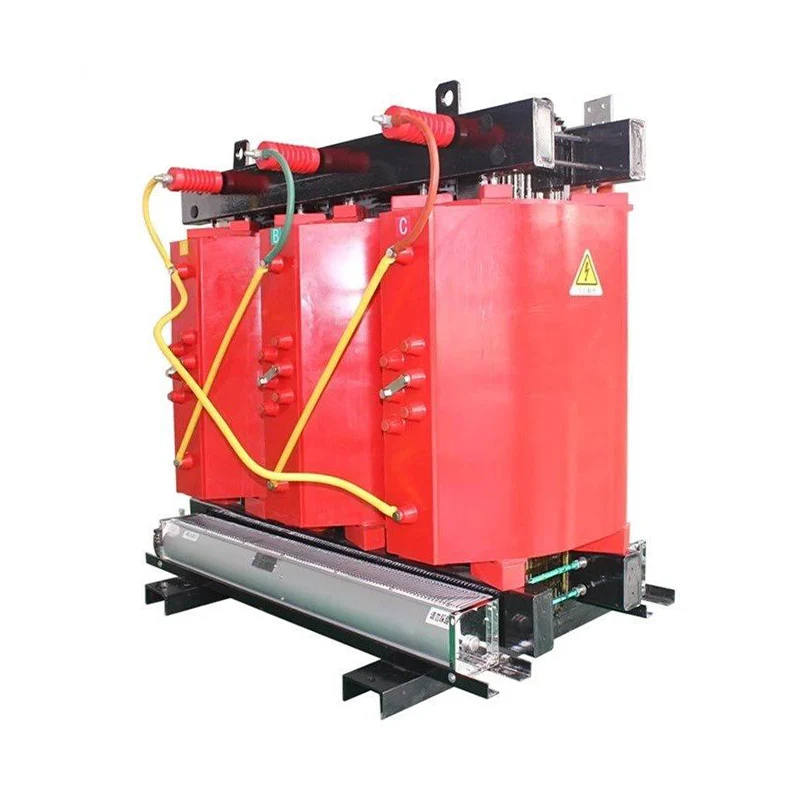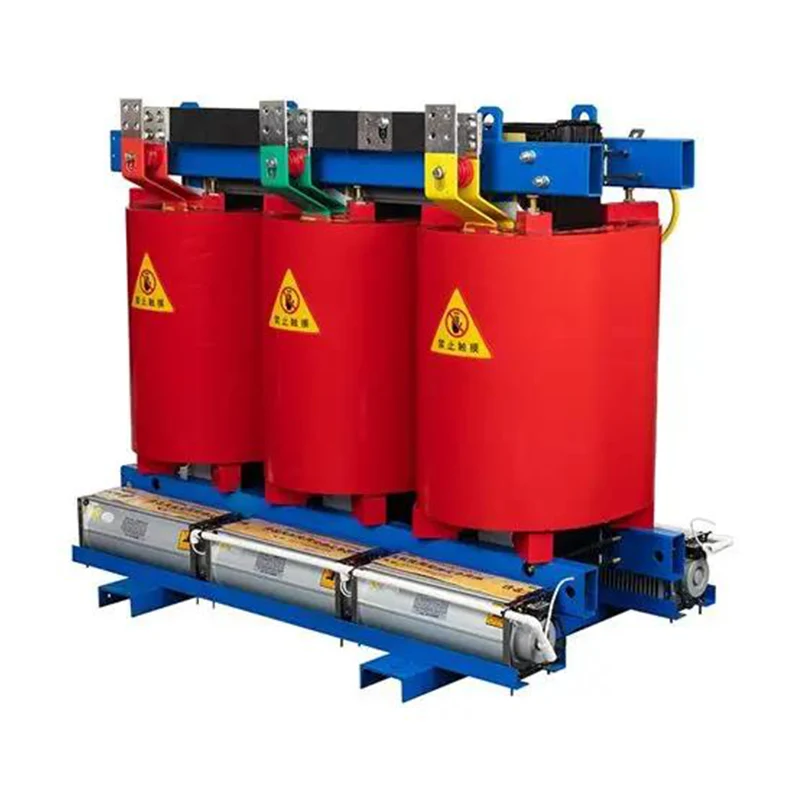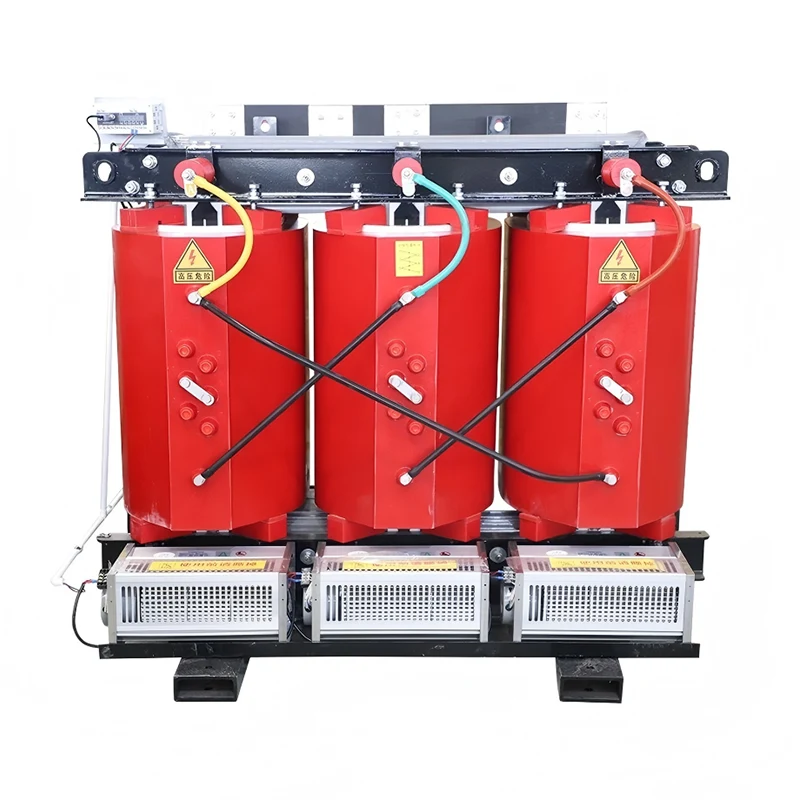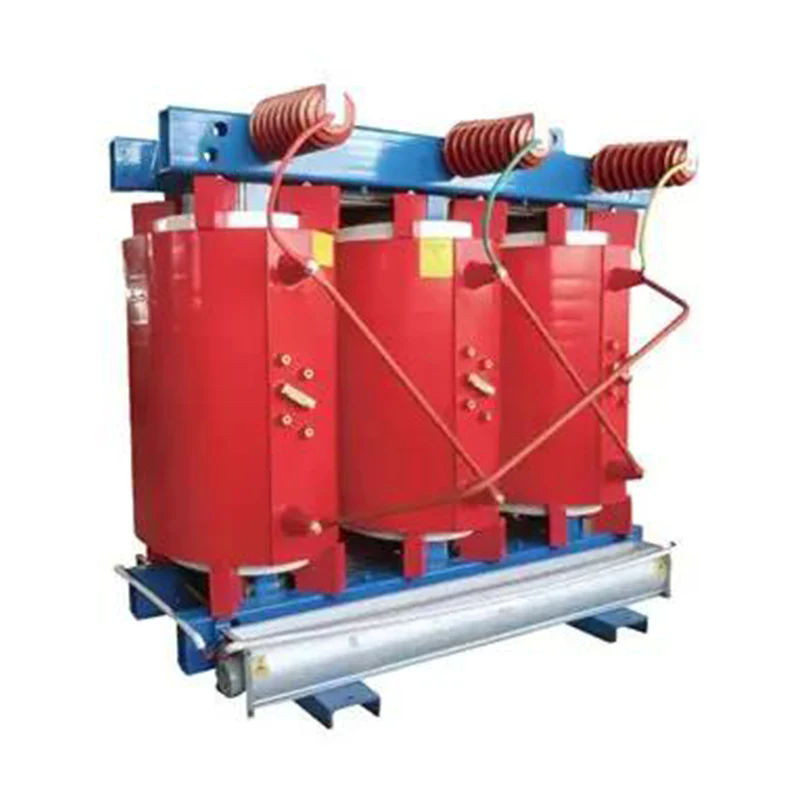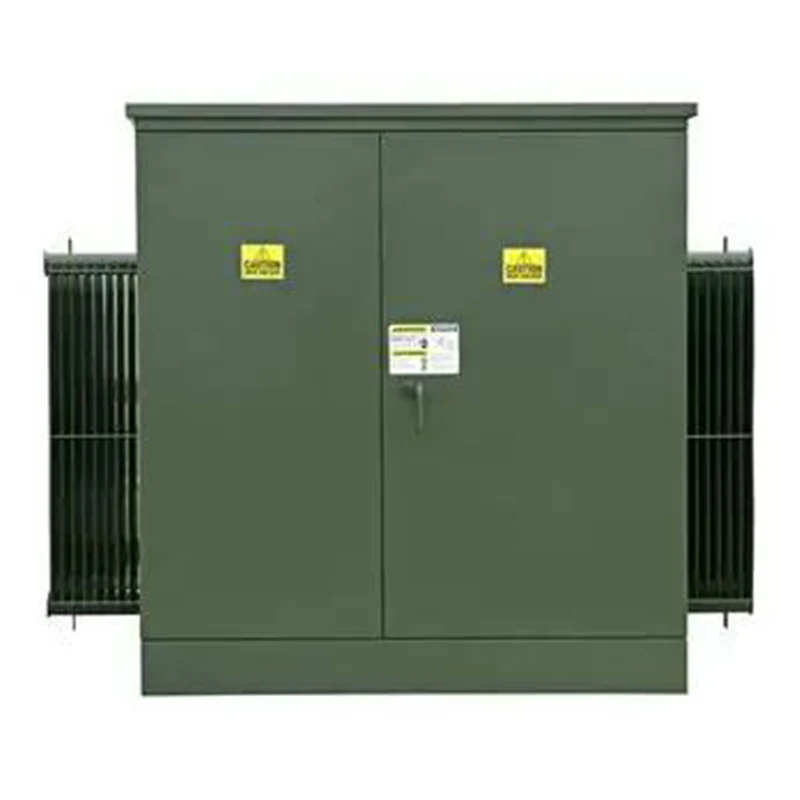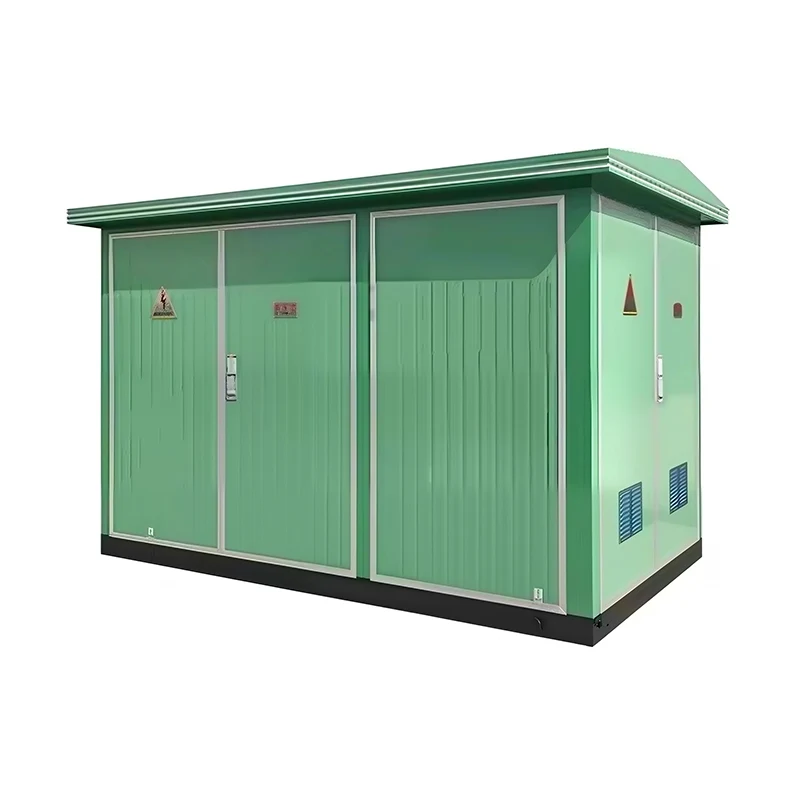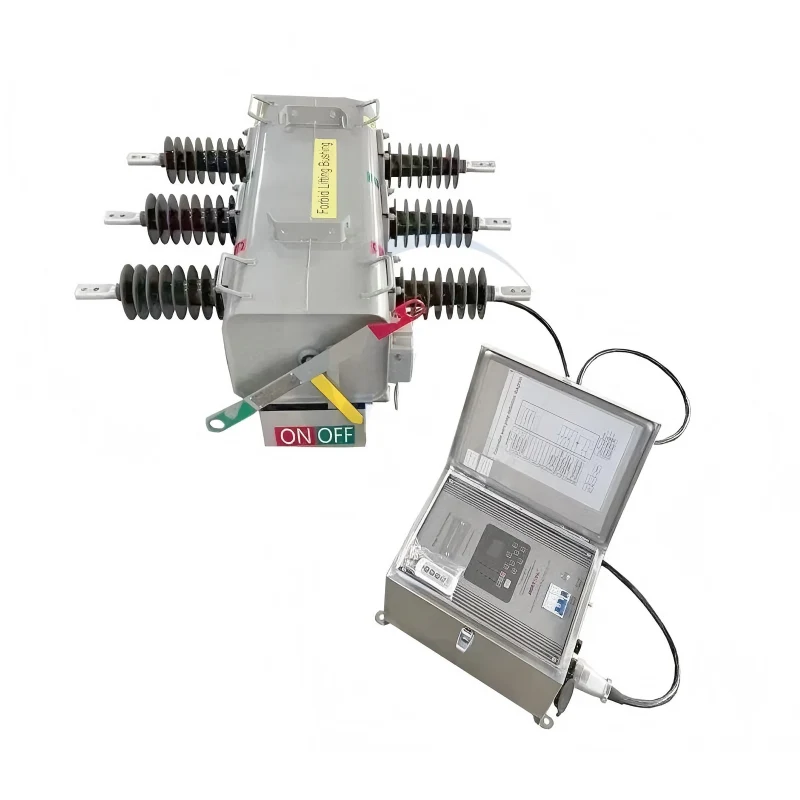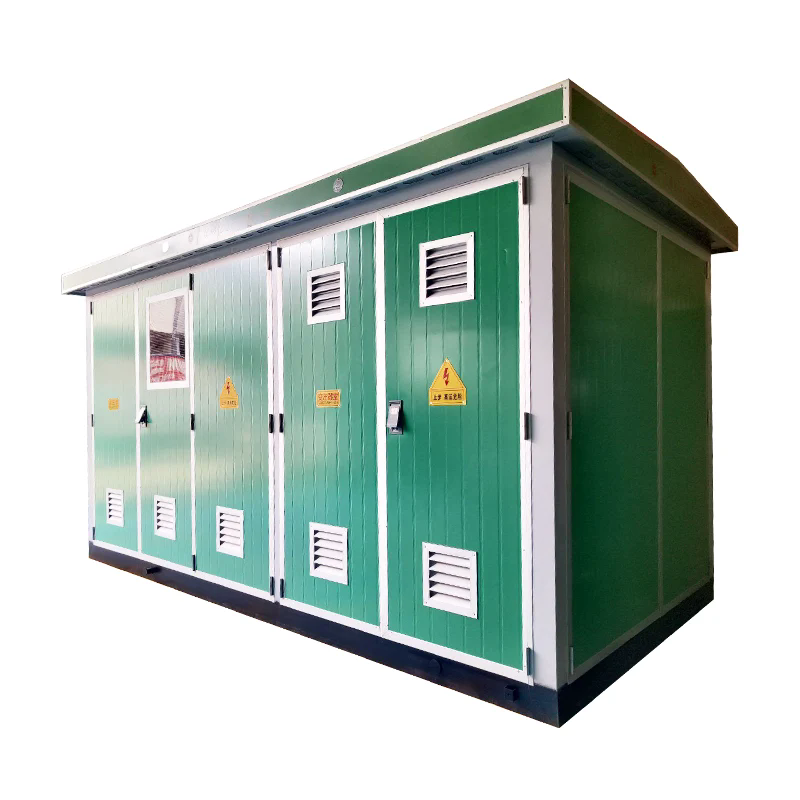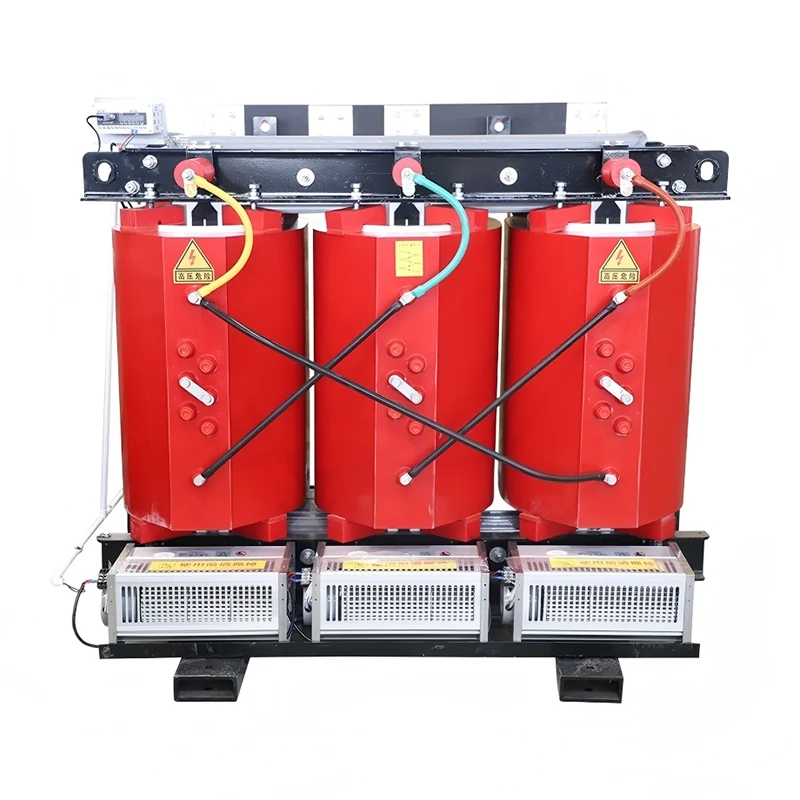
A dry type transformer is an electrical power transformer that utilizes air or solid insulation materials for dielectric strength and cooling instead of combustible liquids. By eliminating oil or synthetic fluid, this design dramatically reduces fire and environmental hazards, making it the preferred solution for indoor installations, high-rise buildings, data centers, public infrastructure, and any location where safety regulations are stringent. JUCEG has refined dry type transformer engineering over a track record spanning two decades, integrating advanced thermal modelling, premium insulation systems, and fully automated winding techniques to deliver products that excel in both performance and durability.
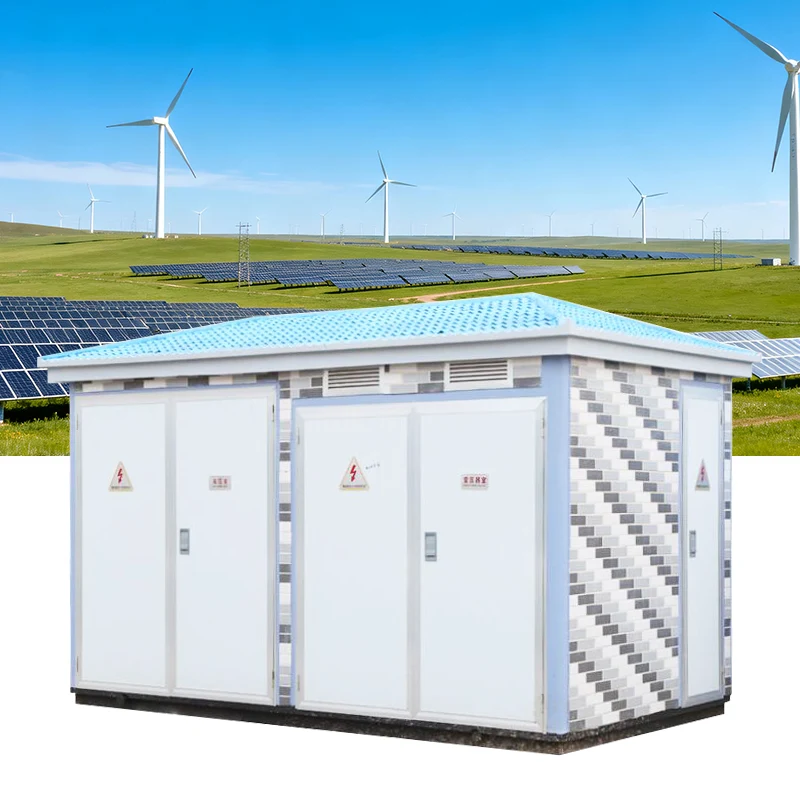
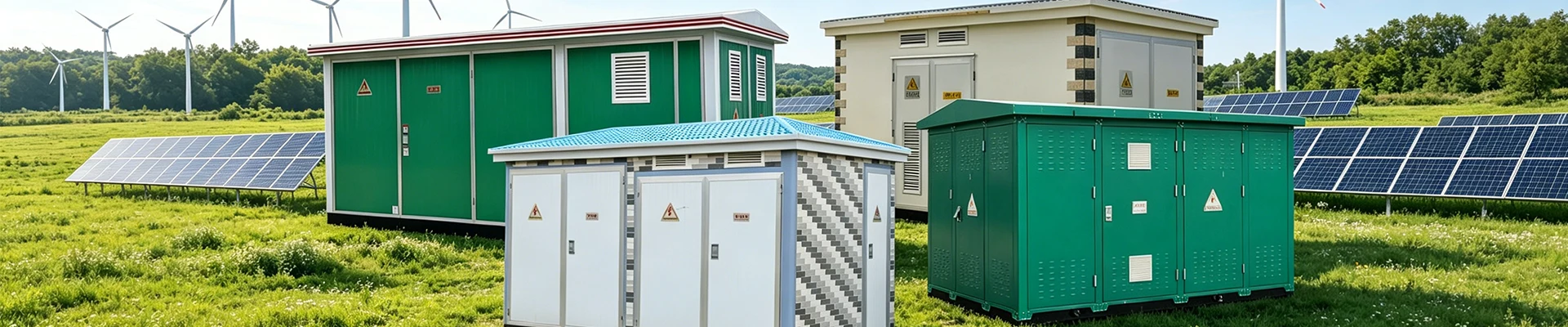
JUCEG dry type transformers are deployed across a diverse range of sectors. In commercial buildings they supply power to HVAC, lighting, and elevator systems while meeting fire‑code restrictions. Hospitals rely on them for critical life‑safety circuits where zero oil is mandated. Data centres utilize multiple units in parallel for scalable, resilient power distribution. Industrial plants integrate them close to manufacturing lines, often in dust‑laden or high‑humidity zones, thanks to sealed enclosure options. Renewable energy installations, such as solar farms and wind turbine step‑up stations, benefit from their ability to handle harmonic‑rich inverter loads when specified with appropriate K‑factor ratings. Transport infrastructure—airports, rail traction substations, and metro networks—depends on their ruggedness and minimal maintenance.
Standard designs assume an average ambient of 30°C and a maximum of 40°C. If the installation environment exceeds these values, the transformer must be de‑rated according to IEC 60076‑11 curves. JUCEG can supply units with higher‑temperature insulation (Class C) or extra cooling airflow that compensate for ambient temperatures up to 55°C without decreasing the nominal rating.
Yes, with appropriate enclosure and winding protection. JUCEG offers sealed IP54 enclosures with gasketed doors and anti‑condensation heaters for high‑humidity locations. For coastal areas with salt spray, an epoxy‑painted enclosure with stainless‑steel hardware and encapsulated windings prevents corrosion. Windings vacuum‑impregnated with epoxy are inherently resistant to moisture ingress, and periodic insulation resistance measurements confirm the health of the insulation.
AN (Air Natural) cooling relies solely on natural convection to dissipate heat, which yields the base kVA rating. AF (Air Forced) cooling adds external fans that increase the heat removal rate, allowing the same transformer to carry 33% to 50% more load continuously. The fans can be controlled automatically by the temperature monitoring system, switching on when winding temperature reaches a set point and off when it drops, thus saving energy during light load periods.
When the load includes variable‑speed drives, rectifiers, or UPS systems, the harmonic currents generate additional winding losses and hot spots. The solution is to select a K‑factor rated transformer that is designed with larger neutral conductors, parallel winding strands, and magnetic shielding to handle the extra heating without de‑rating. JUCEG engineers analyze the harmonic spectrum of your load and recommend a K‑4, K‑13, or K‑20 unit, ensuring that total harmonic distortion does not exceed the transformer’s thermal capability.
Absolutely. In addition to IEC 60076‑11, JUCEG manufactures in accordance with IEEE C57.12.01 and CSA C9 for installations in the United States and Canada. The production lines are UL listed for specific ratings, and the transformers can carry the cULus mark. We perform mandatory dielectric tests, 60 Hz one‑minute withstand, and impulse tests as dictated by ANSI/IEEE standards. Documentation packages support AHJ submittals and field inspections.