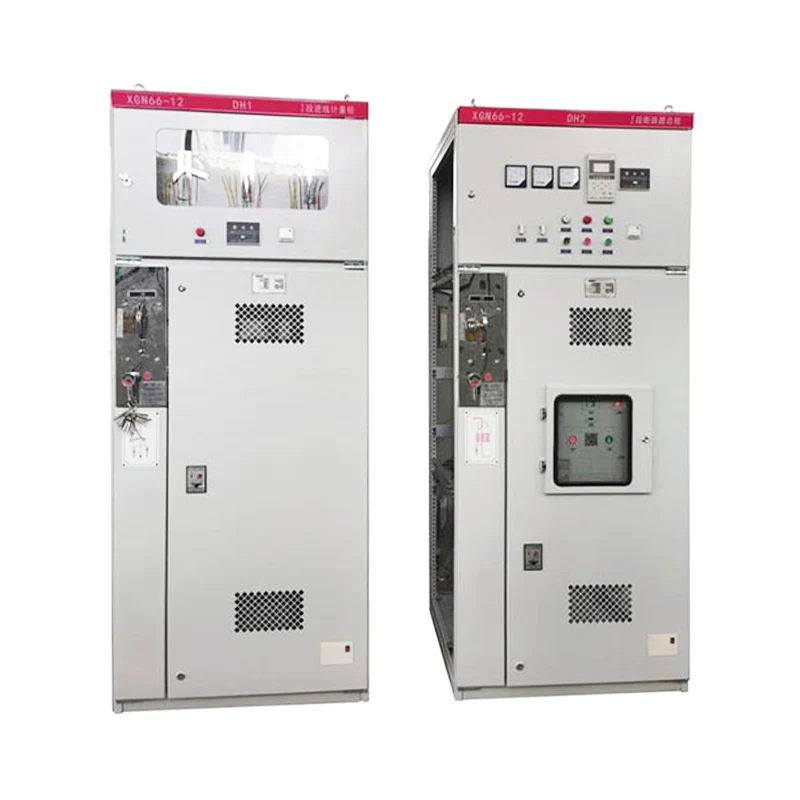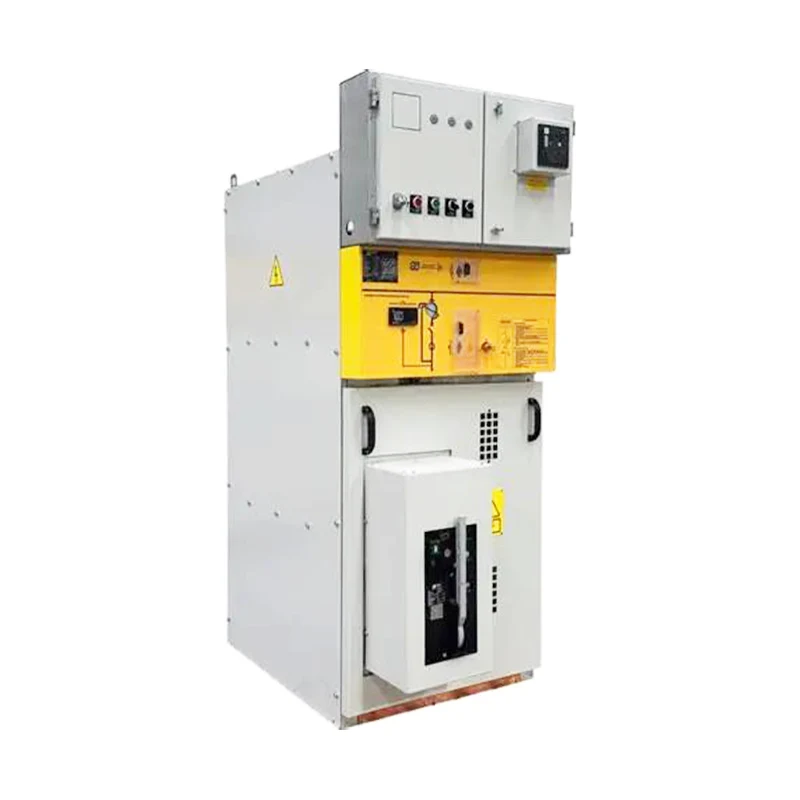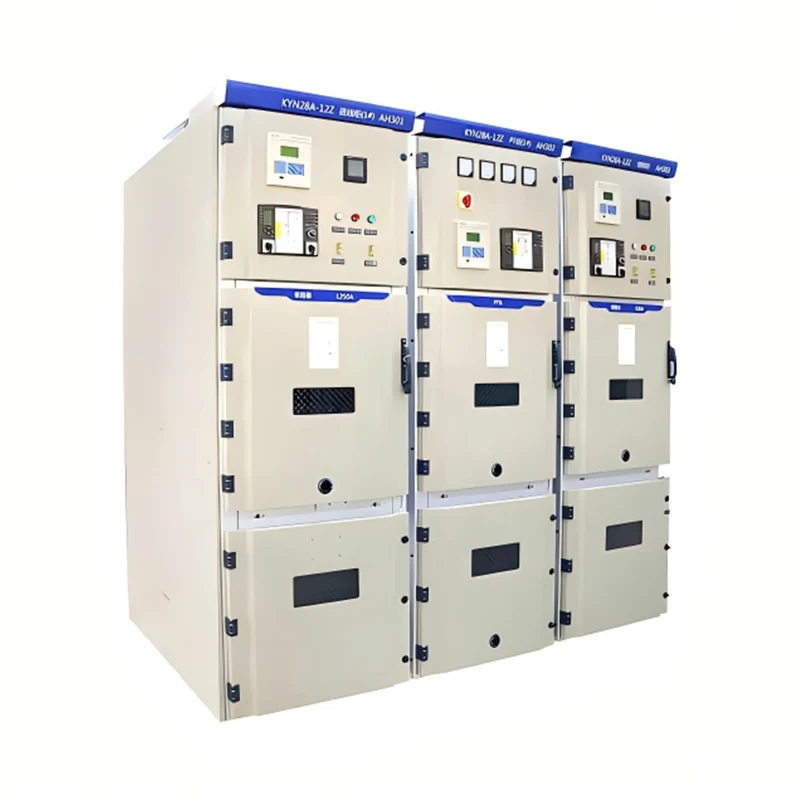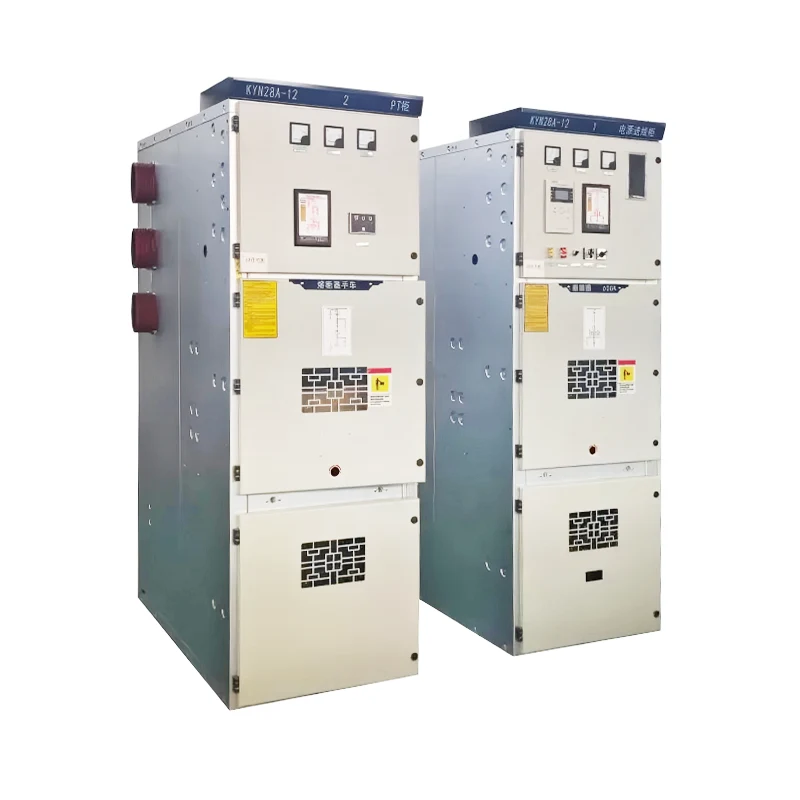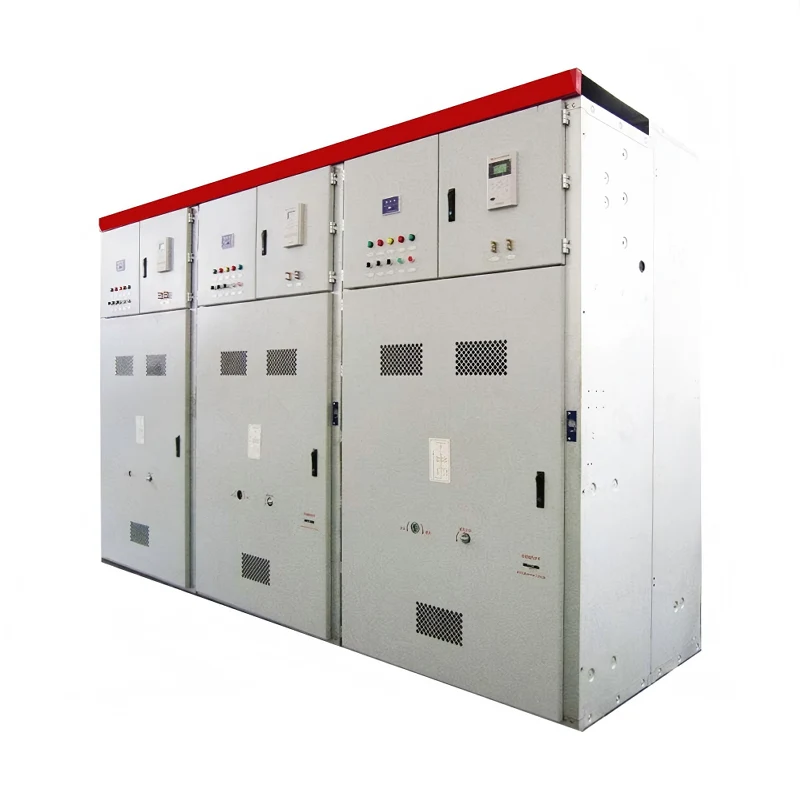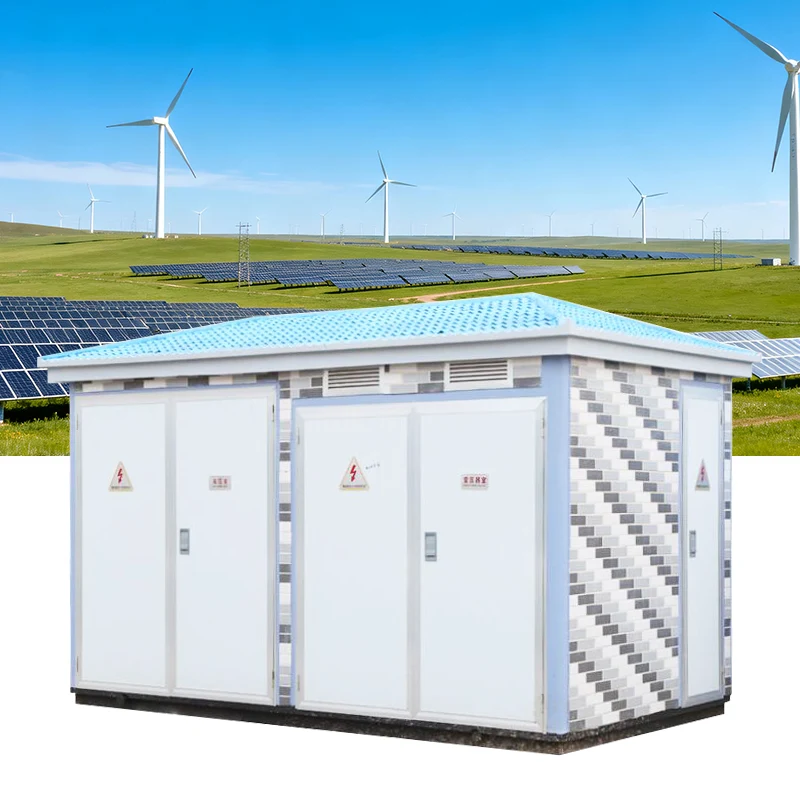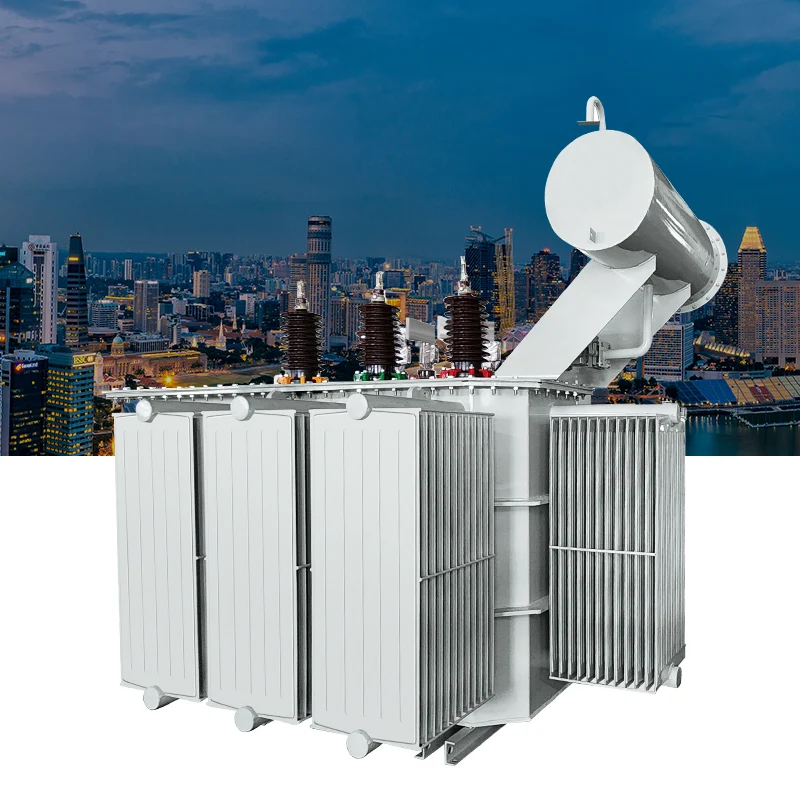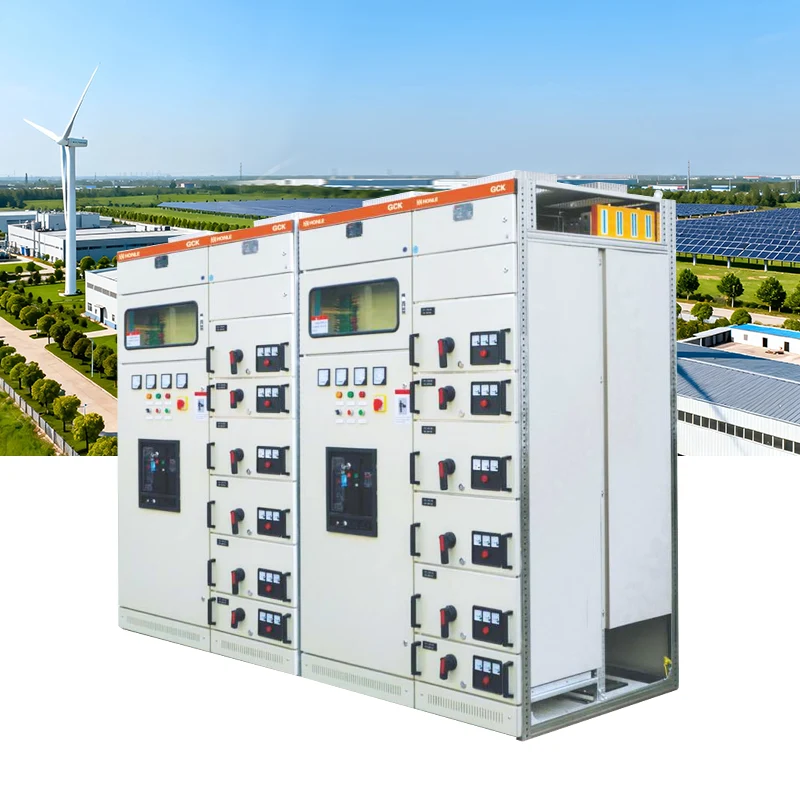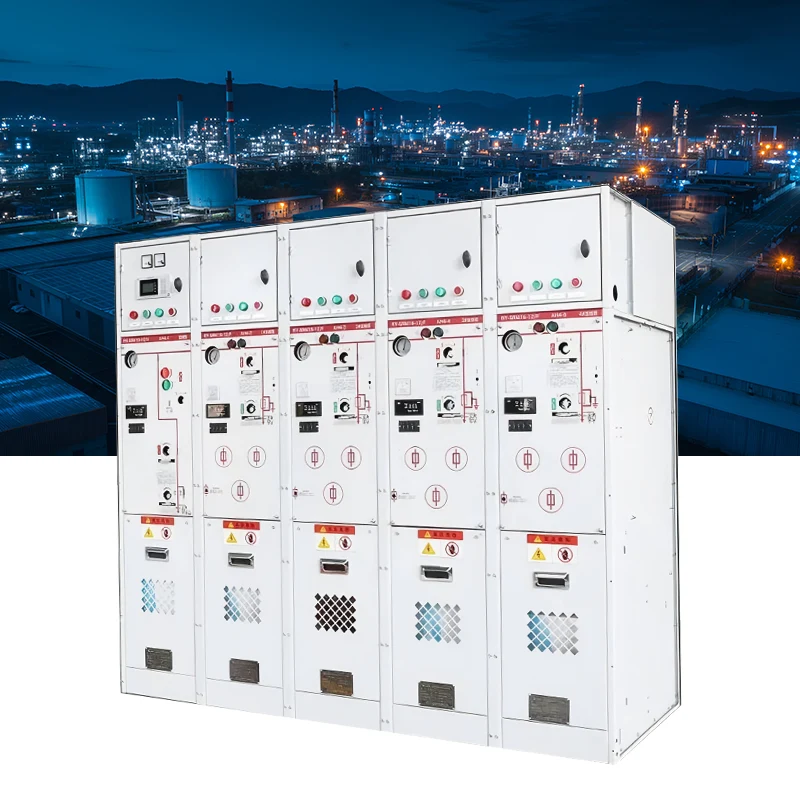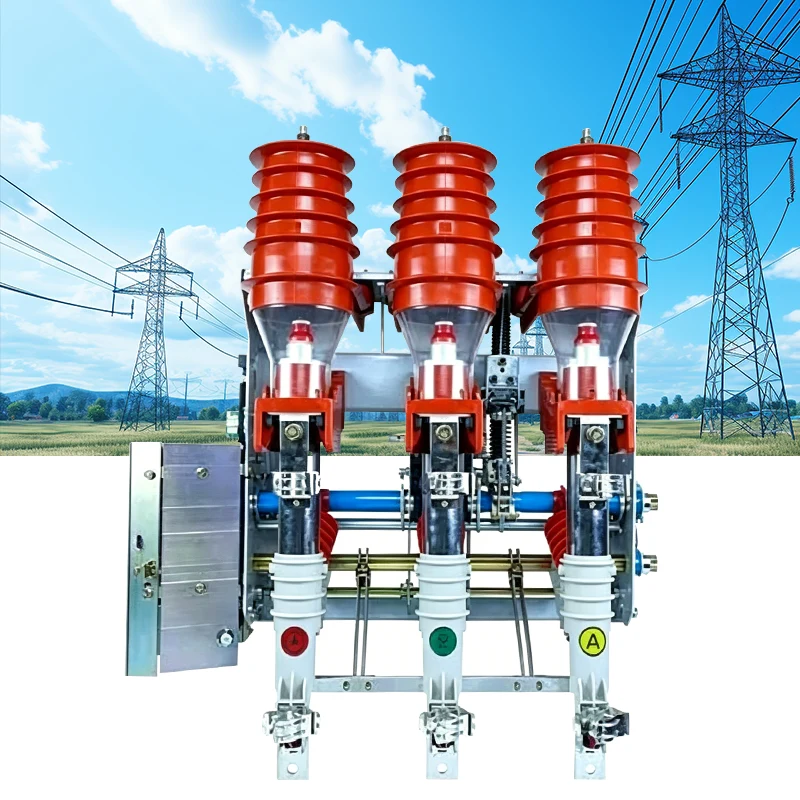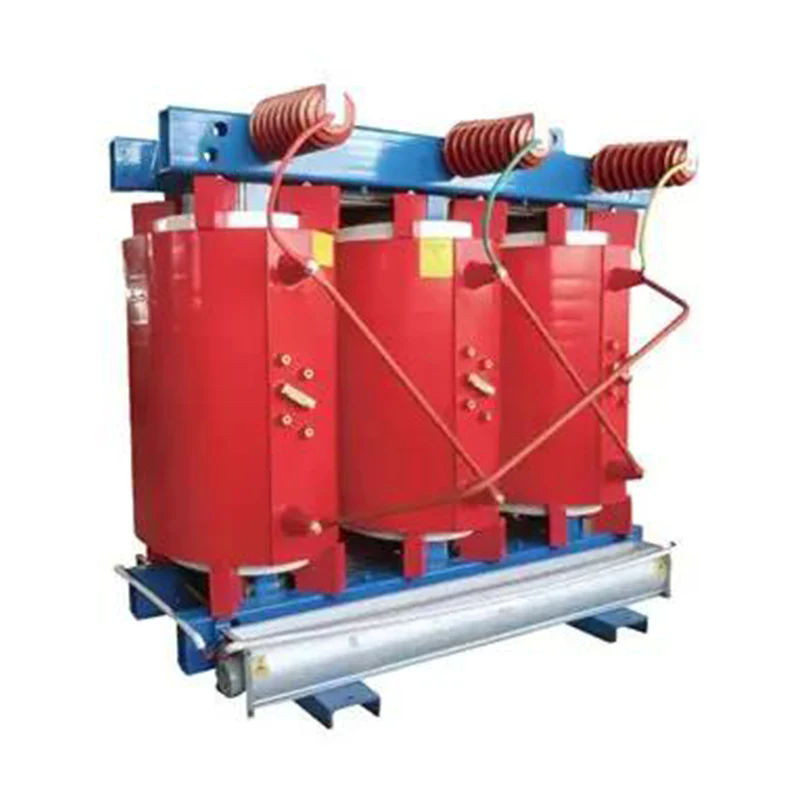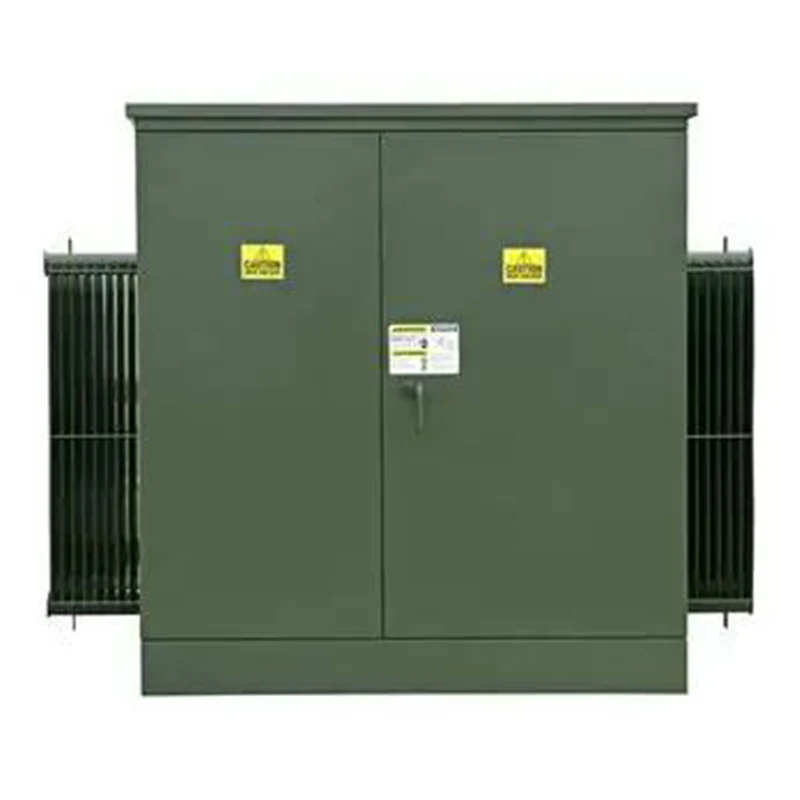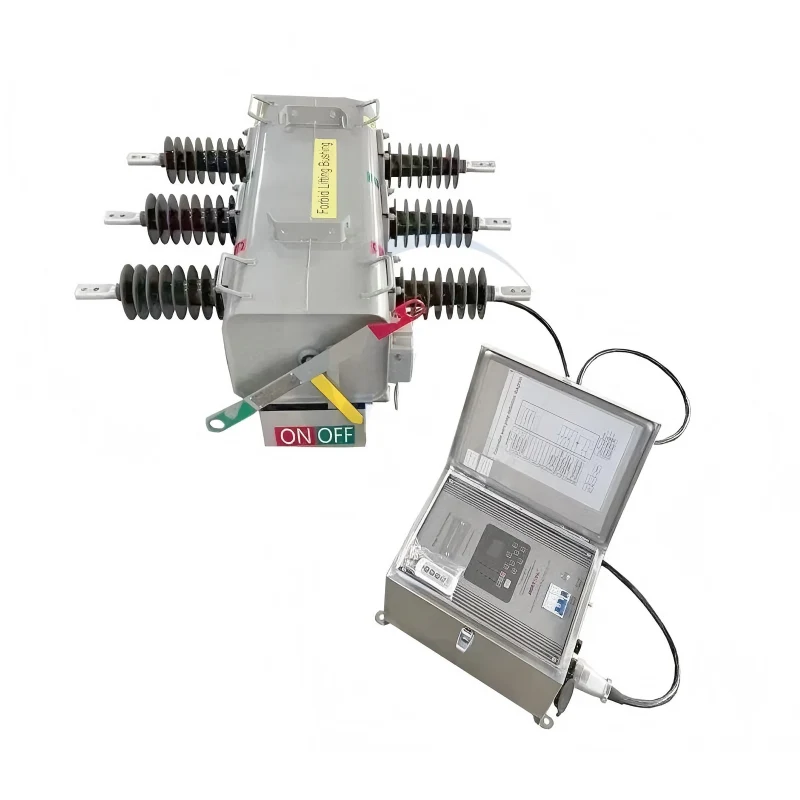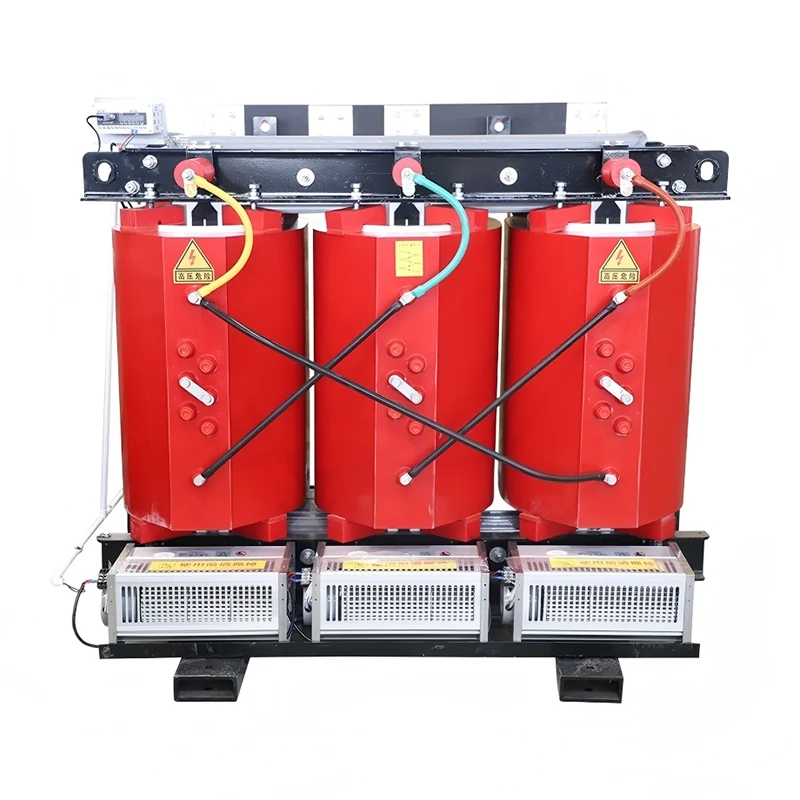
In modern power networks, reliability begins at the distribution and transmission levels. The backbone of any substation or industrial power plant lies in its ability to safely control, protect, and isolate electrical equipment. Our manufacturing facility at JUCEG has dedicated over two decades to perfecting every detail of MV And HV Switchgear, offering a portfolio that spans indoor, outdoor, air-insulated, and gas-insulated configurations. Whether you are upgrading a utility grid or building a new data center, the performance of your switchgear directly influences uptime, personnel safety, and long-term operational costs. Below we break down key parameters, design philosophies, and frequently asked questions that guide specifiers and engineers in selecting the right equipment.
A: The leading standards suite is the IEC 62271 series. For medium voltage, IEC 62271-200 defines requirements for factory-built metal-enclosed switchgear. High voltage switchgear falls under IEC 62271-203 for GIS and IEC 62271-100 for circuit breakers. In North America, IEEE C37 sets the benchmarks, with C37.20 for MV and C37.09 for HV breaker testing. JUCEG maintains dual-certified test reports, so every panel can be supplied with IEC and IEEE/ANSI markings. Beyond these, IEC 62271-102 covers disconnectors and earthing switches, while IEC 60529 defines ingress protection. Our factories run internal arc tests according to IEC 62271-200 Annex A, verifying AFLR performance. Additionally, seismic qualification per IEC 60068 or IEEE 693 can be provided for critical installations. Every design is validated by third-party laboratories such as KEMA, CESI, or CPRI, and all certificates are fully traceable.
A: Arc flash protection is engineered through a multi-layer strategy. The primary defense is the passive compartmentalization: busbar areas, circuit breaker compartments, cable termination rooms, and instrument transformer cubicles are separated by earthed metallic partitions meeting PM class per IEC 62271-200. The enclosure and partitions are designed to withstand the dynamic pressure and thermal load of an internal arc for 1 second at maximum fault rating. JUCEG’s arc-resistant design channels the hot gases upward through a venting passage equipped with cooling gratings, avoiding danger zones for operators. As a secondary layer, arc detection relays using fiber-optic sensors or current-light detection can issue a trip signal in under 2 ms, drastically reducing arc energy. For MV boards, remote racking systems allow operators to insert or withdraw circuit breakers outside the arc-flash boundary. All panels are delivered with arc flash labeling indicating incident energy and required PPE, aligning with NFPA 70E methodologies. Endurance tests confirm the ventilation flaps and pressure relief disks retain integrity after multiple operations.
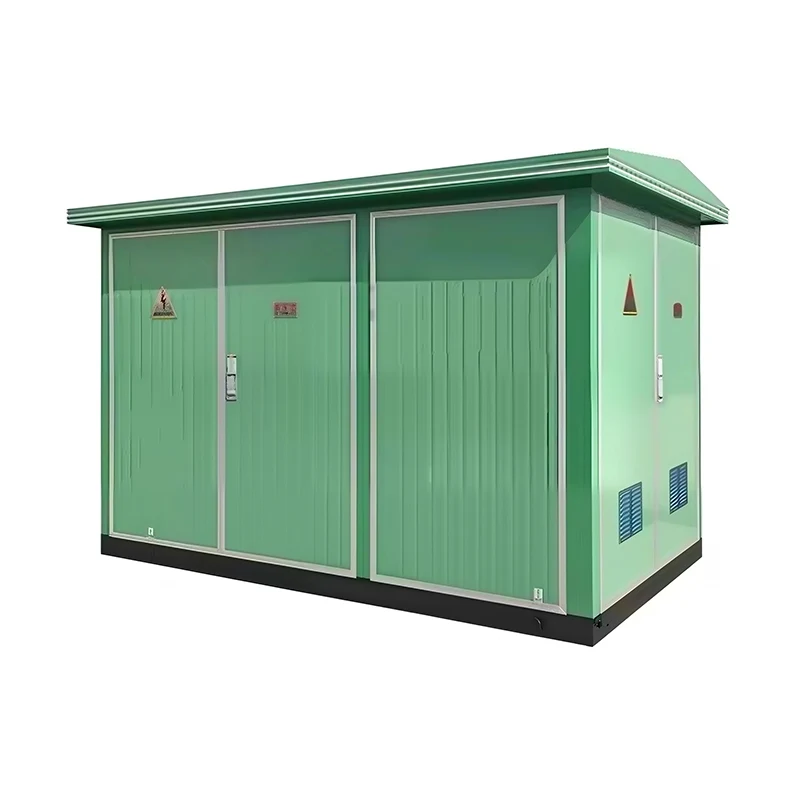
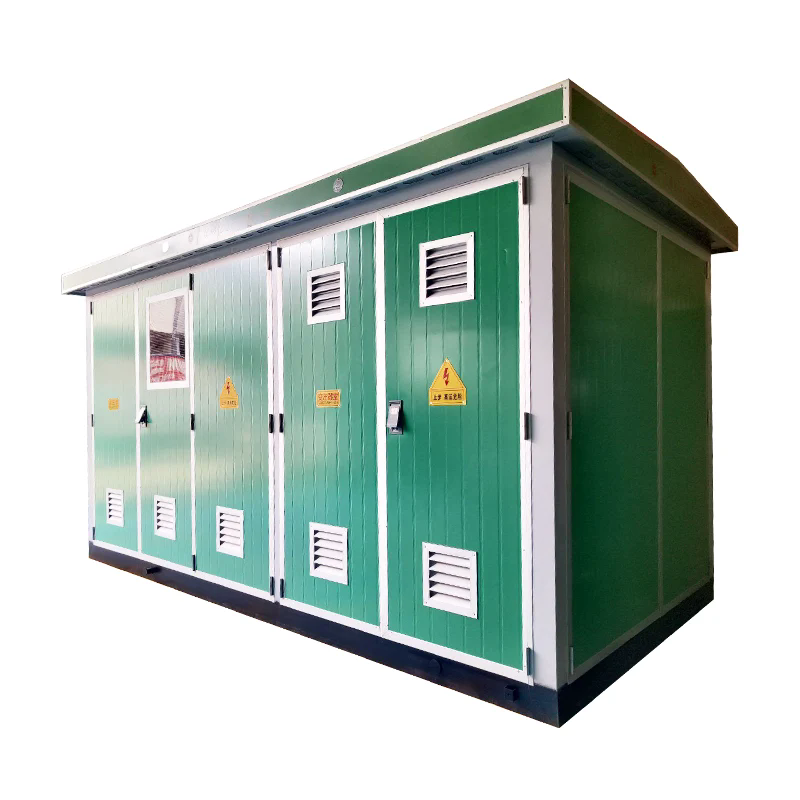
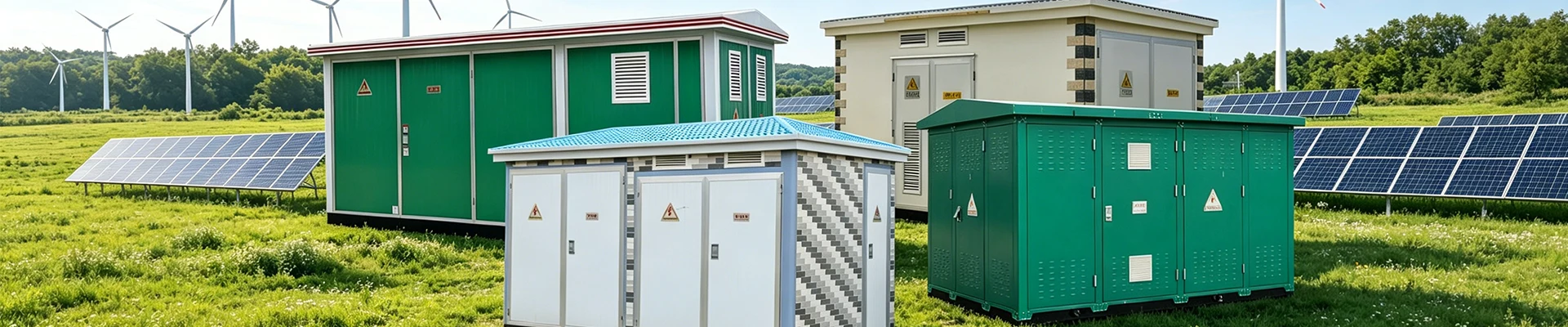
A: Yes, containerized power packages are a growing segment of our business. A typical mobile substation includes an HV compartment with a JUCEG HG-Series GIS module, a power transformer bay, and an MV section built with VA-Series or VG-Series panels, all pre-commissioned inside a weatherproof 20-foot or 40-foot container. These trailers or skid-mounted units are factory-tested, including secondary injection and full AC high-potential tests, so upon arrival at site only external connections are needed. Such solutions are widely used by mining operators, emergency recovery teams, and seasonal load centers because they can be relocated quickly. Integrated MV And HV Switchgear inside a mobile unit must meet additional structural requirements for transport vibration (IEC 60721-3-2 mechanical class 2M4), which JUCEG validates through a special fixation frame and anti-vibration dampers. Full SCADA and communication integration with IEC 61850 allows seamless pluggability into existing networks.