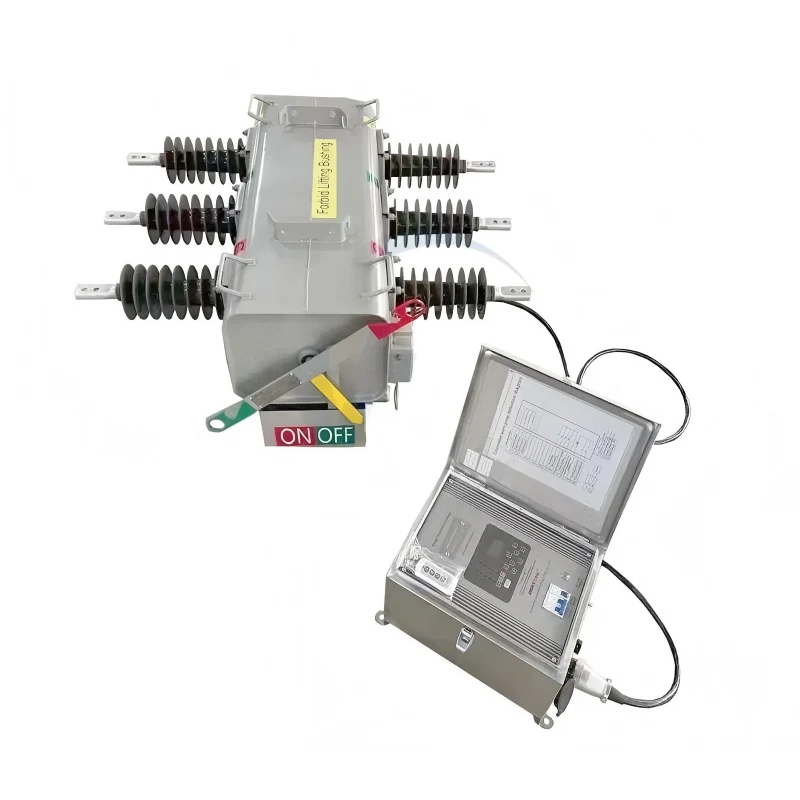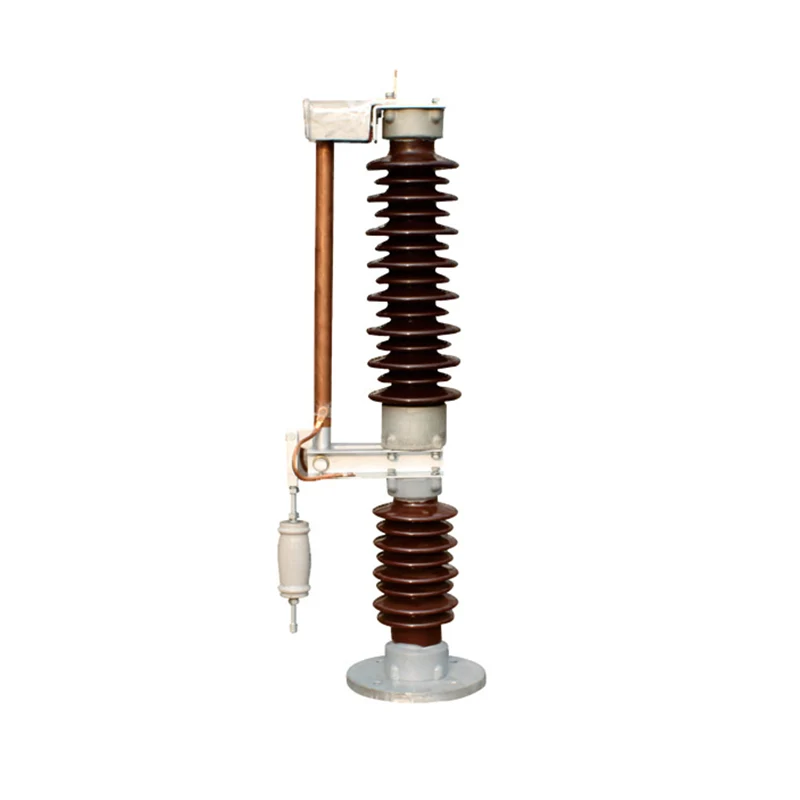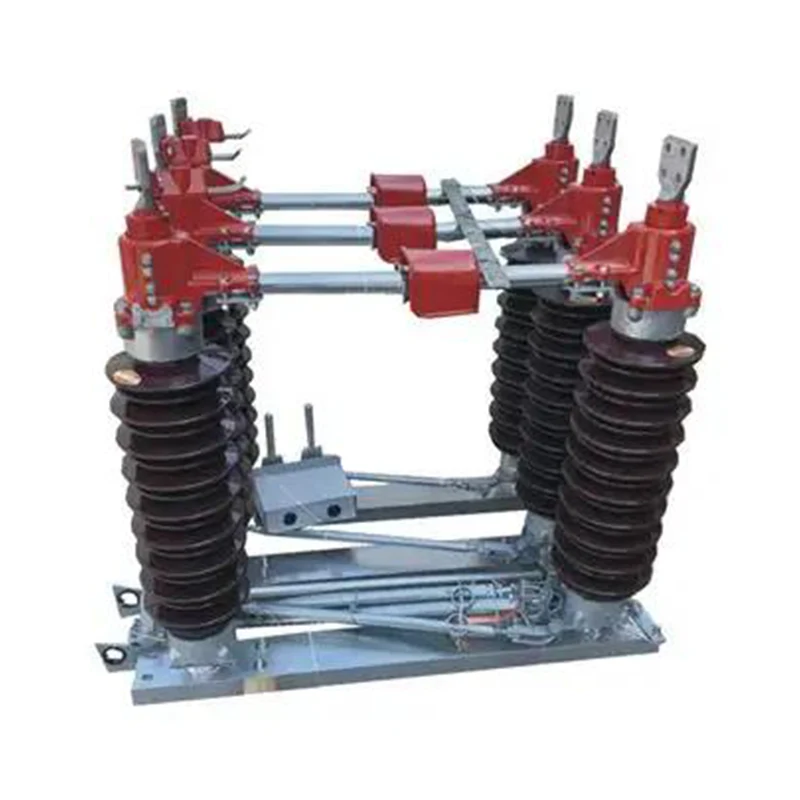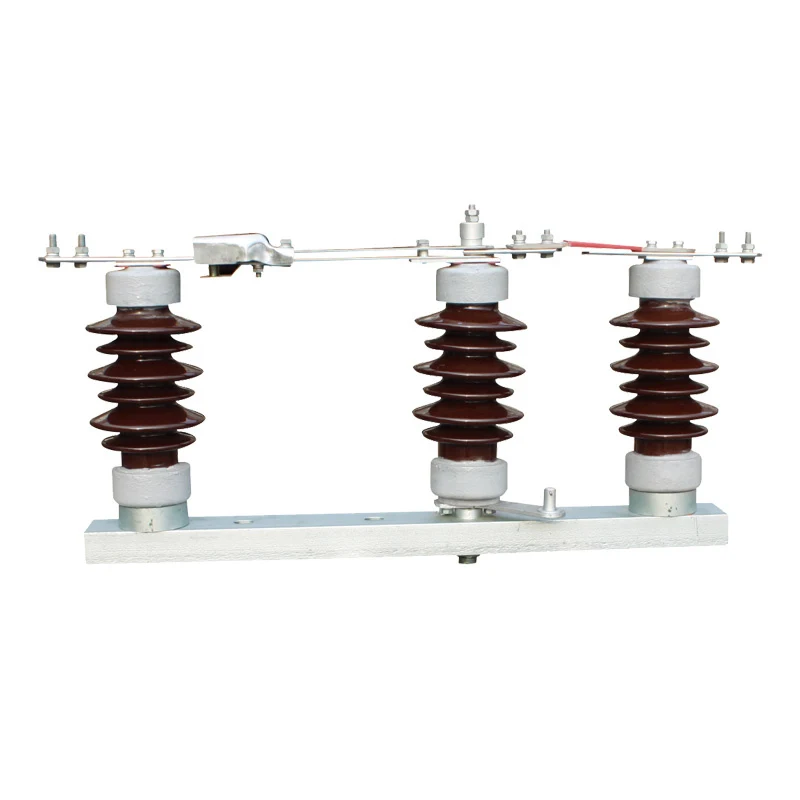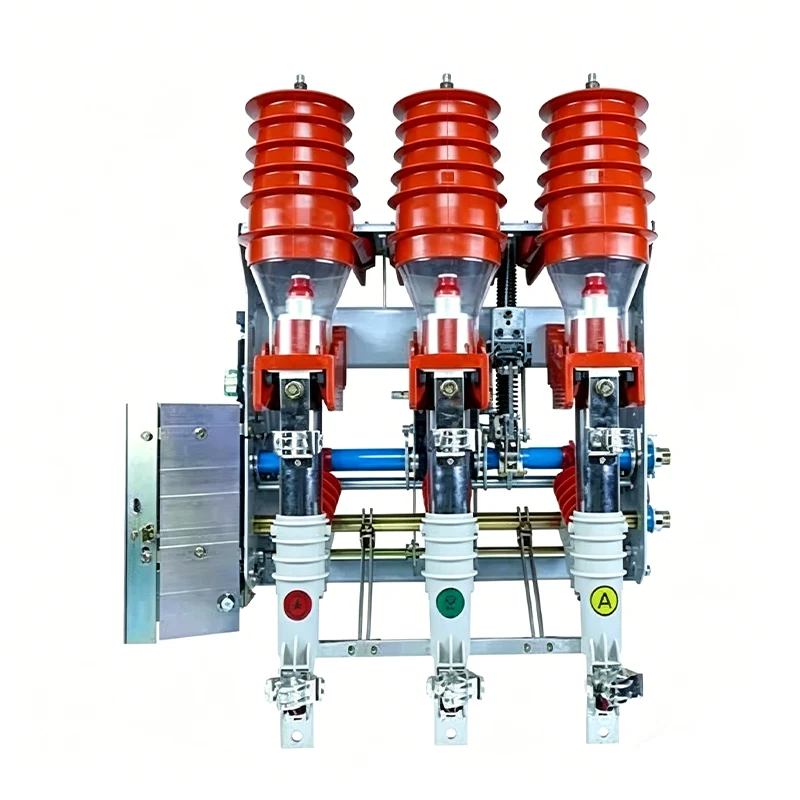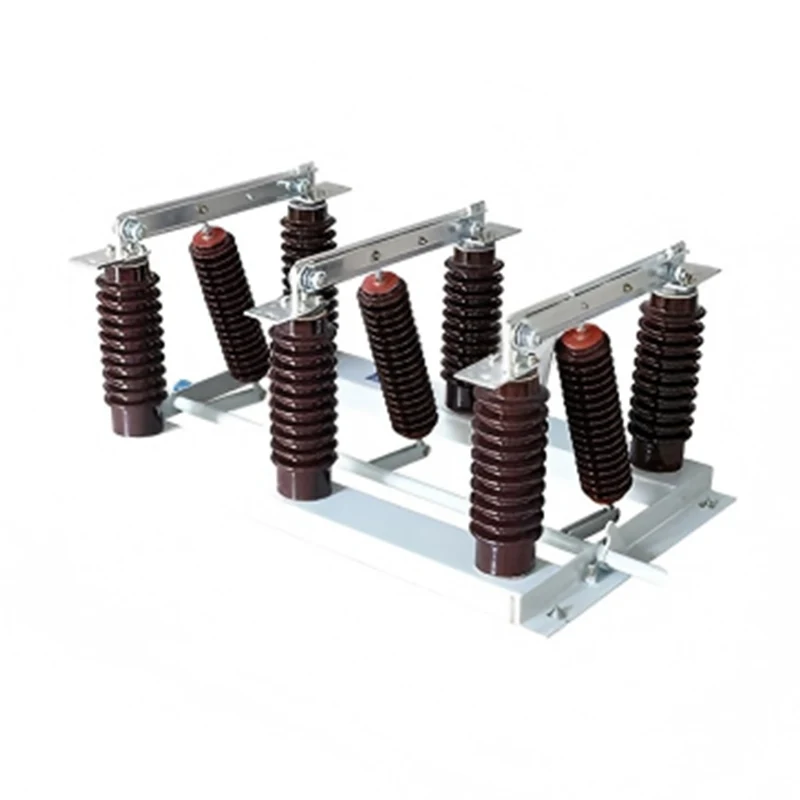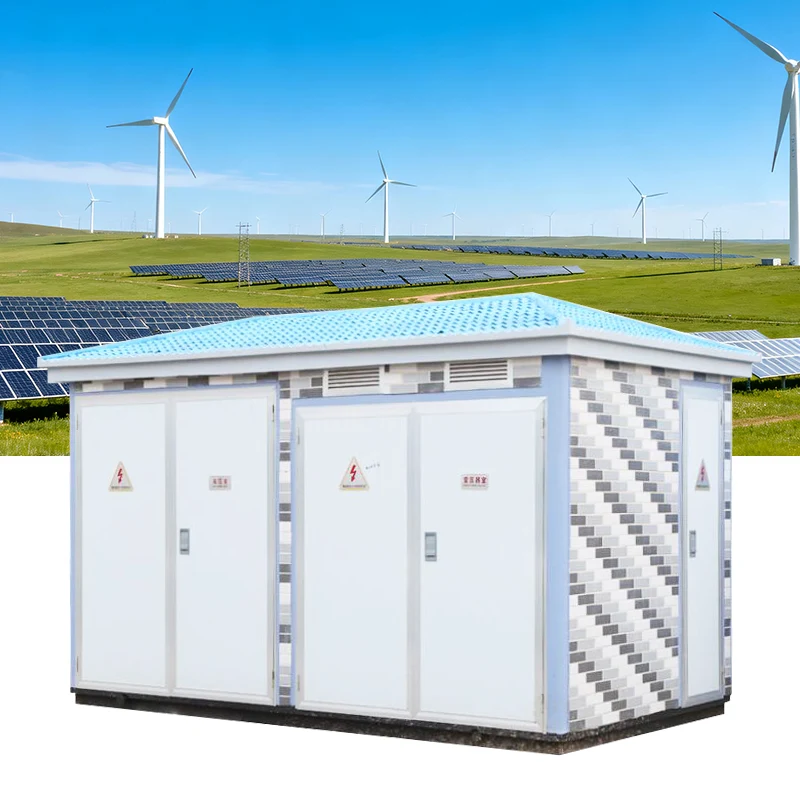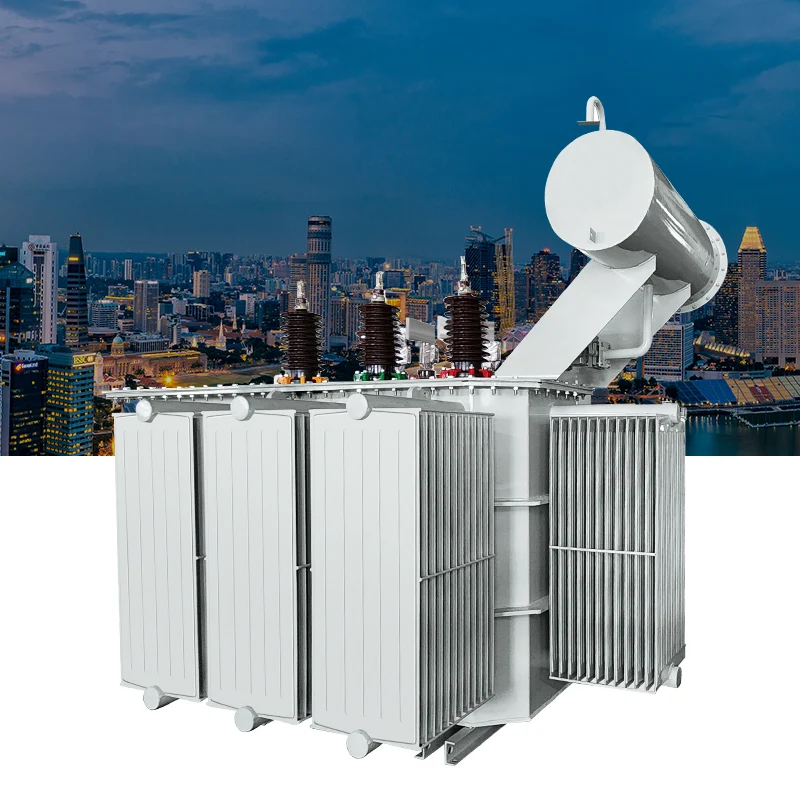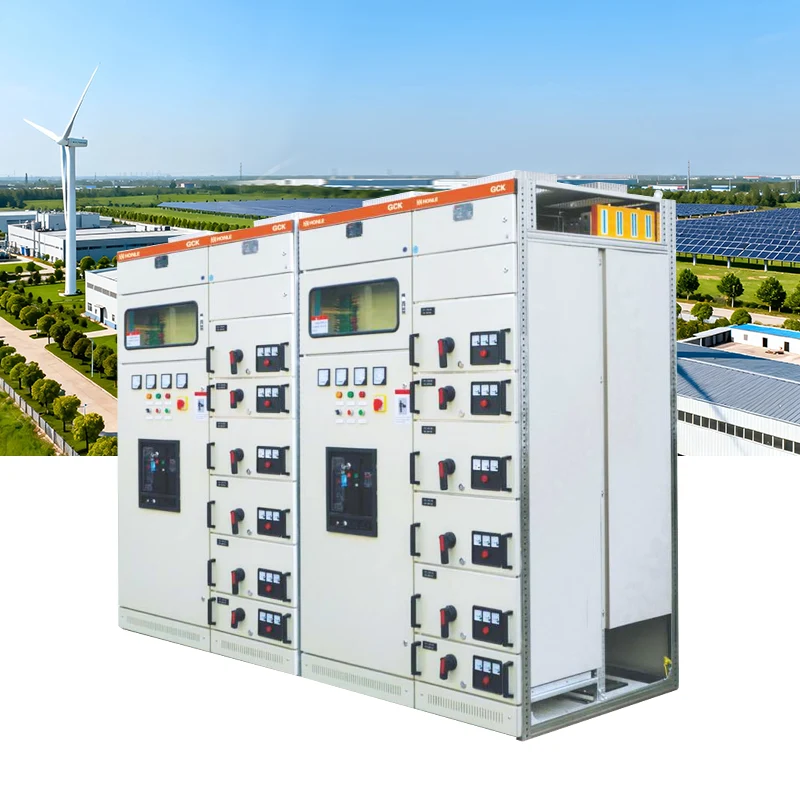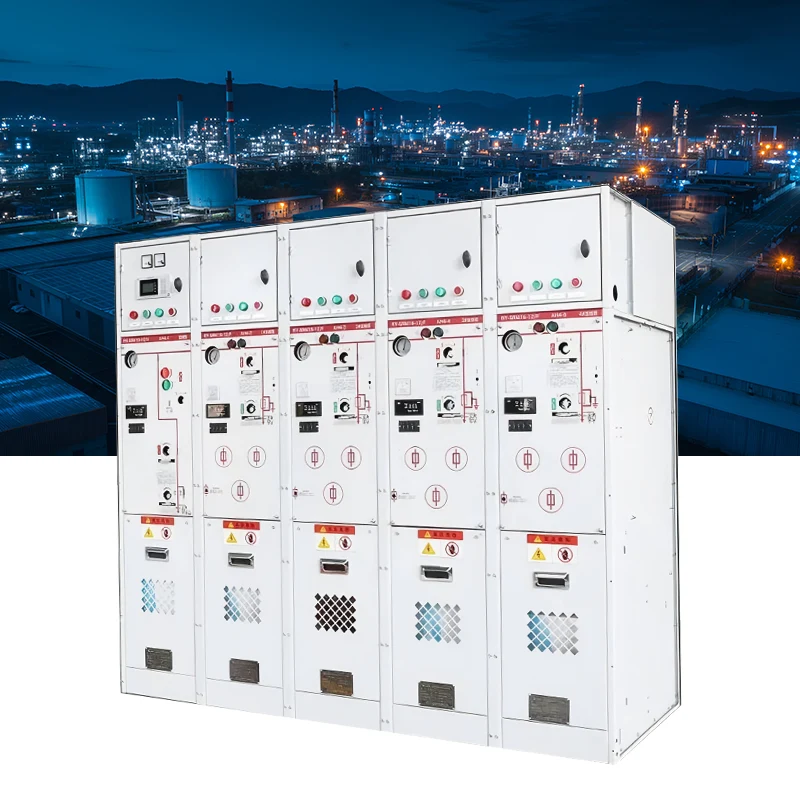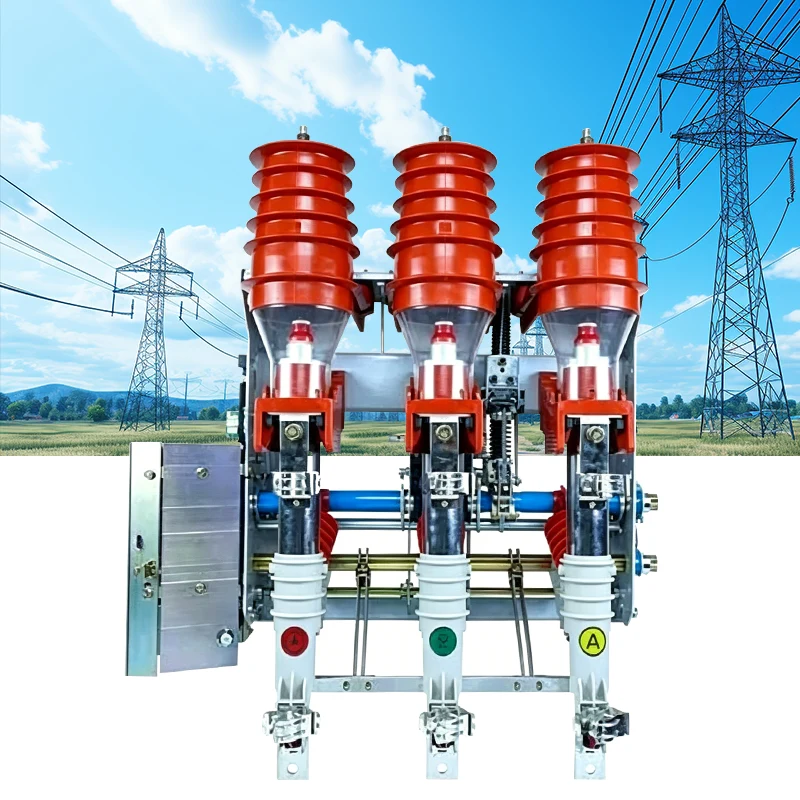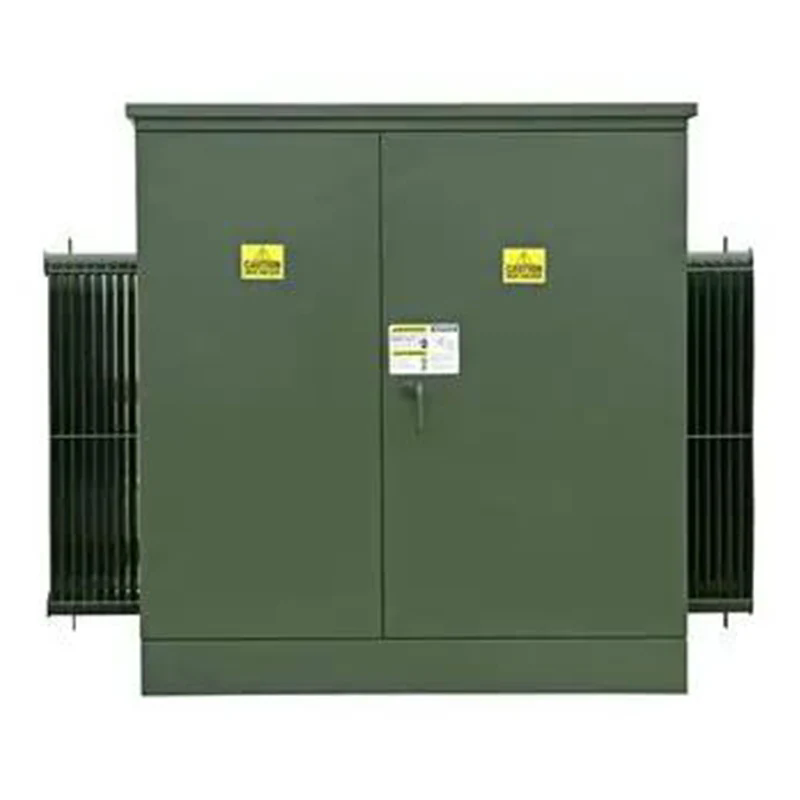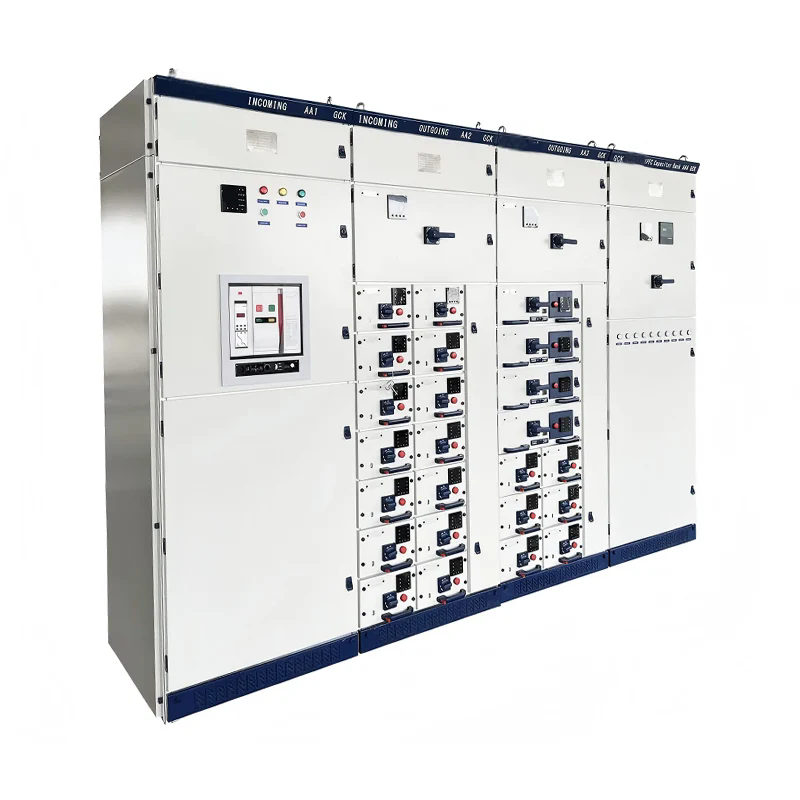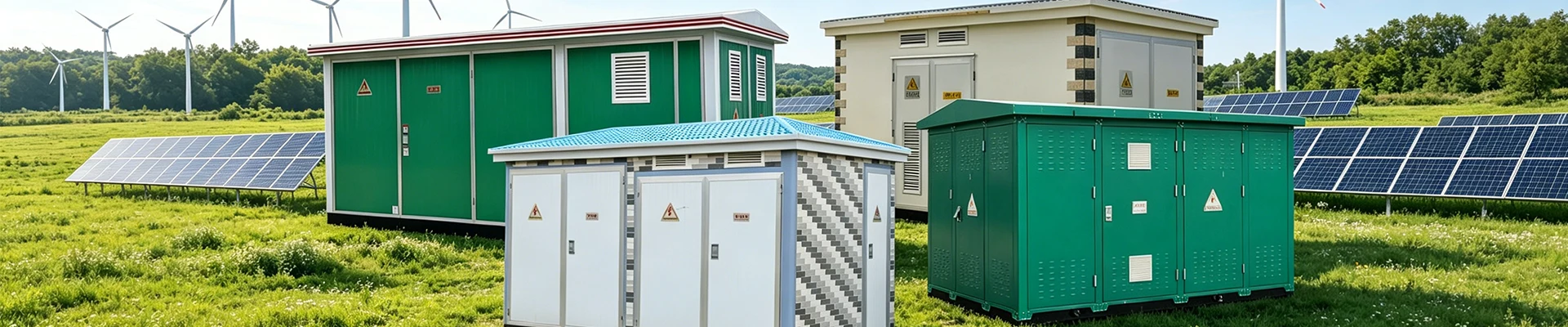
Disconnecting Switch units are fundamental components in modern electrical networks, ensuring personnel safety and system integrity during maintenance, testing, and fault isolation. Unlike circuit breakers that interrupt load and fault currents, a disconnecting switch creates a visible isolation gap, confirming a de-energized state. When you need reliable, field-proven performance, JUCEG delivers engineered solutions that meet global standards. This comprehensive overview explores the technology, presents detailed parameters with tables, and answers the most common questions about disconnecting switches.
JUCEG utilizes high-conductivity copper contacts with a minimum 20-micron electroplated silver finish. The contact system incorporates multi-finger, high-pressure, self-aligning designs that compensate for thermal expansion and minor misalignment. Ice-breaking features, spring-loaded contacts, and protective covers prevent moisture ingress. Each switch undergoes factory dynamic contact resistance measurement and a mechanical endurance test of 100 cycles before shipment, guaranteeing flawless field performance.
JUCEG disconnecting switches are designed and tested per IEC 62271-102 (High-voltage switchgear and controlgear – Part 102: Alternating current disconnectors and earthing switches). For low-voltage devices, IEC 60947-3 applies. In North American markets, ANSI C37.32 and IEEE C37.20.4 standards are followed. Type test reports covering temperature rise, short-time current, mechanical endurance, dielectric performance, and seismic qualification are available for all models upon request.
Yes. JUCEG designs disconnecting switches to withstand seismic accelerations up to 0.5 g (higher on request). Stainless steel fasteners, flexible braid connections, and base frame reinforcements ensure structural integrity during earthquakes. For arctic environments, the mechanisms are rated down to -50°C with special low-temperature greases and heating elements. In desert regions, high temperature and sand-resistant coatings protect the moving parts. All such customizations are tested and documented in project-specific quality plans.
Select the rated current based on the maximum continuous load the circuit will see, plus an allowance for future expansion. Consider ambient temperature, enclosure ventilation, and altitude correction factors. JUCEG technical support teams assist with rating calculations and can provide thermal simulation results. As a rule of thumb, the disconnecting switch rated current should be at least 125% of the expected maximum load current to ensure safe temperature rise margins.
Beyond standard catalog items, JUCEG provides turnkey disconnecting switch solutions for railway electrification, data center power isolation, marine and offshore platforms, and renewable energy substations. Custom bushing lengths, special phase spacing, and seismic qualification packages are routinely handled. All products are backed by a global service network and a five-year warranty on mechanical components. To receive detailed dimensional drawings, type test certificates, or a tailored quotation, reach out to JUCEG’s application engineering team.