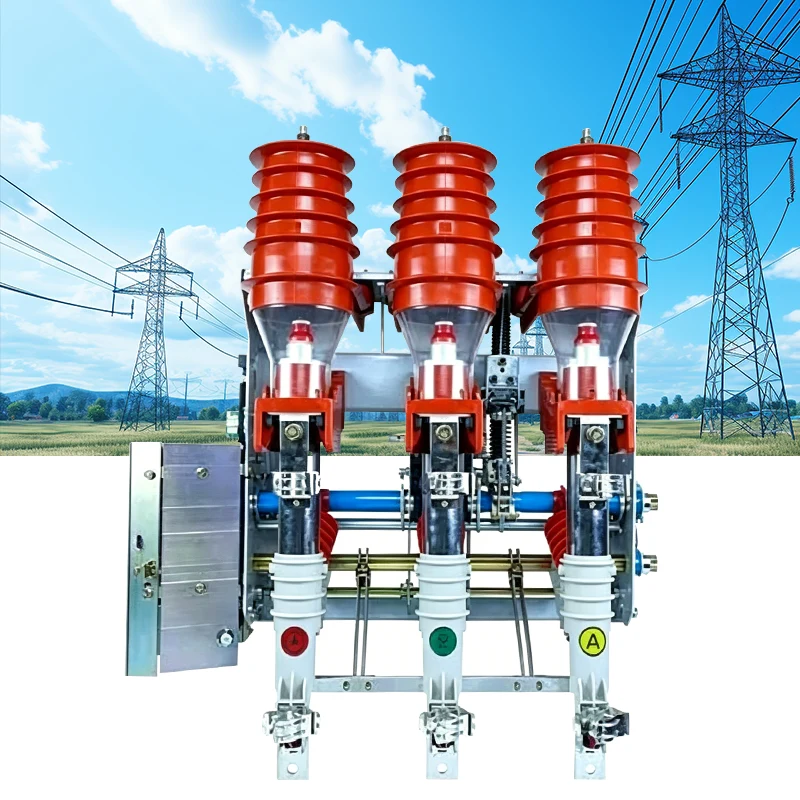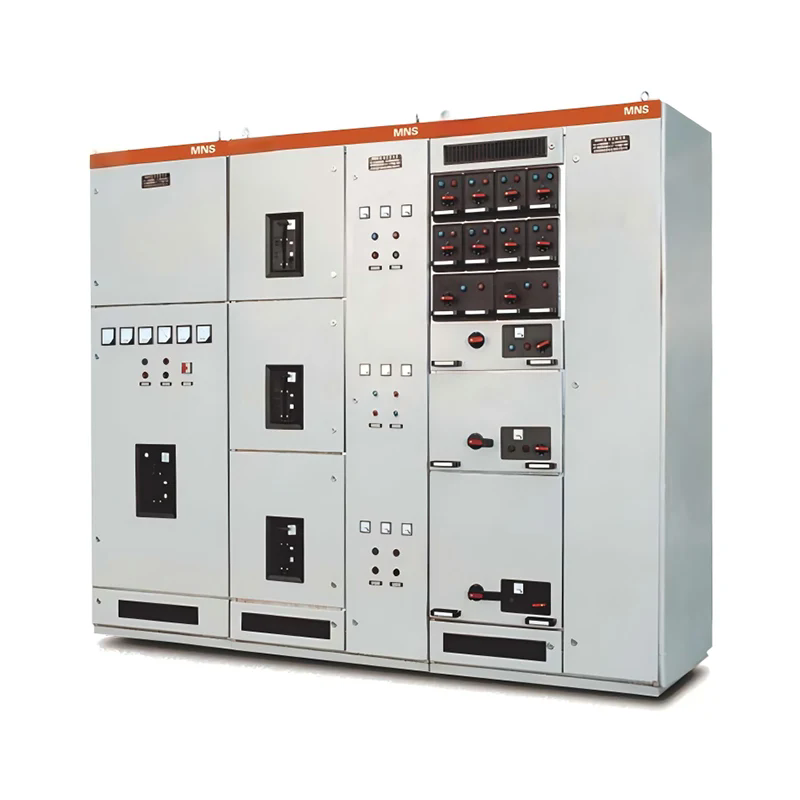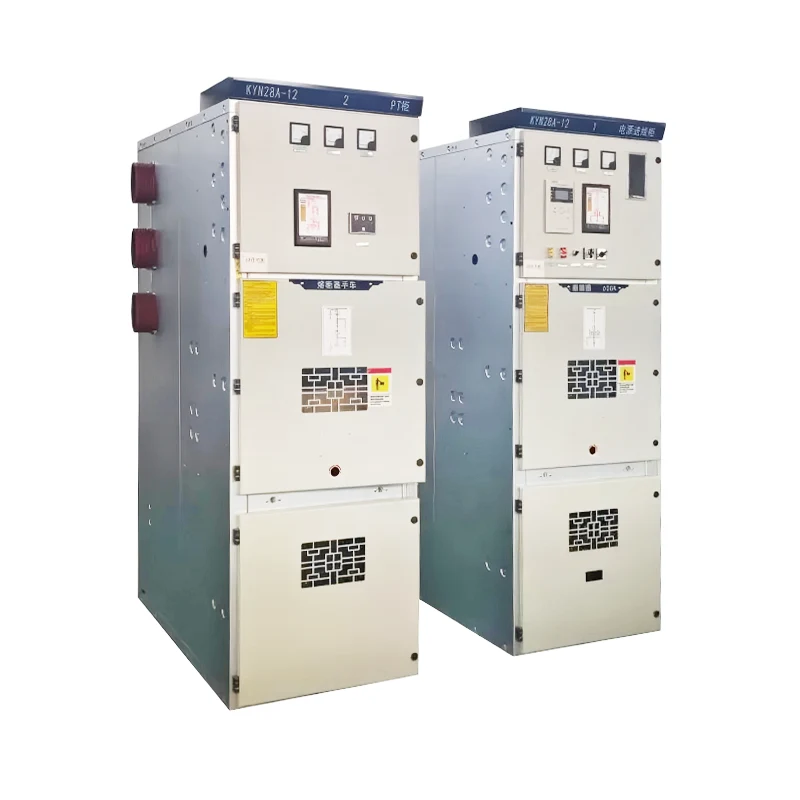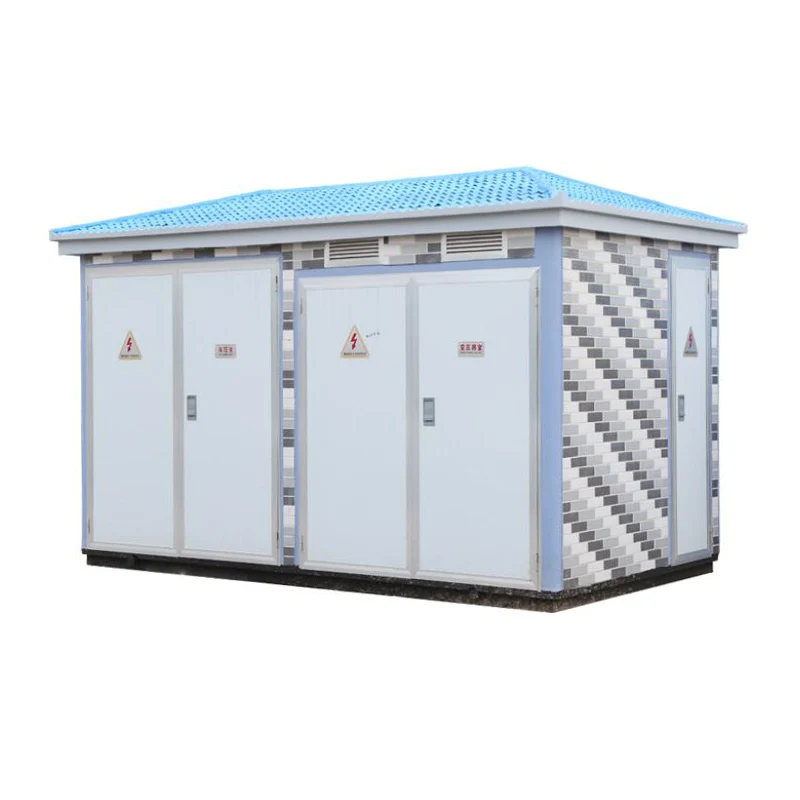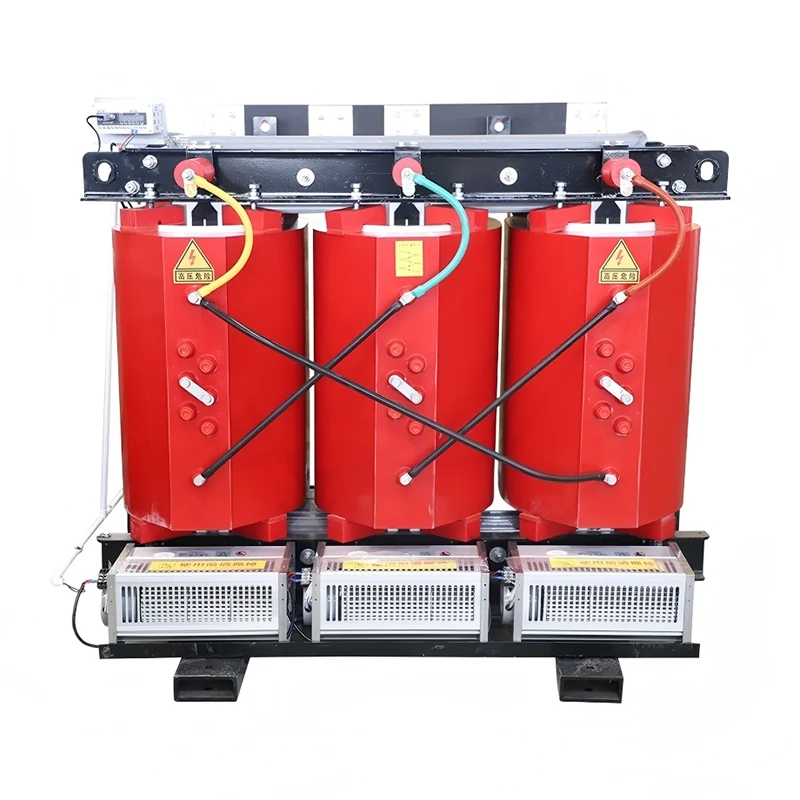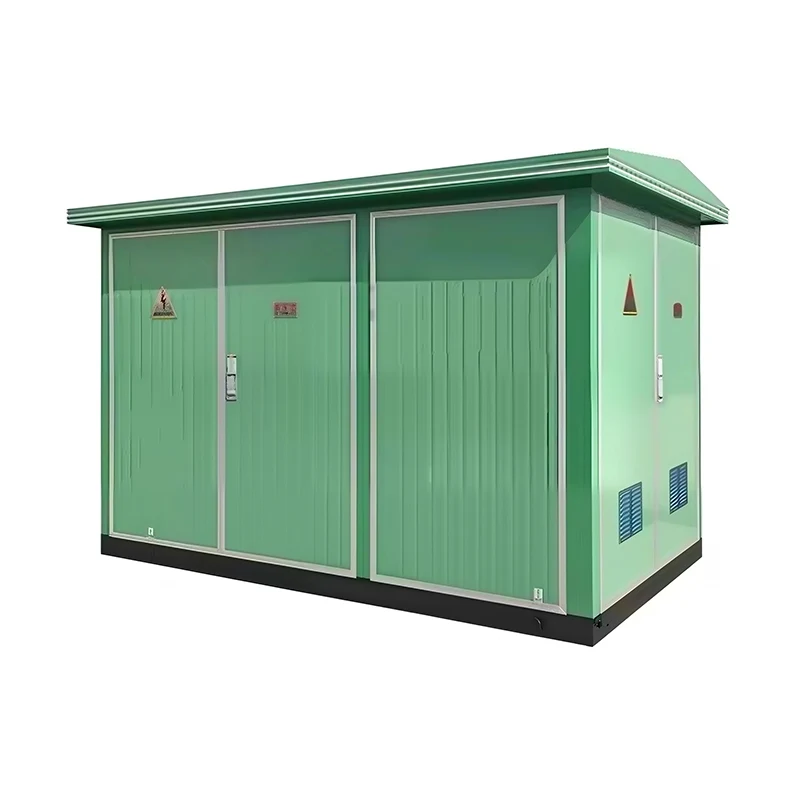
This guide explains how Low Voltage Switchgear works, its key components, advantages, applications, selection criteria, maintenance requirements, and common customer concerns when choosing a reliable solution.
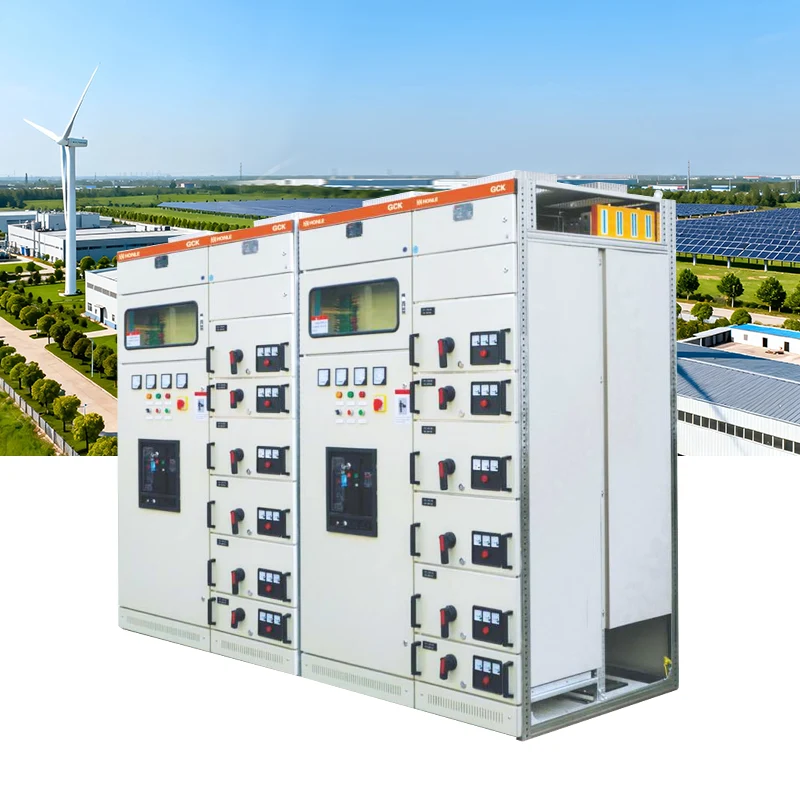
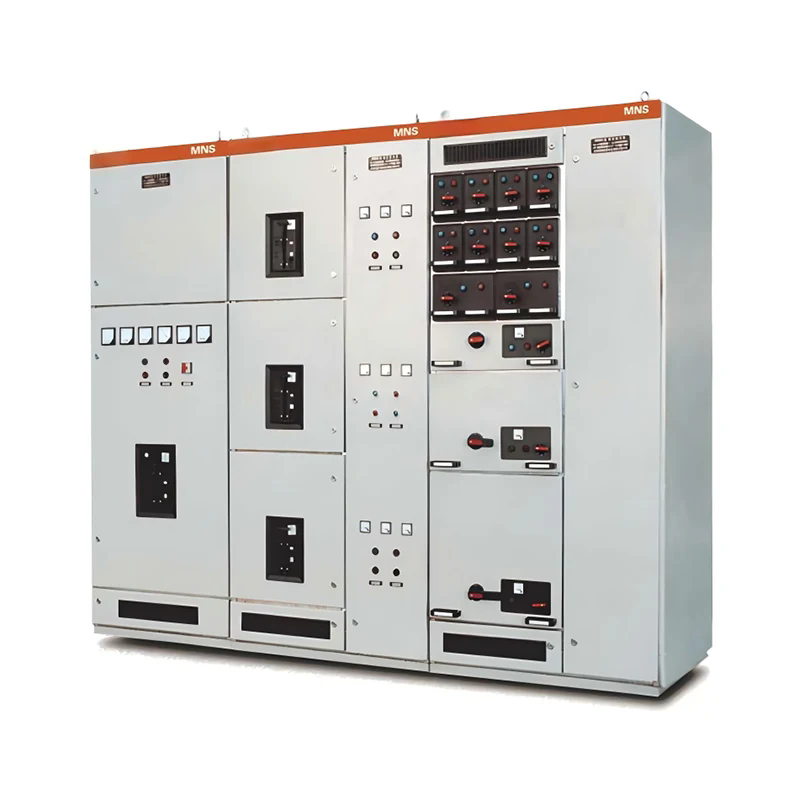
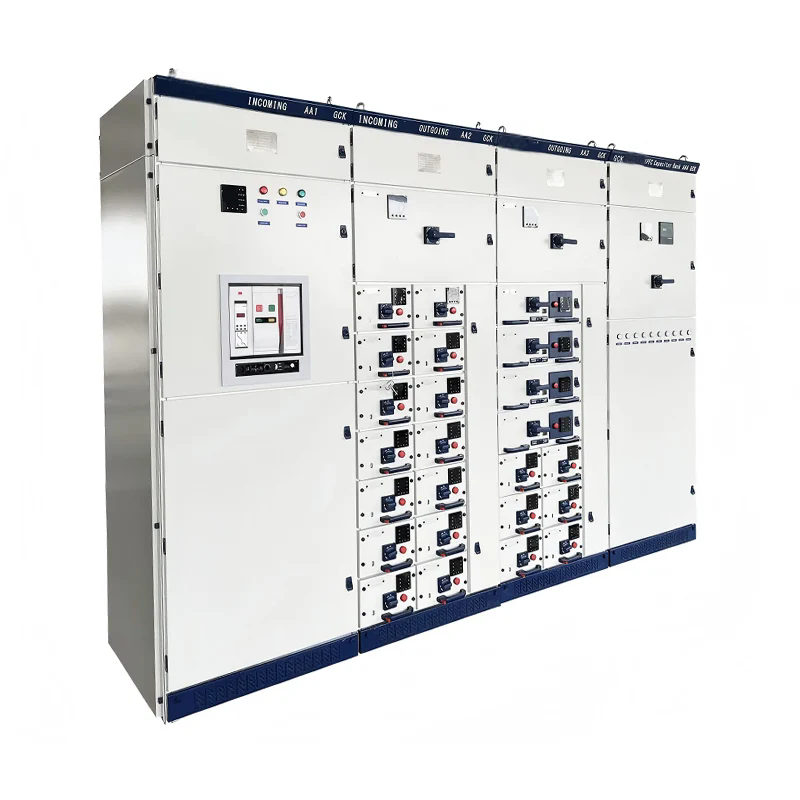
Low Voltage Switchgear is an electrical distribution system designed to control, protect, isolate, and manage electrical equipment operating at voltages typically up to 1,000V AC. It serves as the central hub that distributes power safely while protecting circuits and connected devices from overloads, short circuits, and other electrical faults.
In modern facilities, switchgear acts as the first line of defense against electrical failures. It ensures that power is delivered efficiently while minimizing risks to personnel and equipment.
Typical installations include:
Low Voltage Switchgear continuously monitors electrical circuits and responds immediately when abnormal conditions occur.
The operating process generally follows these steps:
This rapid response significantly reduces equipment damage, minimizes downtime, and enhances workplace safety.
| Electrical Event | Switchgear Response | Result |
|---|---|---|
| Overload | Circuit breaker trips | Equipment protection |
| Short circuit | Immediate fault interruption | Fire prevention |
| Ground fault | Fault isolation | Personnel safety |
| Maintenance work | Circuit isolation | Safe servicing |
A modern Low Voltage Switchgear assembly consists of several critical components working together to ensure safe and reliable power distribution.
| Component | Function |
|---|---|
| Circuit Breakers | Interrupt abnormal currents and faults |
| Busbars | Distribute electrical power throughout the system |
| Protection Relays | Detect abnormal operating conditions |
| Control Units | Manage switching operations |
| Metering Devices | Monitor electrical parameters |
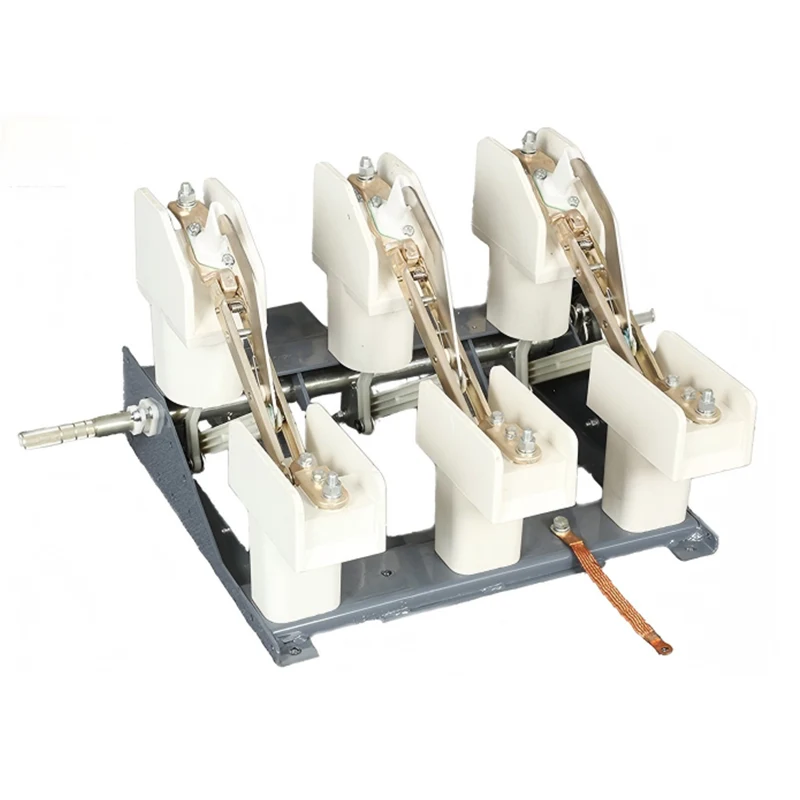
| Isolation Switches | Provide safe maintenance access |
| Enclosures | Protect internal equipment from environmental conditions |
Each component contributes to the overall reliability and operational safety of the electrical system.
Electrical accidents can result in severe injuries, equipment damage, and costly downtime. Low Voltage Switchgear incorporates advanced protection mechanisms that isolate faults quickly and reduce exposure to hazardous conditions.
Continuous power availability is critical for modern businesses. Switchgear helps maintain stable electrical operations by minimizing disruptions and isolating faults before they affect larger portions of the network.
Electrical faults can destroy expensive motors, transformers, drives, and production equipment. Properly designed switchgear minimizes fault energy and protects valuable assets.
Modern switchgear systems allow specific circuits to be isolated while the remainder of the facility continues operating. This improves maintenance efficiency and reduces operational interruptions.
Businesses often expand their electrical infrastructure. Modular switchgear designs make it easier to add new circuits and equipment without major system redesigns.
Low Voltage Switchgear is widely used across numerous industries.
| Industry | Primary Purpose |
|---|---|
| Manufacturing | Motor control and power distribution |
| Commercial Buildings | Lighting and HVAC power management |
| Data Centers | Critical power reliability |
| Healthcare Facilities | Uninterrupted electrical supply |
| Utilities | Distribution network protection |
| Renewable Energy Plants | Grid connection and protection |
| Transportation Infrastructure | Operational continuity |
As electrical systems become increasingly complex, demand for dependable switchgear continues to grow worldwide.
| Feature | Low Voltage Switchgear | Traditional Panels |
|---|---|---|
| Protection Capability | Advanced | Basic |
| Fault Isolation | Fast and selective | Limited |
| Operational Safety | High | Moderate |
| System Monitoring | Comprehensive | Minimal |
| Expansion Flexibility | Excellent | Restricted |
| Maintenance Efficiency | High | Lower |
For facilities requiring reliable operations and enhanced protection, Low Voltage Switchgear offers substantial advantages over conventional distribution solutions.
Selecting the proper switchgear requires careful evaluation of operational requirements.
Key considerations include:
A properly engineered solution should balance safety, performance, reliability, and long-term operating costs.
Working with an experienced manufacturer helps ensure the switchgear is customized to project requirements and operational objectives.
Regular maintenance is essential for maximizing equipment lifespan and maintaining safe operation.
Recommended maintenance activities include:
Preventive maintenance programs help identify issues before they develop into costly failures.
Many organizations encounter avoidable challenges during switchgear selection and operation.
Avoiding these mistakes can significantly improve system reliability and reduce total ownership costs.
The evolution of electrical infrastructure is driving significant innovation in switchgear technology.
Emerging developments include:
These advancements help facility operators improve efficiency while maintaining high levels of operational reliability.
Q1: What voltage range is considered low voltage?
Low voltage generally refers to electrical systems operating up to 1,000 volts AC or 1,500 volts DC, depending on regional standards.
Q2: Why is Low Voltage Switchgear important?
It protects electrical equipment, prevents faults from spreading, improves personnel safety, and ensures reliable power distribution.
Q3: How long does Low Voltage Switchgear last?
With proper maintenance, quality switchgear can operate reliably for 20 to 30 years or longer.
Q4: Can switchgear be customized?
Yes. Manufacturers can customize configurations, ratings, compartment arrangements, protection systems, and monitoring functions to match project requirements.
Q5: What industries benefit most from Low Voltage Switchgear?
Manufacturing, healthcare, utilities, renewable energy, transportation, commercial real estate, and data centers all depend heavily on switchgear systems.
Low Voltage Switchgear is a critical component of modern electrical infrastructure. It provides protection, control, monitoring, and operational reliability for a wide range of industrial and commercial applications. By selecting the right solution and implementing proper maintenance practices, organizations can significantly improve safety, reduce downtime, and protect valuable electrical assets.
JUCEG specializes in high-performance Low Voltage Switchgear solutions designed to meet the demanding requirements of modern power distribution systems. From customized engineering and manufacturing to technical support and project consultation, JUCEG is committed to delivering dependable and cost-effective electrical solutions for customers worldwide.
Looking for a reliable Low Voltage Switchgear partner for your next project? Contact us today to discuss your requirements, receive professional technical guidance, and discover how JUCEG can help improve the safety, efficiency, and reliability of your electrical distribution system.