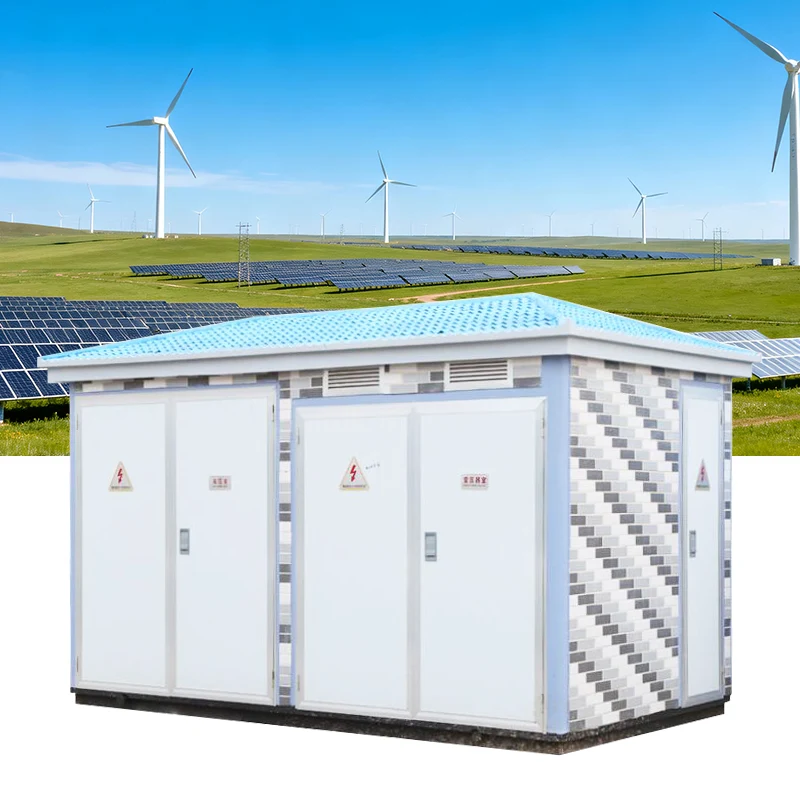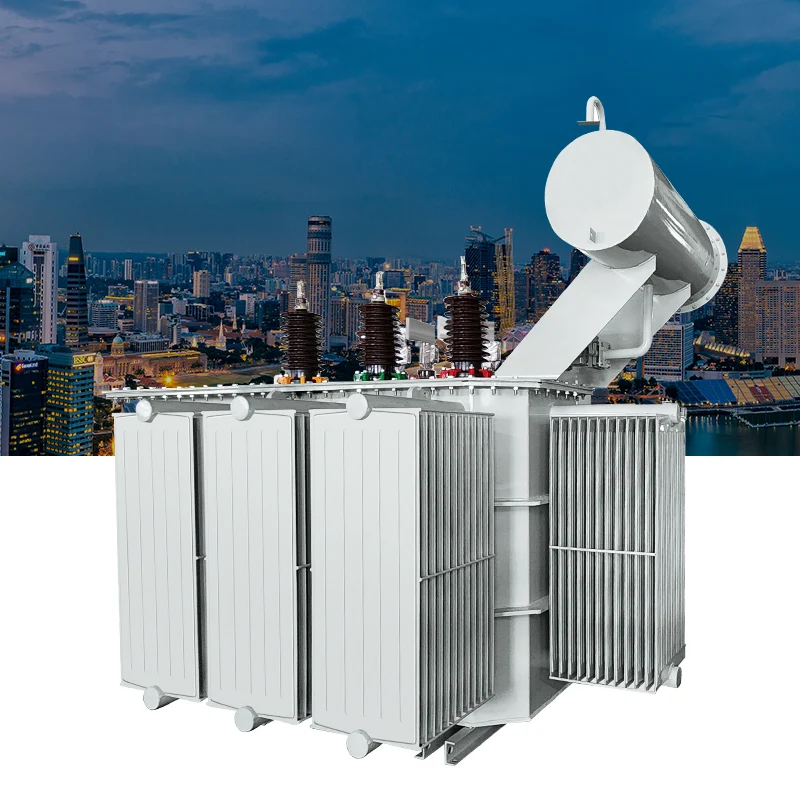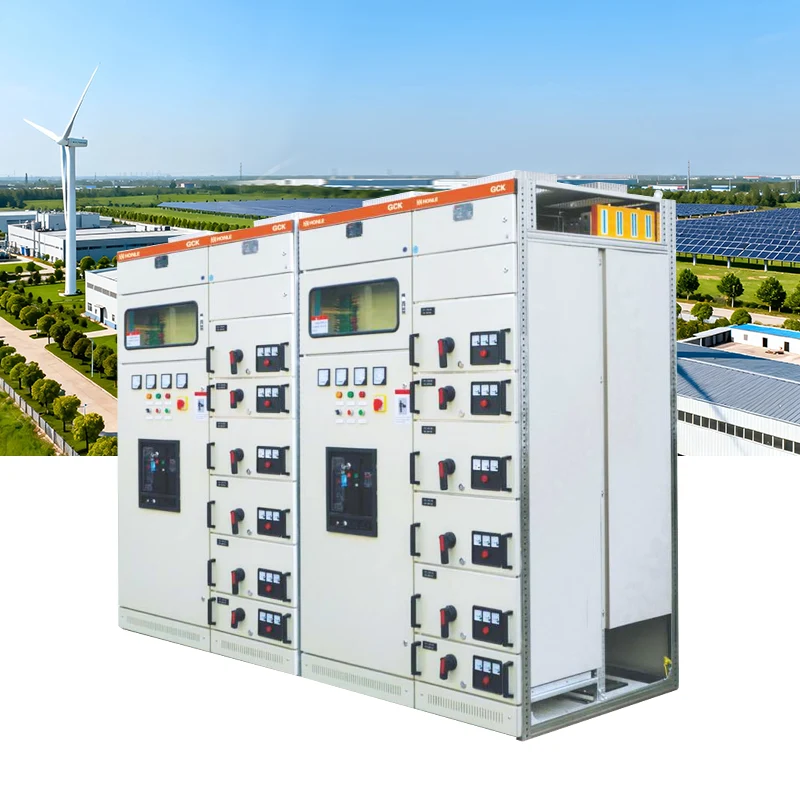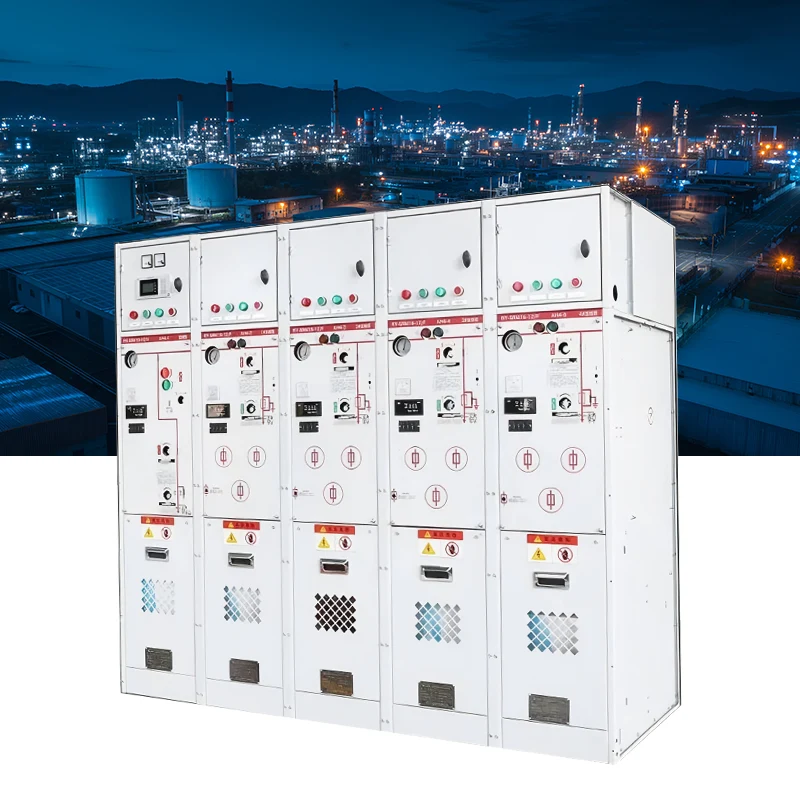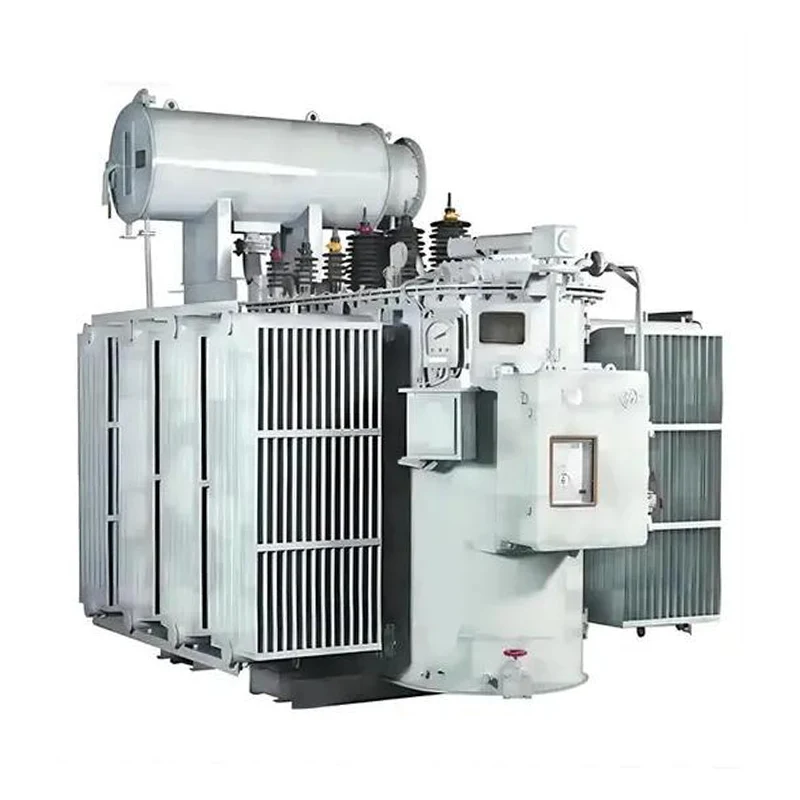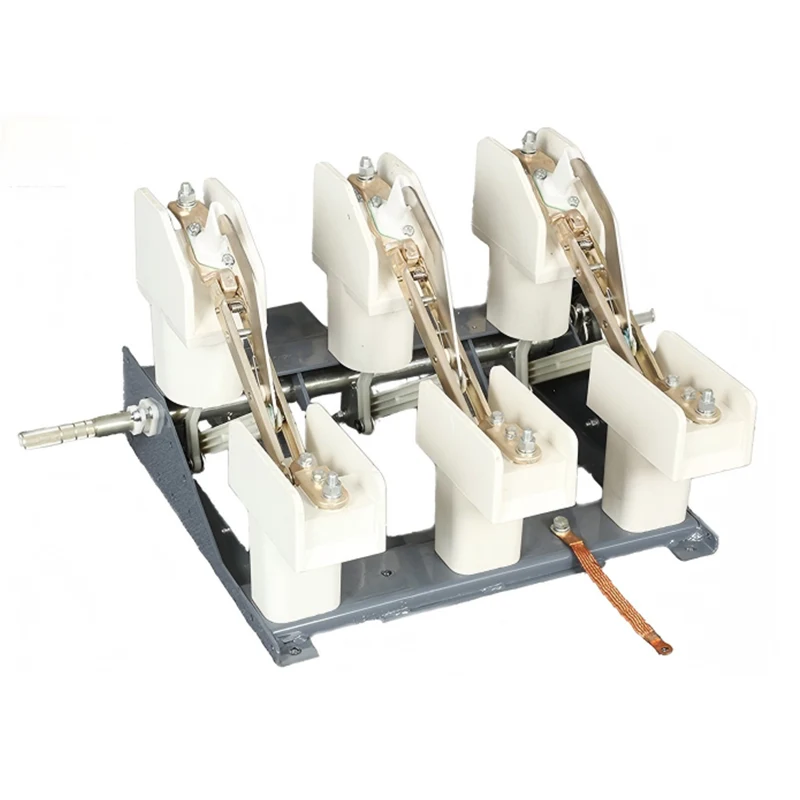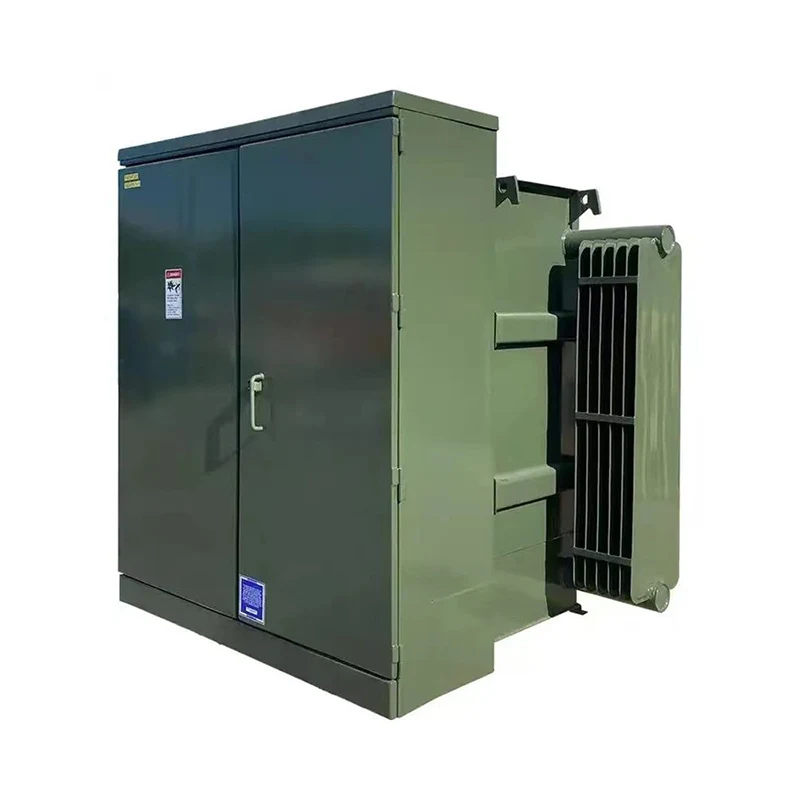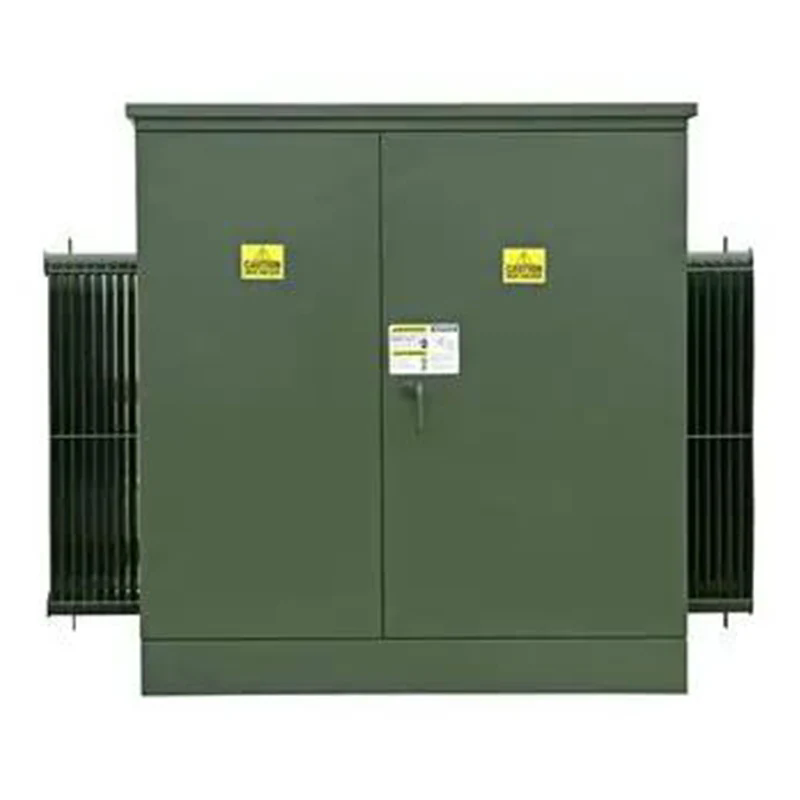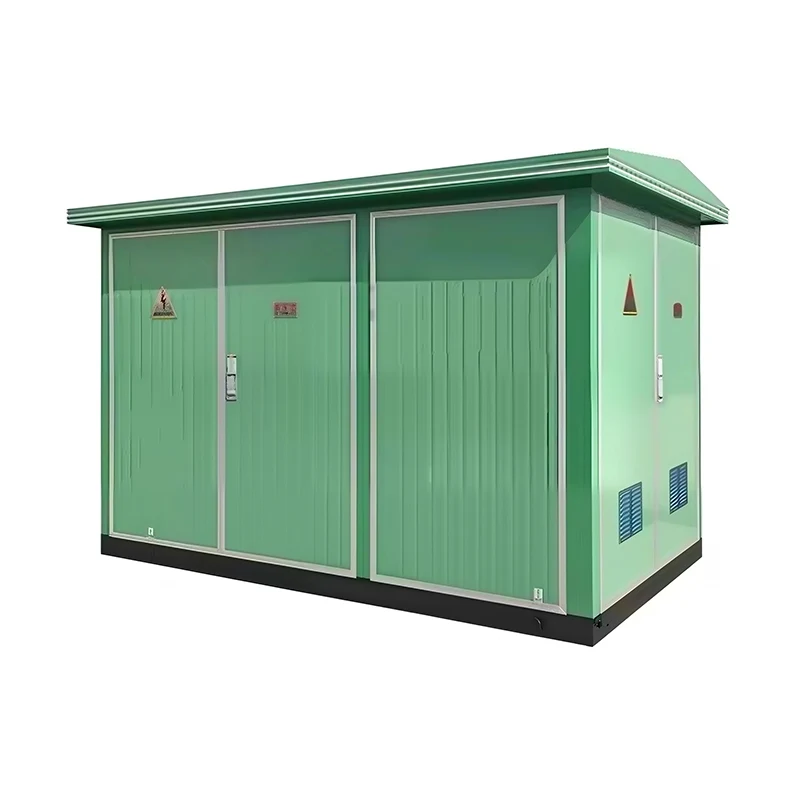
A Dry Type Transformer is an essential power distribution solution designed for environments where safety, reliability, and environmental protection are critical. Unlike traditional oil-filled transformers, dry type transformers use solid insulation materials and air-based cooling methods instead of liquid insulation, reducing fire risks and simplifying maintenance requirements.
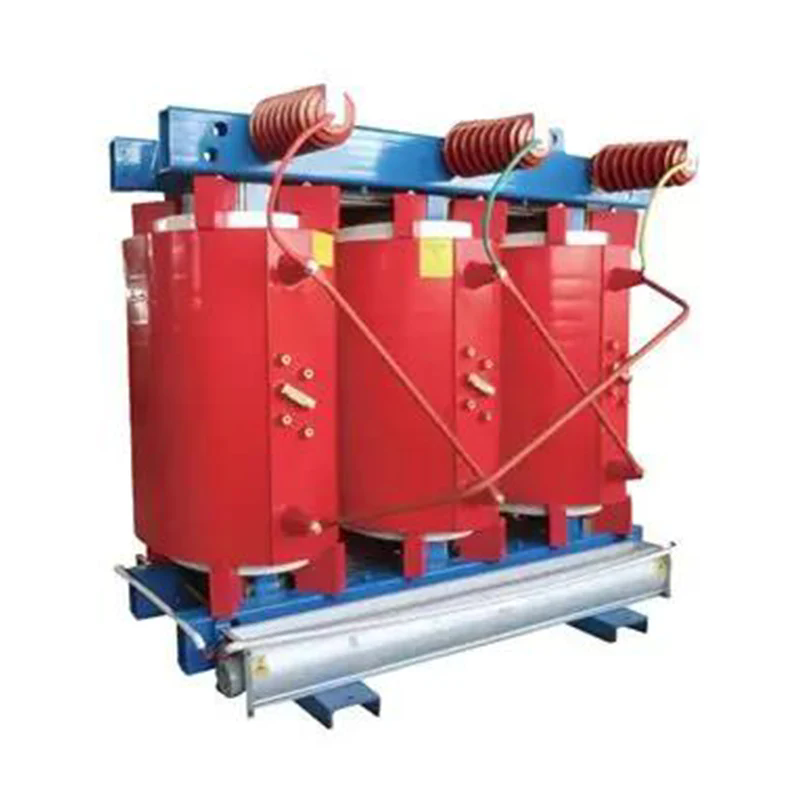
This article explains how dry type transformers work, why industries are increasingly choosing them, and how companies can solve common challenges such as limited installation space, strict safety regulations, high maintenance costs, and demanding operating conditions. With advanced manufacturing experience, JUCEG provides reliable dry type transformer solutions for commercial buildings, industrial facilities, renewable energy projects, and infrastructure applications.
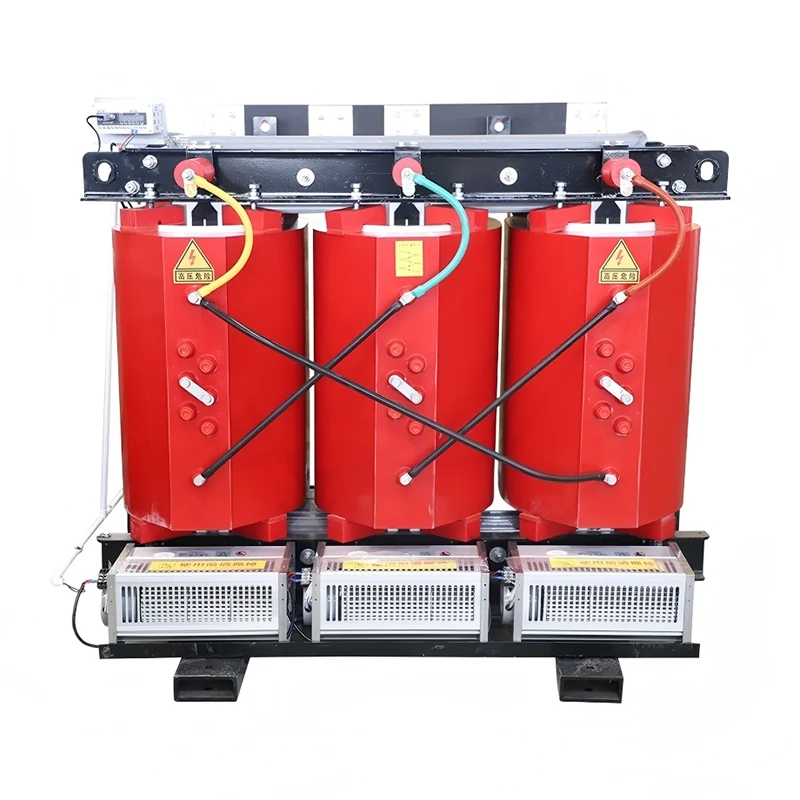
A dry type transformer transfers electrical energy between different voltage levels through electromagnetic induction without using liquid insulation. The transformer consists of primary windings, secondary windings, and a magnetic core. When alternating current flows through the primary winding, it generates a magnetic field inside the core. This magnetic field induces voltage in the secondary winding, allowing electricity to be converted into a suitable voltage level for different applications.
The main difference between a dry type transformer and an oil immersed transformer is the insulation and cooling method. A dry type transformer relies on air circulation and solid insulation materials, such as epoxy resin, to maintain electrical performance and thermal stability. This design eliminates the need for transformer oil, making it suitable for locations where fire prevention and environmental protection are important.
JUCEG develops dry type transformer products using advanced insulation technology and strict manufacturing processes to ensure stable operation under different electrical loads. The design focuses on improving safety, reducing maintenance requirements, and providing dependable power distribution.
Understanding the internal structure of a dry type transformer helps users choose the right equipment and maintain reliable operation. Each component plays an important role in electrical conversion and protection.
| Component | Function | Customer Benefit |
|---|---|---|
| Magnetic Core | Provides a pathway for magnetic flux and improves energy conversion efficiency. | Reduces energy losses and improves operating stability. |
| High Voltage Winding | Receives input voltage and creates electromagnetic induction. | Ensures reliable voltage transformation. |
| Low Voltage Winding | Outputs converted electricity at the required voltage level. | Supports safe power distribution. |
| Epoxy Resin Insulation | Provides electrical insulation and mechanical protection. | Improves moisture resistance and fire safety. |
| Cooling System | Removes heat generated during operation. | Extends service life and prevents overheating. |
Many industries face challenges when selecting power distribution equipment. Traditional transformers may require additional safety measures because of oil leakage risks, maintenance demands, and installation limitations. Dry type transformers provide several advantages that address these concerns.
For modern power systems, reliability and safety are becoming increasingly important. JUCEG dry type transformers are engineered to meet these requirements while supporting stable electricity distribution in various industries.
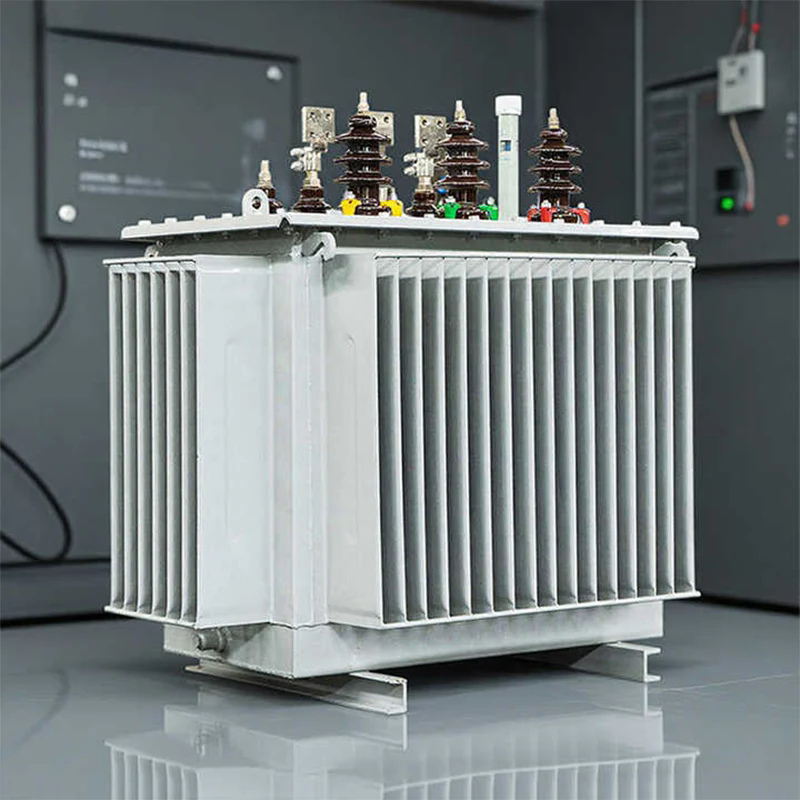
Choosing between a dry type transformer and an oil immersed transformer depends on the installation environment, safety requirements, and operating conditions.
| Feature | Dry Type Transformer | Oil Immersed Transformer |
|---|---|---|
| Cooling Method | Air cooling or forced air cooling | Insulating oil cooling |
| Fire Risk | Lower fire risk | Higher protection requirements due to oil |
| Maintenance | Simple inspection and cleaning | Requires oil testing and management |
| Installation Location | Ideal for indoor and sensitive environments | Commonly used outdoors and utility systems |
| Environmental Impact | No oil leakage concerns | Requires oil containment measures |
Dry type transformers are widely used in areas where safety, reliability, and environmental protection are important. Their flexible design makes them suitable for many industries.
Selecting the correct dry type transformer requires careful consideration of electrical requirements, environmental conditions, and future expansion plans.
| Selection Factor | Important Consideration |
|---|---|
| Rated Capacity | Choose a transformer according to current load demand and possible future increases. |
| Voltage Level | Confirm input and output voltage requirements before purchasing. |
| Installation Environment | Consider temperature, humidity, ventilation, and protection requirements. |
| Cooling Type | Select natural air cooling or forced air cooling based on operating conditions. |
| Safety Requirements | Evaluate fire protection and regulatory requirements. |
Professional guidance from an experienced manufacturer helps prevent incorrect selection, unnecessary costs, and future operational problems. JUCEG provides customized dry type transformer solutions according to different application requirements.
Although dry type transformers require less maintenance than oil-filled alternatives, regular inspections are still important to maintain efficiency and reliability.
Proper maintenance helps extend transformer service life, improves energy efficiency, and reduces unexpected downtime.
A dry type transformer is an electrical transformer that uses air and solid insulation materials instead of liquid insulation oil. It transfers electrical energy through electromagnetic induction while providing safer operation in many indoor environments.
Dry type transformers eliminate the use of flammable insulating oil, reducing fire risks and making them suitable for buildings, hospitals, data centers, and other locations with strict safety requirements.
Yes. With suitable protection designs, dry type transformers can operate in humid environments. Proper enclosure protection and high-quality insulation materials improve resistance against moisture.
The service life depends on operating conditions, loading levels, installation environment, and maintenance quality. Properly designed and maintained units can provide reliable operation for many years.
JUCEG focuses on providing dependable transformer solutions with advanced manufacturing technology, strict quality control, and customized designs for different industrial and commercial applications.
Dry type transformers provide a safer, cleaner, and more reliable solution for modern electrical distribution systems. Their oil-free design, reduced maintenance requirements, and strong environmental adaptability make them an excellent choice for many demanding applications.
With professional engineering capabilities and practical industry experience, JUCEG delivers high-quality dry type transformer solutions designed to meet different power requirements. Whether you need a transformer for commercial buildings, industrial facilities, renewable energy projects, or infrastructure applications, JUCEG can provide reliable support.
For customized dry type transformer solutions, professional technical assistance, and competitive product options, please contact us today and let JUCEG help you build a safer and more efficient power distribution system.