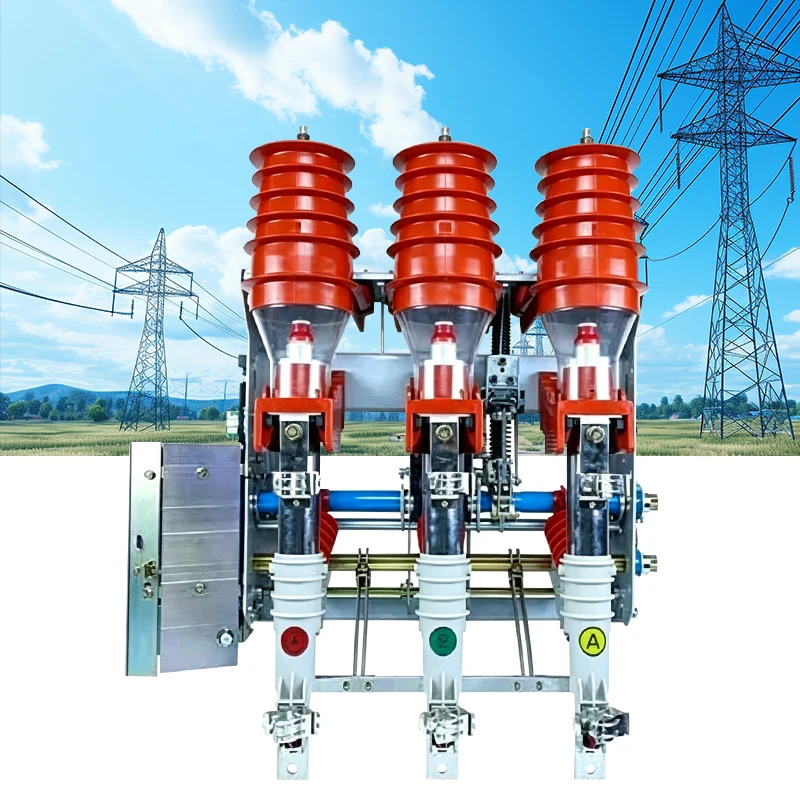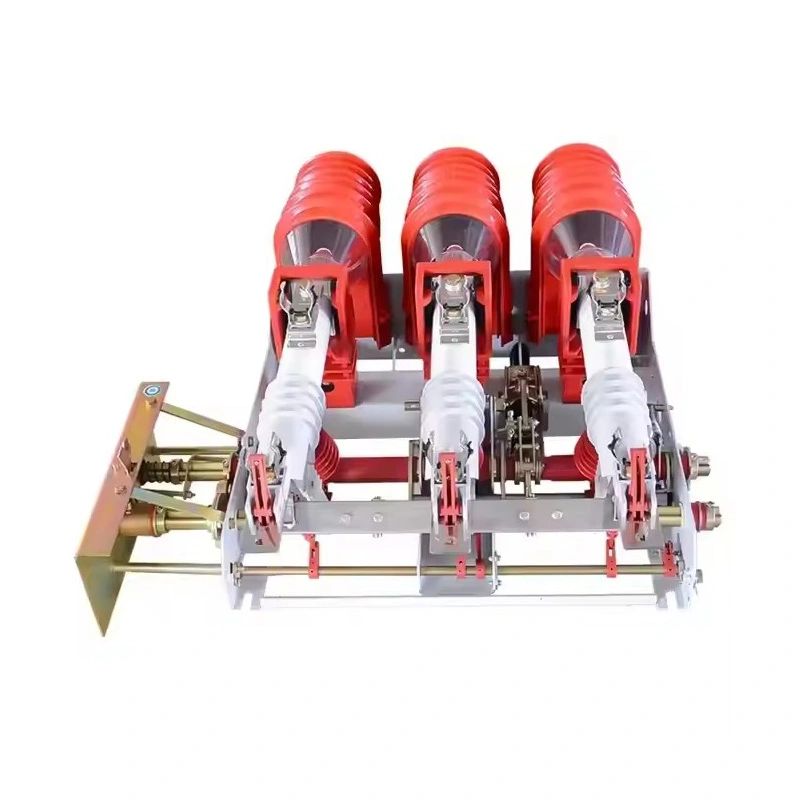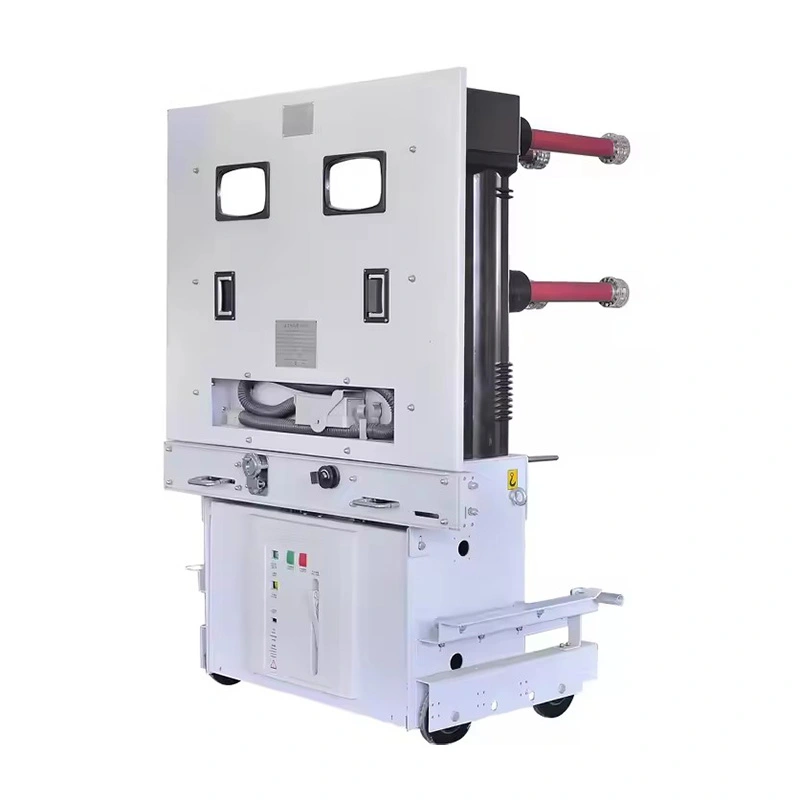
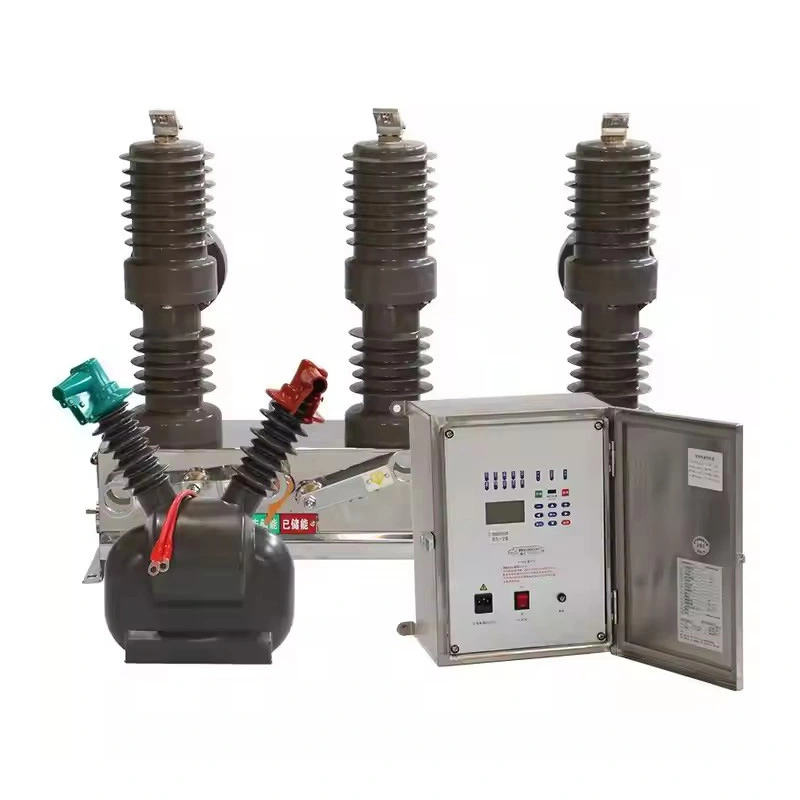
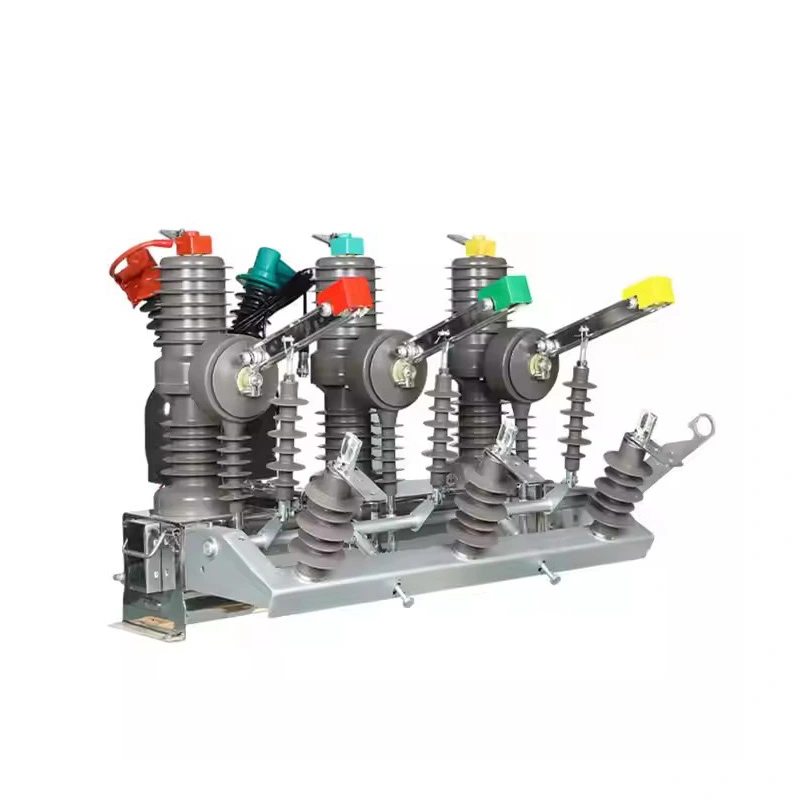
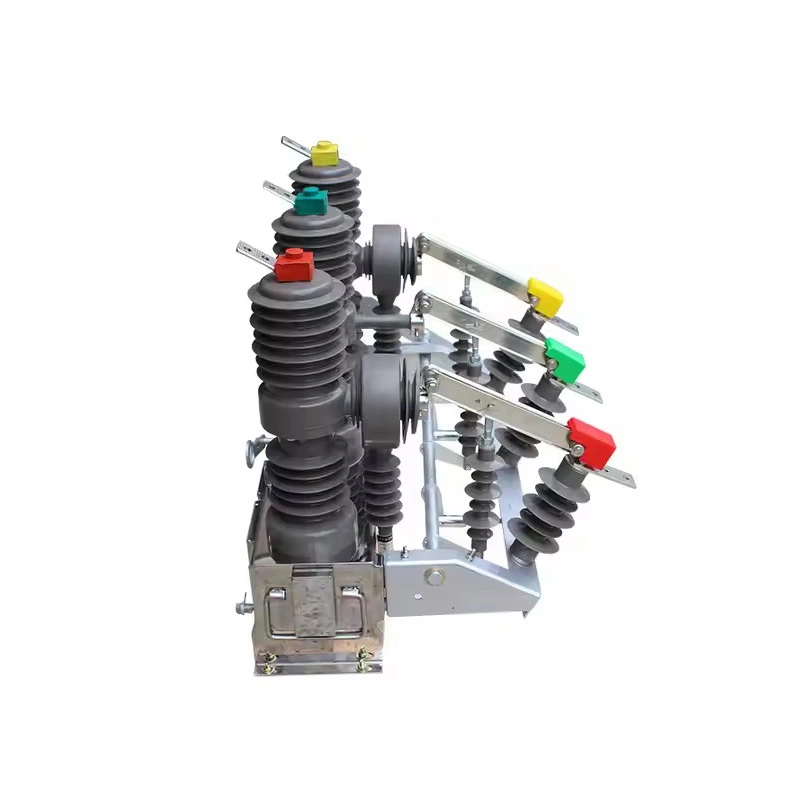
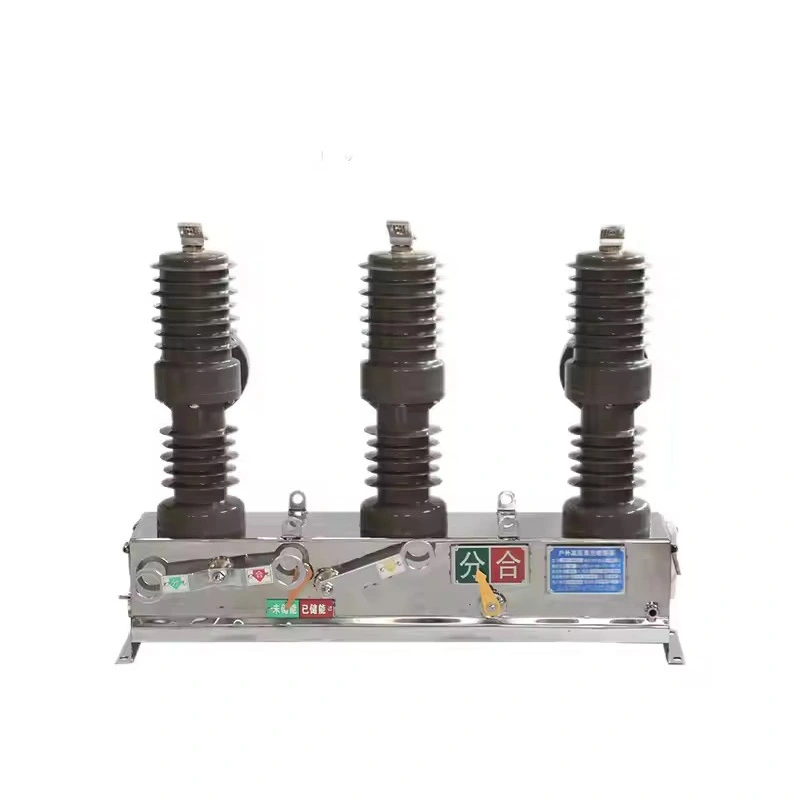
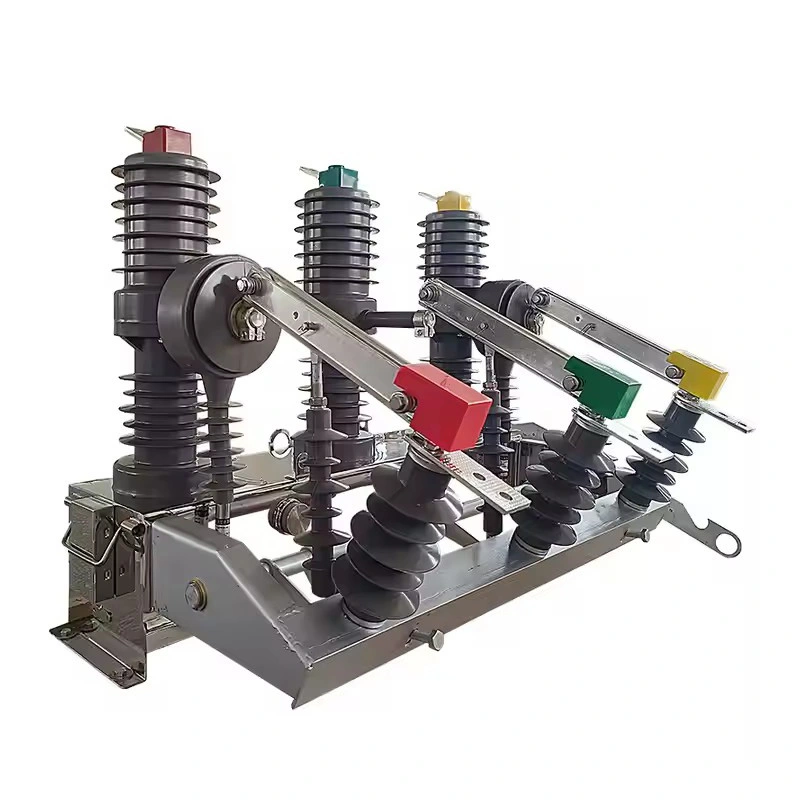
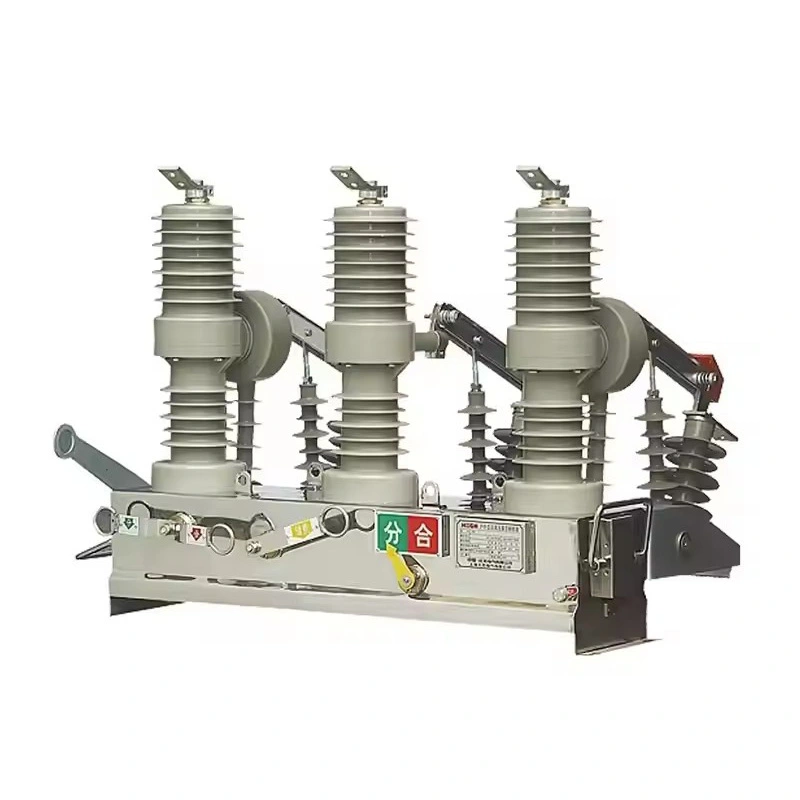
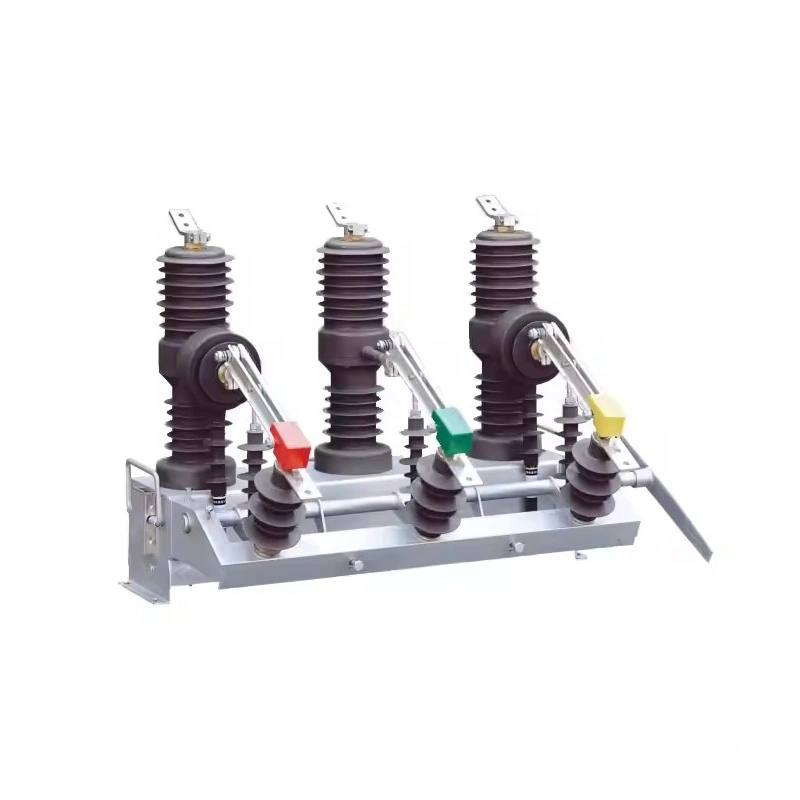
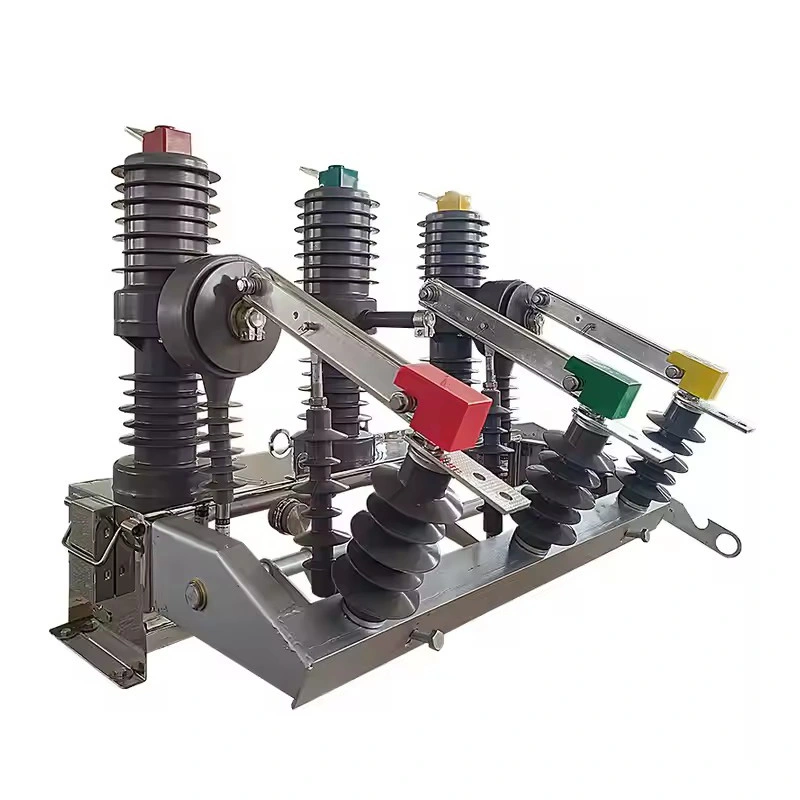
Based on extensive engineering practice accumulated from numerous outdoor pole and tower projects, the standard applicable environment for ZW32-12/T630-25 standardized pole-mounted circuit breakers has clearly defined boundary conditions. The equipment can withstand a wide ambient temperature range of -50℃ to +70℃, can tolerate solar radiation up to 1000W/m², the standard configuration is suitable for operating sites at altitudes not exceeding 1000 meters, can withstand outdoor wind speeds of up to 34m/s, allows a maximum icing thickness of 10mm, and the seismic intensity at the installation location must not exceed magnitude 8. These parameters are the baseline conditions for ensuring the long-term stable operation of the equipment.
Outdoor pole and tower site conditions are highly variable. If the actual deployment location encounters special circumstances such as altitudes exceeding 1000 meters, coastal areas with strong salt spray, heavy sandstorms, or ice thickness exceeding standard values, it is not recommended to directly use the standard configuration model. The project owner needs to provide complete site environmental parameters for our technical team to conduct an assessment. Targeted adjustments will be made to the insulation level, sealing protection, power supply module, and terminal hardware and software parameters to mitigate the risk of early equipment failure due to extreme outdoor conditions. This equipment is widely used at overhead line sectionalizing switches, tie switches, and user boundary switches, and is extensively deployed in rural power grid upgrades, urban distribution network automation, and distributed photovoltaic overhead transmission lines. For projects with limited maintenance personnel who wish to reduce on-site high-altitude commissioning work, the integrated solution offers significant benefits.
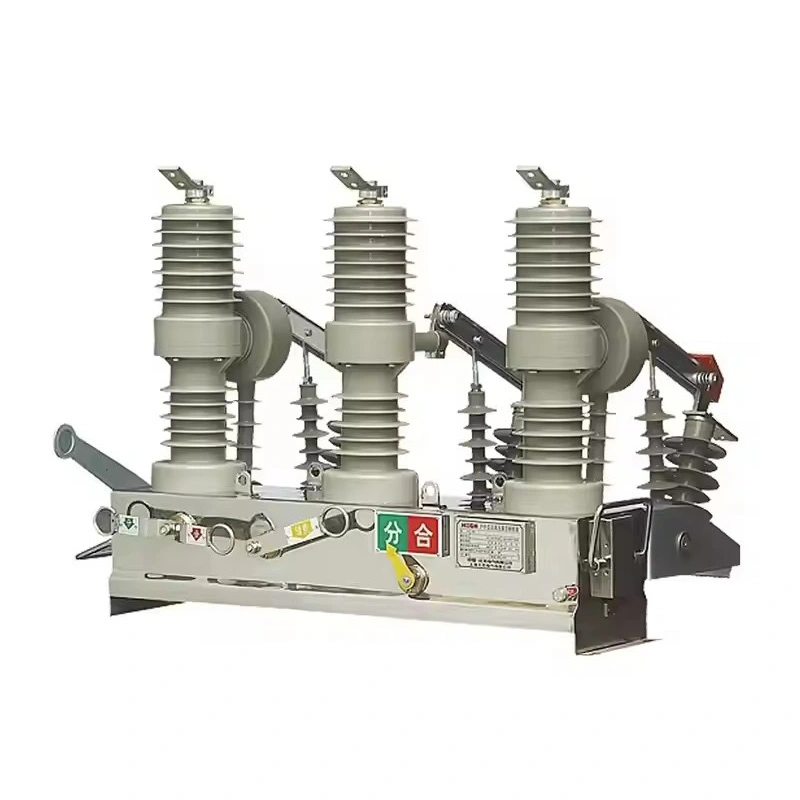
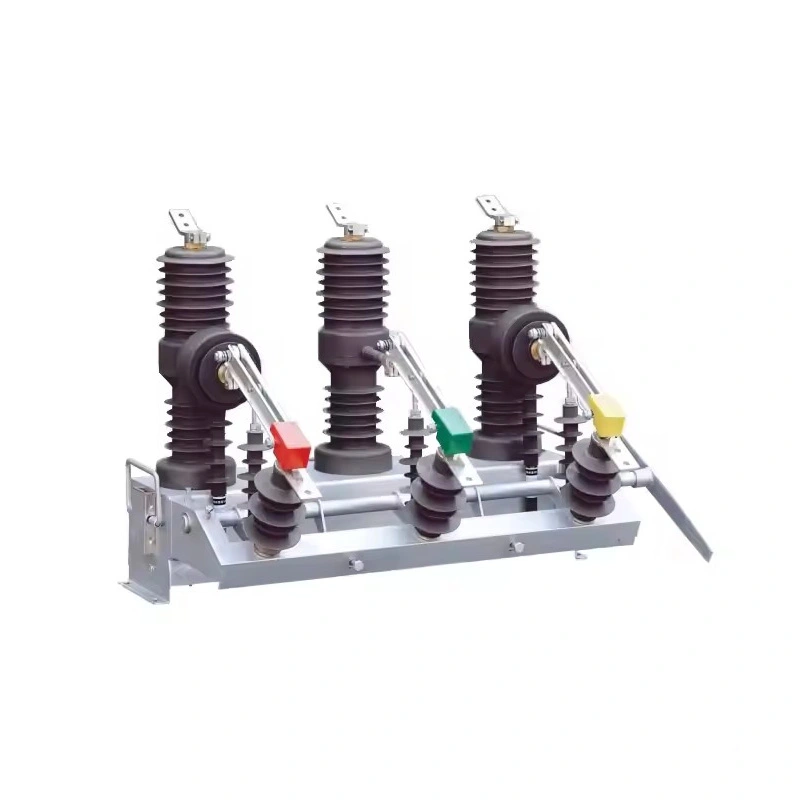
By deeply integrating electronic sensors and sealing the entire unit, interference from outdoor rain, condensation, and dust on the sensing and sampling circuits is minimized. The sensor sampling and control terminal are calibrated and integrated at the factory, significantly reducing wiring and debugging workload at high-altitude poles. This also effectively reduces common engineering faults such as sampling distortion and protection malfunctions caused by incorrect wiring, terminal oxidation, or poor contact. Built-in edge computing capabilities enable the switchgear to perform on-site fault analysis. In case of short circuits or grounding faults, the device can perform logical judgments locally and quickly execute isolation operations, without being entirely dependent on the availability of backend communication links. Even with a brief interruption of the wireless network, basic line protection functions can still be achieved, reducing the impact of power outages.
The intelligent terminal on the device supports multiple IoT communication modes. Projects can flexibly select appropriate communication solutions based on on-site communication infrastructure conditions, without being forced to rely on a single communication link. Whether it's building new automated overhead lines or intelligently upgrading existing lines, it can adapt to the overall architecture of the existing power distribution network. The entire product line strictly adheres to relevant national standards for high-voltage switchgear. The company holds ISO9001 quality management, ISO14001 environmental management, and occupational health and safety management system certifications. The equipment has undergone complete type testing, and a full set of technical documentation, including type test reports, installation dimension drawings, communication protocol documents, and wiring manuals, can be provided to the purchaser. This documentation is available for design institutes and general contractors for project review, bid preparation, and on-site installation and commissioning guidance.
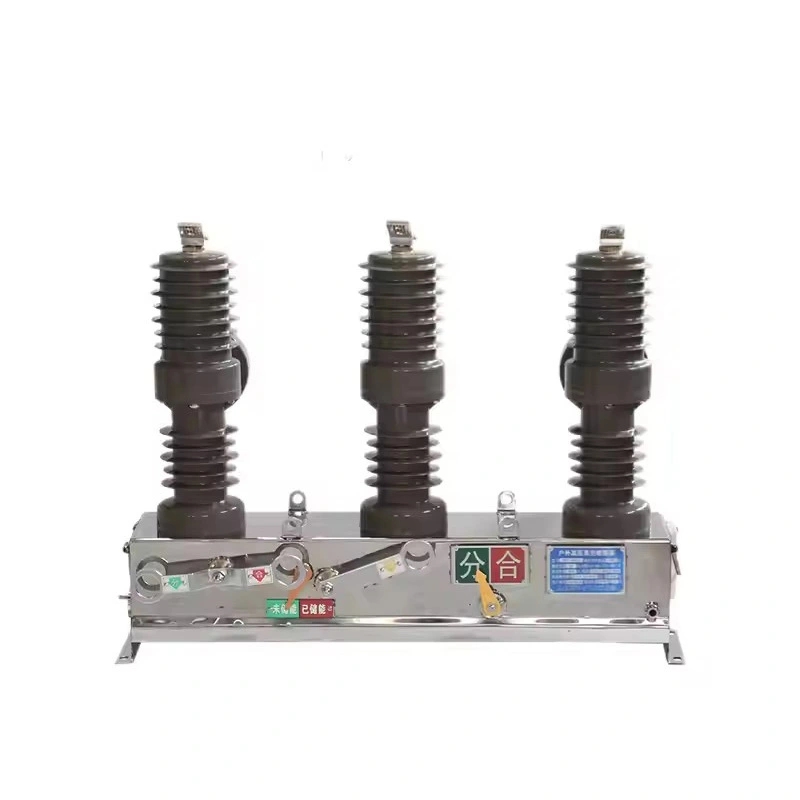
A: Yes, after technical coordination, a non-confidential version of the type test report and the company's system qualification documents can be provided.
A: They are not directly interchangeable. The integrated primary and secondary switch model includes the main unit, built-in sensors, and a matching smart terminal. The mounting bracket, power supply method, and secondary communication interface differ from traditional discrete switches. It is necessary to verify the pole/tower installation space, power supply conditions, and backend master station communication protocol. We can provide a complete set of drawings for preliminary solution verification.
A: The standard model is applicable to altitudes up to 1000 meters. For high-altitude sites, customized insulation derating is required. Please provide environmental parameters such as project altitude, temperature, icing, and salt spray conditions for technical evaluation and customized solutions.
A: Yes, it does. We can provide terminal communication protocol documentation. The project owner needs to confirm that the backend system is compatible with the corresponding protocol. Some scenarios may require minor protocol adaptation and debugging.
To obtain complete technical specifications and installation drawings for the primary and secondary integrated standardized pole-mounted circuit breaker, or to conduct project condition selection and evaluation, please submit an inquiry form. Within 24 hours, a power equipment technical engineer will provide targeted solutions and suggestions based on your project's actual conditions.
Address
1-3/F, Building C, No. 288 Weiqi Road, Yueqing Economic Development Zone, Yueqing, Wenzhou, Zhejiang Province, China
Tel